

As the United States prepares to mark the 250th anniversary of its founding in 2026, planners across the country are anticipating increased travel tied to the milestone, often referred to as USA 250. Communities near major national parks are among those assessing potential impacts, as peak-season lodging in many gateway markets is already constrained.
National Park Service data in recent years show visitation rebounding strongly after pandemic-era declines, with several high-profile parks exceeding pre-2020 attendance levels.
Parks including Yellowstone National Park, Zion National Park, Yosemite National Park, Grand Canyon National Park, and Great Smoky Mountains National Park collectively draw tens of millions of visitors each year.
In many surrounding communities, hotel rooms and short-term rentals are booked months in advance during spring and summer, leaving limited flexibility to absorb additional demand tied to national events in 2026.
With less than a year before anniversary programming intensifies, some landowners and developers are evaluating alternatives to conventional hotel construction, which can require multi-year timelines due to zoning approvals, environmental reviews, infrastructure upgrades, and financing. In areas near protected lands, geographic constraints and conservation requirements further complicate large-scale development.
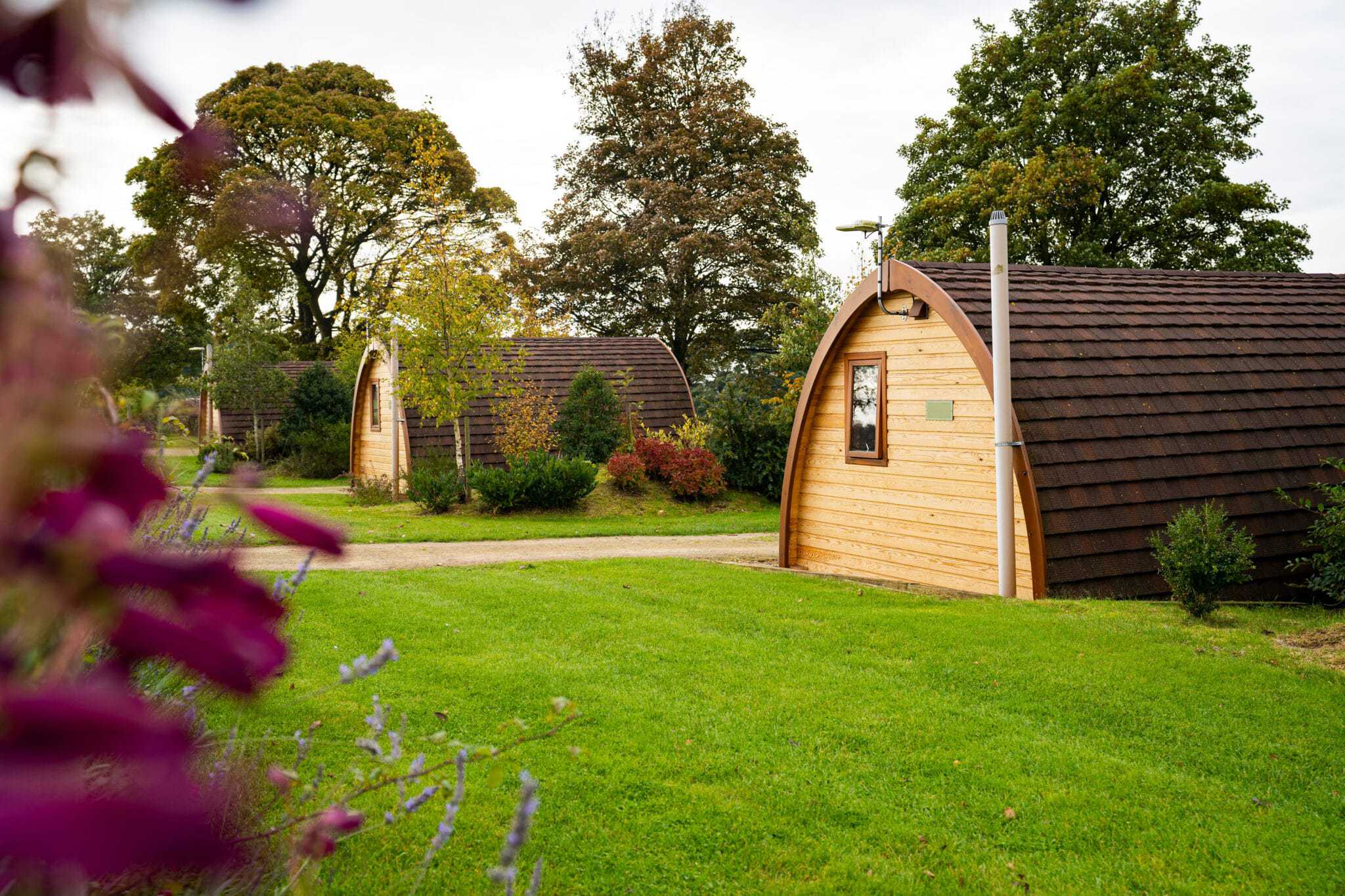
Modular dome structures are one option gaining attention in this context, according to a press release. Luna Glamping, a supplier of dome and tent structures based in Santa Rosa, California, reports increased interest from property owners exploring fast-deploy lodging models ahead of 2026.
Prefabricated dome components can be manufactured off-site and assembled on prepared land within weeks, depending on site readiness and local approvals.
In some jurisdictions, dome installations may qualify as temporary or semi-permanent structures, potentially streamlining permitting compared to permanent hotel builds.
However, regulatory treatment varies widely by state and county, and early coordination with planning departments remains necessary. Foundation type, intended duration of use, and occupancy levels can all influence classification.
Environmental considerations are also part of the evaluation process. Dome structures generally require smaller building footprints and lighter foundations than traditional hotels, which can reduce grading and site disturbance.
For operators near sensitive ecosystems, this may align with community expectations around land stewardship.
At the same time, infrastructure remains a critical factor. Access to power, water, wastewater systems, and road connectivity can determine whether rapid deployment is feasible. In remote areas, developers may need to incorporate off-grid or hybrid utility systems, which require additional planning and capital.
For outdoor hospitality professionals, the current planning window presents both opportunity and risk. The USA 250 anniversary in 2026 is expected to drive travel across multiple regions, not only to national parks but also to historic corridors, waterfronts, and event-hosting communities.
Operators with available land near high-traffic destinations may be positioned to test phased, modular expansion strategies that limit upfront exposure while capturing seasonal demand. Conversely, those considering permanent construction may face timelines that extend beyond the anniversary year.
Industry observers note that modular domes are increasingly viewed less as novelty accommodations and more as adaptable infrastructure assets. In addition to guest lodging, they can serve as event venues, dining areas, wellness spaces, or visitor centers, allowing operators to diversify revenue streams during high-demand periods.
As 2026 approaches, decisions made in the coming months may determine whether properties can operationalize additional capacity in time to participate in anniversary-driven travel flows.
Luna Glamping states that it provides customizable dome and tent structures designed for commercial and private use, supporting landowners and businesses seeking flexible building alternatives for lodging and events.
