
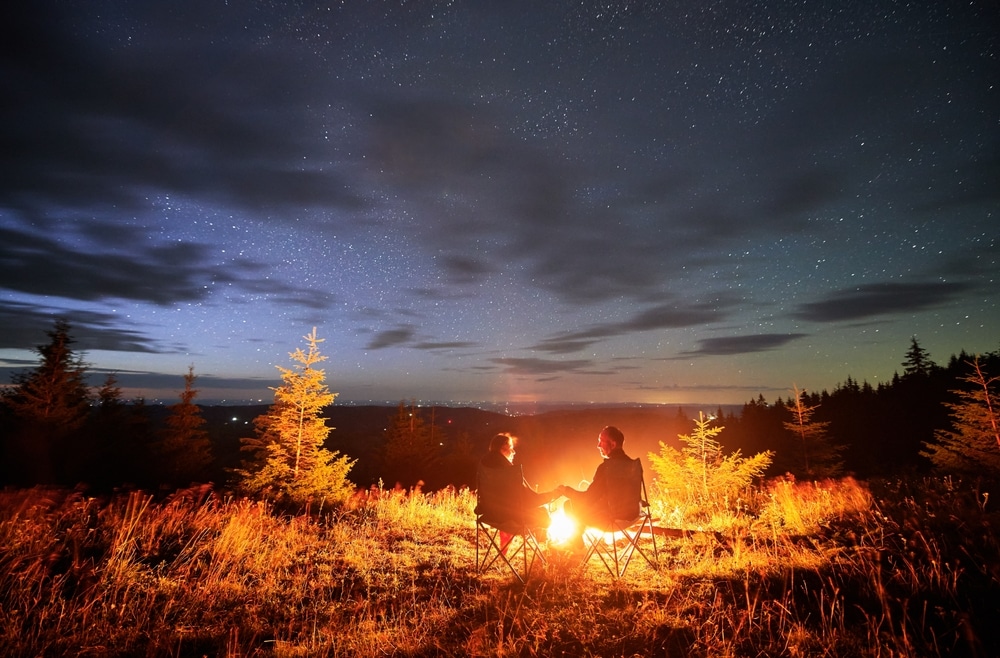

The New Forest National Park has been ranked the United Kingdom’s top national park for stargazing, according to an analysis by AA Car Insurance that assessed light pollution, rainfall, cloud cover, and air quality across the country’s national parks.
The research comes as interest in stargazing grows ahead of the longer nights of autumn and winter. Google Trends data cited by AA Car Insurance shows that searches for “stargazing locations near me” increased by 100% over the past year, while searches for “go stargazing” and “stargazing UK” rose by 50% and 30%, respectively.
The analysis evaluated each national park using factors that influence the likelihood of favorable night-sky viewing conditions. The New Forest National Park in southern England ranked first with a score of 86.51 out of 100, benefiting from a combination of lower light pollution, fewer rainy days, reduced cloud cover, and favorable air quality.
The South Downs National Park placed second with 84.96 points, followed by the Broads in third with 84.81. The results put southern England among the strongest-performing regions in the study, with two of the top three parks located there.
For outdoor hospitality businesses, the findings offer an indication of how natural attractions and nighttime experiences could support destination marketing outside traditional daytime activities. Campgrounds, RV parks, and glamping resorts near suitable viewing locations could consider promoting stargazing as a seasonal guest experience, particularly during autumn and winter when longer periods of darkness provide more opportunities to observe the night sky.
Such offerings do not necessarily require specialized equipment or major infrastructure investments. Operators could provide information about nearby viewing locations, identify areas on their properties with limited artificial lighting, or organize informal stargazing sessions when weather conditions allow. Businesses considering these activities would also need to account for guest safety, access to viewing areas, parking, and the potential effects of outdoor lighting on nighttime visibility.
Wales also featured in the rankings, with Pembrokeshire Coast National Park placing seventh with 68.41 points and Bannau Brycheiniog National Park taking 10th place with 43.20. Eryri ranked 12th with 33.41 points.
England accounted for eight of the top 10 positions, according to Nation.Cymru. Dartmoor National Park ranked fourth with 73.42 points, followed by North York Moors National Park in fifth with 72.71 and Exmoor National Park in sixth with 69.58. Northumberland National Park placed eighth with 52.79, while the Peak District National Park ranked ninth with 51.18.
Despite Scotland’s reputation for dark-sky destinations, its two national parks ranked lower in this particular analysis. The Cairngorms National Park placed 11th with 33.77 points, while Loch Lomond and The Trossachs National Park ranked 15th with 15.16. The study attributed the lower rankings to the combined effects of factors including rainfall and cloud cover, which can reduce the likelihood of clear viewing conditions.
Jack Cousens of AA Car Insurance said, “More people may be tempted to set off on a road trip to enjoy Britain’s darker evenings. Our research shows that you don’t necessarily have to travel to the most remote parts of the country to experience an impressive night sky.
“There are fantastic stargazing spots across England, Wales and Scotland, making a night under the stars an accessible adventure for many”.
The research also highlights practical considerations for businesses and visitors traveling to rural destinations after dark. Reaching suitable stargazing locations may involve narrow, unfamiliar, and poorly lit roads, while reduced visibility and active wildlife can create additional driving risks.
Cousens said, “As the nights draw in, autumn brings a different rhythm to the roads, with more journeys taking place in the dark and changing weather conditions to contend with. Reaching some of the best viewing locations can mean driving on rural roads that are unfamiliar, narrow and poorly lit.
“For anyone heading out to enjoy the night sky, it’s worth making sure the journey is part of the plan too – and you’re comfortable driving home when visibility is reduced.
“Before setting off, drivers should:
- tell a friend or family member where they are going,
- check the weather and road conditions,
- pack essentials for keeping warm,
- plan their route
- make sure they have a safe and legal place to park.
“Allowing extra time, reducing speed and staying alert can make a significant difference, particularly on roads where visibility is limited and wildlife may be active.
“A little preparation can help drivers enjoy the night sky safely, while reducing the risk of an unexpected incident on the journey home.”
For campground and glamping operators, the rankings provide a potential starting point for evaluating stargazing as part of their guest experience and promotional strategy. However, the national park scores should not be treated as a guarantee of viewing conditions at individual properties. Local light levels, weather, seasonal cloud cover, and the availability of safe viewing areas will determine whether a stargazing experience meets guest expectations.
With autumn bringing longer nights and the opportunity to observe constellations and meteor showers, operators in suitable locations may be able to use nighttime activities to broaden their seasonal offerings. Clear communication about conditions, access, and safety will be important in turning that potential into a practical guest amenity.
