
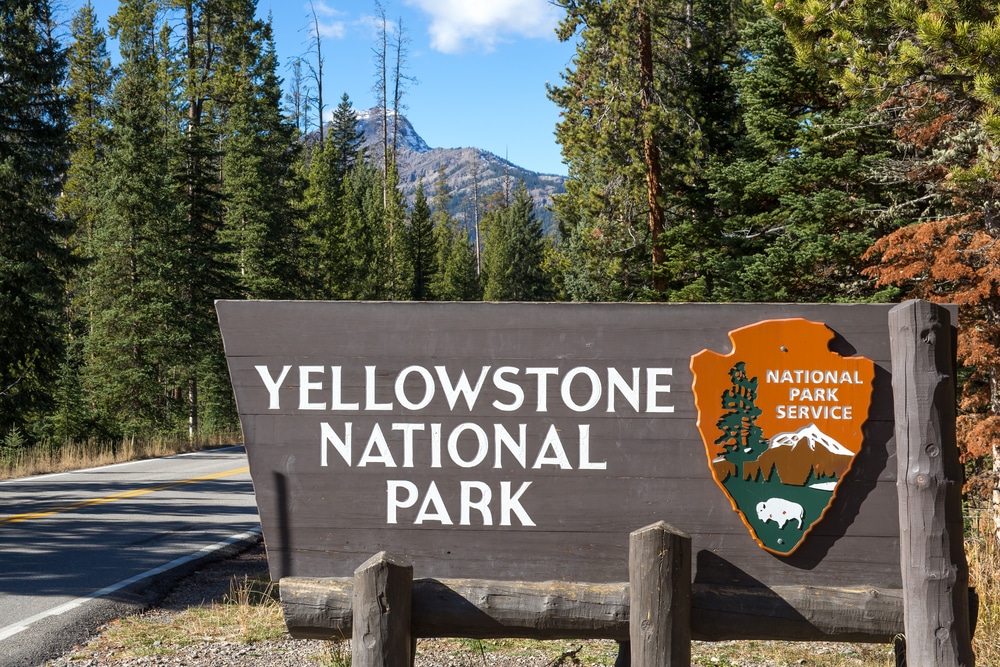

Yellowstone National Park is set to receive a $105 million private donation from energy infrastructure company Tallgrass to support conservation research, visitor infrastructure, and educational access, following an announcement on October 19, 2026. The contribution is expected to establish a permanent Conservation and Stewardship Fund, making it the largest single private donation in the history of the U.S. National Park Service.
The initiative brings together the National Park Service, Yellowstone Forever, the park’s official nonprofit partner, and Tallgrass, a portfolio company of Blackstone Infrastructure. The funding will be divided among three priorities: conservation and scientific research, a new visitor education center at Norris Geyser Basin, and programs designed to help more Wyoming students and families experience the park.
The planned allocation includes $50 million for conservation and research, $35 million for a new visitor education center, and $20 million for expanding educational and recreational access. Rather than focusing exclusively on a single development project, the fund is intended to provide sustained financial support for Yellowstone’s long-term stewardship.
The $50 million conservation allocation will support scientific programs and research into the park’s natural resources, according to The Times of India. Yellowstone encompasses geothermal features, forests, rivers, and habitats for wildlife such as bison, elk, wolves, and grizzly bears. Continued research helps park managers understand changes in ecosystems, monitor wildlife populations, and inform conservation decisions.
Establishing a permanent source of private funding could help sustain these activities over time. For outdoor recreation businesses, the initiative also illustrates how conservation investment can support the natural resources that attract visitors to destinations. Maintaining ecosystems and protecting wildlife habitats can contribute to the long-term appeal of areas where tourism, camping, and other outdoor activities play an economic role.
Another $35 million will fund a new visitor education center at Norris Geyser Basin, an area known for its geysers, hot springs, and other hydrothermal features. The center is intended to expand educational opportunities and improve the experience of visitors exploring the area.
The project represents a direct investment in visitor infrastructure, although details about the center’s construction schedule, opening date, and planned facilities were not provided in the announcement. For campground owners, RV park operators, and other outdoor hospitality businesses, the development highlights the role that interpretive facilities and educational programming can play in a destination’s visitor experience. Improvements at major attractions can also influence how visitors plan their trips and distribute their time across a region, although any resulting effects on nearby businesses will depend on visitor behavior and local travel patterns.
The remaining $20 million will establish a long-term funding pool to expand access to Yellowstone for students and community members in Wyoming. The effort will include the Tallgrass WYld Yellowstone Initiative, which is intended to help more young people and families participate in educational and visitor experiences at the park.
The program aims to give students opportunities to learn about geology, wildlife, ecosystems, and conservation outside the classroom while building connections with the natural environment. Its continuing funding structure is intended to support access beyond a single round of visits, although specific participation targets and implementation timelines were not detailed in the source announcement.
Tallgrass, which has operated in Wyoming for more than a decade, is contributing the funds as part of its connection to the state. Its parent portfolio relationship with Blackstone Infrastructure links the donation to the investment firm’s infrastructure business. Yellowstone Forever will work with the company and the National Park Service to support the initiative.
The arrangement also establishes a distinction between private financial support and public management authority. The National Park Service will retain control over decisions concerning Yellowstone’s operations and management. Projects funded through the initiative must comply with applicable laws, agency policies, and park priorities. The donation is therefore intended to supplement the park’s existing stewardship responsibilities rather than replace public oversight.
Established in 1872, Yellowstone covers approximately 2.2 million acres across Wyoming, Montana, and Idaho. Its combination of geothermal landscapes, wildlife, and outdoor recreation opportunities has made it a major destination for visitors from across the United States and internationally.
For outdoor hospitality operators, the donation offers an example of how private investment can support the conservation, infrastructure, and educational resources that underpin nature-based tourism. However, the announcement does not establish a direct funding program for private campgrounds or RV parks, nor does it specify changes to access policies or visitor capacity. The clearest potential relevance for businesses is the long-term protection of a major tourism destination and the development of visitor education facilities that may shape how people experience the park.
The fund’s longer-term impact will depend on how its programs are implemented, how conservation priorities are addressed, and whether the planned visitor and educational investments translate into measurable benefits for Yellowstone and the surrounding communities.
