


Florida’s state park system now encompasses 176 properties following the official opening of Shoal River Headwaters State Park, a 2,480-acre conservation area in Walton County that currently offers no overnight accommodations. The Florida Department of Environmental Protection celebrated the milestone with a guided tour on Jan. 23, 2026, creating an immediate opportunity for private campground and RV park operators in the region to position themselves as basecamps for visitors exploring the new preserve located just west of DeFuniak Springs off Interstate 10.
The park welcomes visitors daily from 8 a.m. until sunset for passive recreational activities including hiking, walking, nature photography and wildlife viewing. Modest entrance fees consistent with other Florida state parks are in place, and the current management approach prioritizes minimal environmental impact during this initial operational phase. With no camping facilities available at the state property, visitors seeking extended stays must look elsewhere for overnight lodging.
This absence of on-site accommodations presents a clear business window for outdoor hospitality operators in the surrounding area. The park’s proximity to Interstate 10, a major east-west RV travel corridor through the Florida Panhandle, positions nearby campgrounds and RV parks to capture traffic from travelers already using this route. Operators who update their website content and promotional materials to highlight their proximity to the newly opened park can capture search traffic from trip planners researching the area.
The Florida Park Service is developing long-term management plans that may eventually introduce expanded opportunities including camping, biking and paddling access along the river. This phased approach means private operators have a defined timeline to establish themselves as the primary overnight destination for Shoal River visitors before state camping facilities potentially come online. Phased infrastructure investments, starting with basic site additions before committing to major capital improvements, allow operators to gauge actual demand before overextending resources.
Building informal relationships with state park staff can lead to referral opportunities when park visitors inquire about overnight accommodations. Operators should consider offering amenities the state park lacks, such as full hookup sites, hot showers, laundry facilities and camp stores, positioning their properties as complementary rather than competitive with the public land. Providing guests with curated trail maps and guides to Shoal River Headwaters attractions encourages longer stays and enhances the overall guest experience.
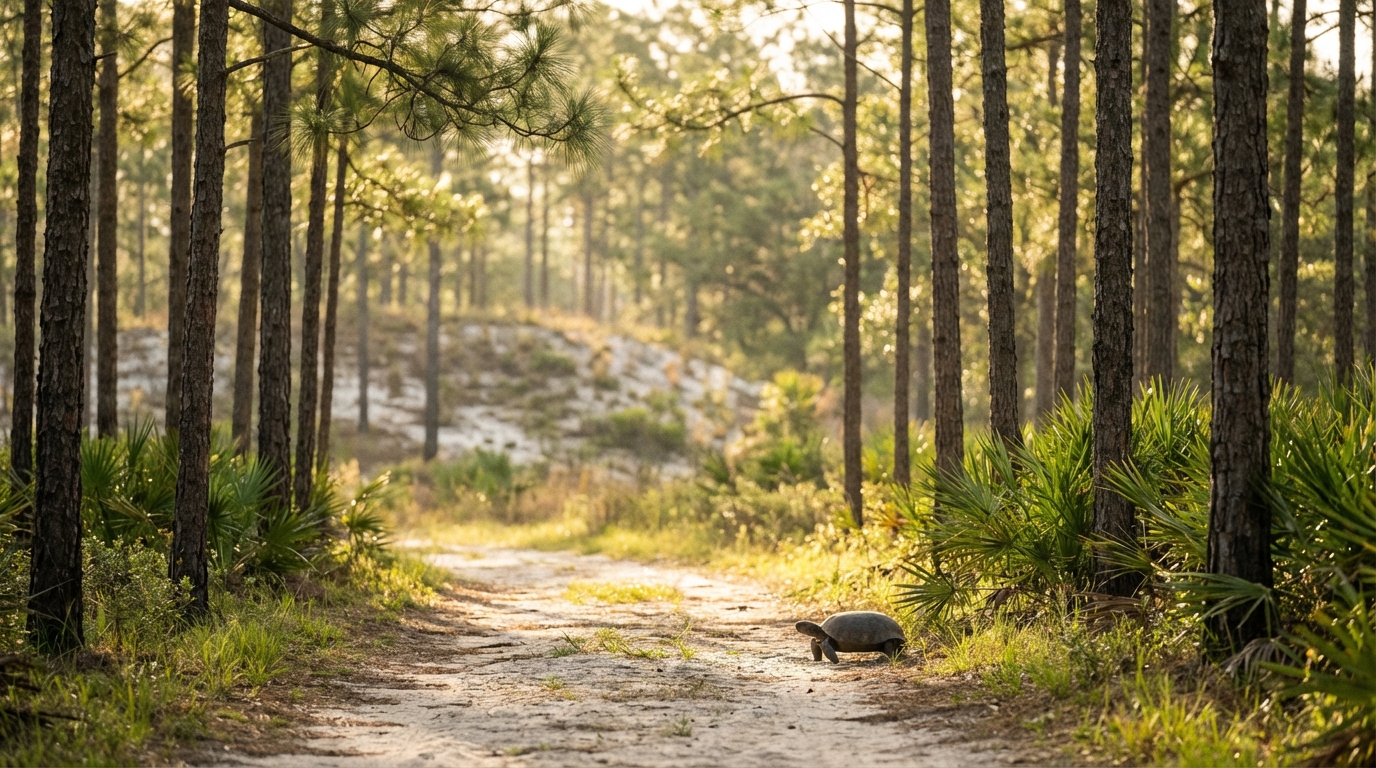
The ecological significance of the new park extends well beyond its recreational value. The protected land encompasses the headwaters of the Shoal River and Gum Creek, safeguarding water resources that feed into the broader Choctawhatchee River Basin. The diverse terrain of rolling sandy hills, mesic flatwoods and floodplain forests supports Florida black bears, wild turkeys and deer, along with imperiled species including the gopher tortoise and eastern indigo snake. The park maintains vital wildlife corridors and protects recharge areas for the region’s aquifer, ensuring sustainable water supply for surrounding communities.
This conservation mission creates alignment opportunities for private operators who demonstrate genuine environmental stewardship. Properties in the area may host the same species the park protects, and operators who implement wildlife-friendly practices can authentically market their contribution to regional conservation goals. Leaving natural corridors through properties for wildlife movement becomes both an ecological benefit and a marketing asset for nature-focused guests increasingly drawn to environmentally responsible businesses.
The park’s role in protecting aquifer recharge areas presents an educational and marketing opportunity for nearby operators who implement water conservation practices. Low-flow fixtures in bathhouses, rainwater collection for landscape irrigation and guest education about water stewardship connect business operations to the same watershed protection mission the state park was created to fulfill. Native landscaping reduces maintenance costs while supporting local pollinators and wildlife, creating authentic conservation messaging that resonates with environmentally conscious travelers.
The acquisition of the property was made possible through the Florida Forever program, with support from the Trust for Public Land, Atira Conservation and the EJK Foundation. This collaborative effort to secure land for future generations reflects a model that private operators can learn from and potentially participate in through their own conservation partnerships.
The park is situated within the Northwest Florida Sentinel Landscape, a designation identifying lands crucial for sustaining military readiness. By preventing incompatible development near Eglin Air Force Base, the park acts as a buffer supporting military operations while achieving conservation goals. This dual-purpose designation suggests operators in this region may find unique partnership opportunities related to compatible land use planning, potentially including access to conservation funding programs designed to prevent incompatible development near military installations.
Working with regional land trusts on conservation easements can provide tax benefits while demonstrating environmental commitment. Habitat certification programs from wildlife and environmental organizations offer marketing differentiation that appeals to guests seeking properties aligned with conservation values. Partnering with state parks or environmental nonprofits for guided nature programs creates value-added experiences, while hosting citizen science projects such as bird counts or wildlife camera monitoring engages guests in meaningful activities that extend beyond typical campground offerings.
Digital engagement strategies allow operators to communicate their sustainability story effectively. Pre-arrival emails can highlight property conservation features and proximity to Shoal River Headwaters State Park. Digital check-in systems can include optional educational content about local ecosystems, and mobile apps can offer self-guided nature interpretation without physical signage that detracts from natural aesthetics. Dark sky-compliant lighting using downward-facing, warm-spectrum fixtures reduces wildlife impact while enhancing stargazing, a draw for guests visiting natural areas.
Florida’s 176th state park represents continued investment in conservation and public recreation access across the state. Private outdoor hospitality operators positioned to serve as overnight basecamps while demonstrating authentic environmental stewardship align well with evolving consumer expectations and regional conservation priorities in Northwest Florida. The combination of no current camping at the state park, strong Interstate 10 accessibility and a conservation-minded visitor demographic creates favorable conditions for operators who act strategically during this initial window of opportunity.
