

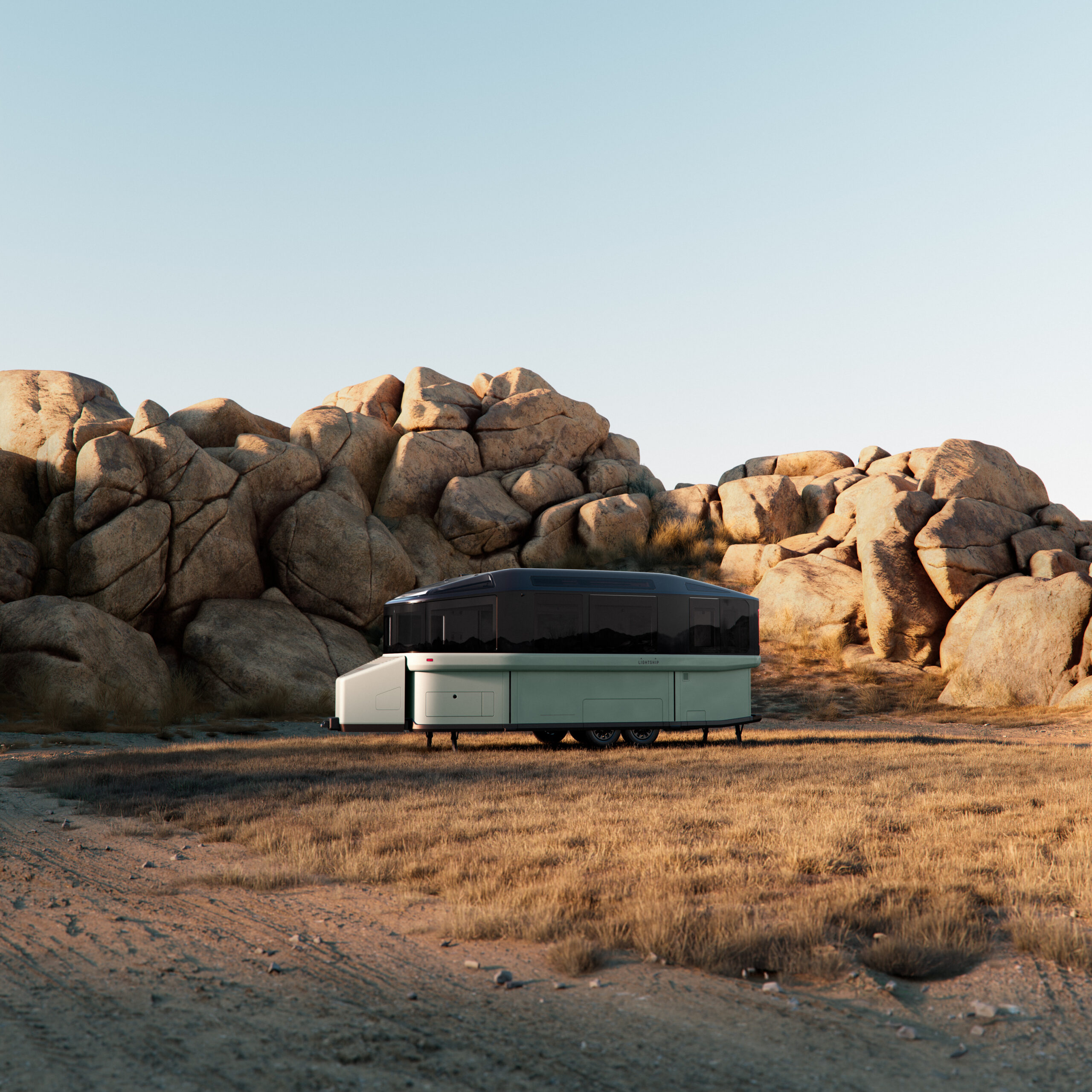

The Lightship AE.1 all-electric travel trailer attended the Florida RV SuperShow, introducing self-propulsion and off-grid energy systems that could signal a shift in power infrastructure requirements for campground operators.
CEO Toby Kraus said the showcase offered a chance to connect with consumers and industry partners while demonstrating how electric trailers can transform outdoor adventure.
“The Florida RV SuperShow allows Lightship to engage directly with both industry and consumers at one of the country’s largest gatherings of RV enthusiasts,” Kraus told Modern Campground in an exclusive interview.
He noted the event provides “real-time feedback” and strengthens relationships with campground operators, customers, and other industry partners, to help position Lightship within the sustainable RV market.
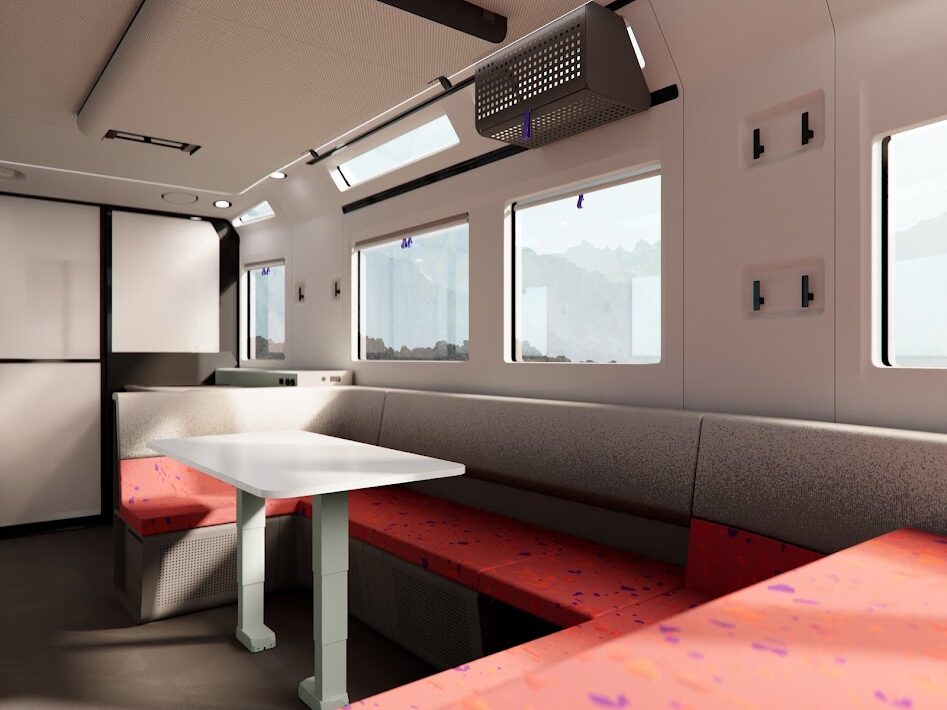
The AE.1 operates entirely on electricity, eliminating the need for generators or propane systems. Kraus described its integrated energy ecosystem, which combines a 77 kWh battery, a 1,800-watt solar roof, and 155 kW DC fast charging to support extended travel and off-grid stays.
“The 77 kWh battery provides ample energy for daily needs like refrigeration, cooking, lighting, hot water, and climate control,” Kraus said. “The solar roof replenishes the battery whenever the sun is available, and fast charging allows owners to recharge quickly while traveling.”
According to the CEO, a family of four can remain off-grid for about a week or longer, depending on usage. The AE.1’s design supports extended travel while providing comfort, convenience, and reliability.
TrekDrive and Design Innovation
A defining feature of the AE.1 is its TrekDrive propulsion system, which actively assists towing. Kraus noted that it significantly reduces strain on the tow vehicle and improves stability.
“TrekDrive achieves three times the efficiency of a standard trailer, cutting drag and energy use,” he said. “It makes a 7,700–8,200-pound trailer feel nearly weightless, improves fuel economy for gas trucks, and extends range for electric vehicles.”
The system uses regenerative braking and a force sensor to continuously monitor interaction with the tow vehicle, ensuring smooth and synchronized towing. This makes the towing experience safer, more efficient, and more predictable.
When asked about what sets the AE.1 apart from other RVs or emerging electric trailers, Kraus highlighted both design and technology.
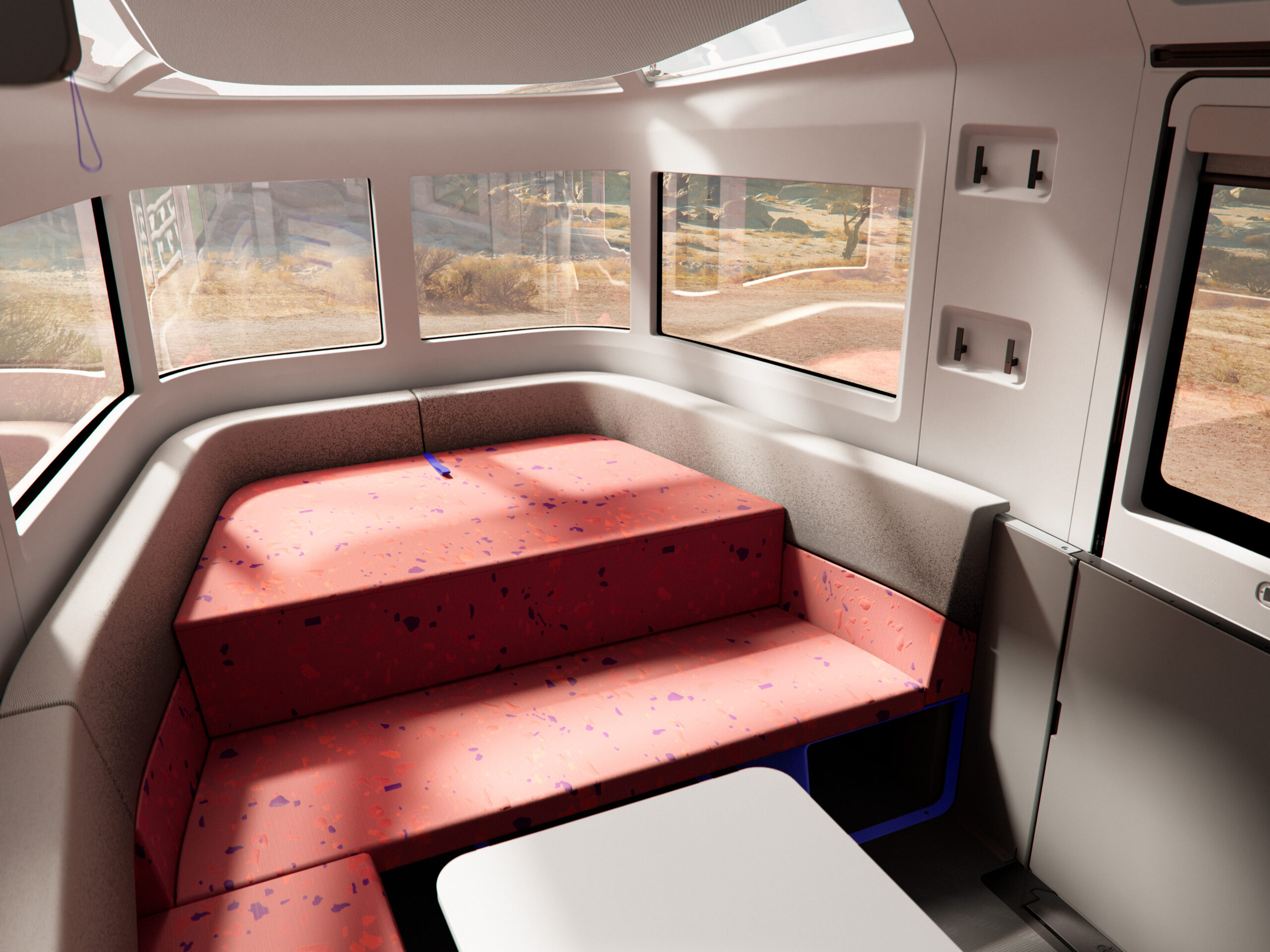
“From a design perspective, we wanted a product that is only Lightship,” he said. “It’s wide open, with tons of windows and high ceilings, and bright colors. We are the first to commercialize a trailer with a propulsion system.” The trailer features a motor and sensor system that enables it to propel itself while being towed, providing a safer and more stable towing experience.
The AE.1’s combination of the largest battery and solar system in its class, collapsible dual-mode design, and off-grid readiness also creates a quiet, generator-free experience for travelers. Kraus said it appeals to customers seeking luxury, efficiency, and versatility.
Preparing Campgrounds for Electric Travel
According to Kraus, the rise of electric trailers necessitates a shift in how campground and RV park operators manage power infrastructure.
He suggested that owners evaluate more than just individual site pedestals, recommending a comprehensive assessment of the electrical systems that supply those pedestals to accommodate the increased load from high-capacity batteries and fast-charging systems.
Planning ahead, he said, will be essential as adoption expands beyond a small percentage of campground sites.
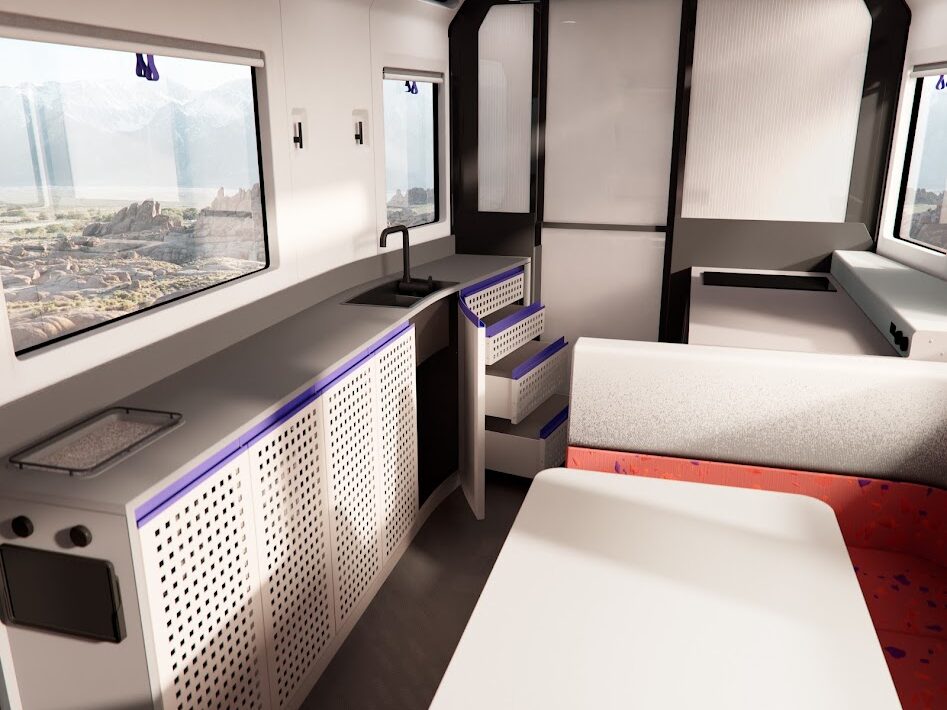
On Lightship’s side, Kraus explained that charging solutions are designed to accommodate gradual adoption. Each trailer includes 1,800 watts of solar panels that remain active while driving, trickle-charging the battery, and powering onboard systems.
Additionally, the trailers support DC fast charging at rates up to 155 kilowatts, providing flexible options to ensure campers have access to reliable power in a variety of settings.
Kraus also described the AE.1 customer base as diverse, including family weekend explorers, long-term nomads, and tech-forward adventurers, roughly split between those with electric or alternative-fuel tow vehicles and those with gas-powered trucks.
Asked about his motivation to create Lightship, Kraus cited personal experience. “I love the outdoors and travelling,” he said.
He found traditional RVs neither accessible nor appealing, noting that their design and technology lagged behind what he and many customers have come to expect.
With this, he saw an opportunity to create something entirely new for an emerging group of RV users, including himself, incorporating modern technology and design elements that are increasingly common in cars and homes but have yet to make their mark on the RV industry.
Looking ahead, Kraus said Lightship plans to grow its AE.1 line with new features and accessories, while also exploring new products and form factors over the next five years.
On manufacturing, Kraus noted the company builds in the United States with a largely domestic supply chain. He acknowledged challenges such as part shortages and staffing, but said producing hundreds of vehicles annually remains feasible.
Finally, Kraus invites prospective buyers to explore Lightship vehicles in person at the showroom. “Seeing is believing,” he said. “The product is a large, visceral experience.”
Through its design-forward approach and technology integration, Lightship aims to redefine outdoor adventure and position electric travel trailers as a viable, sustainable option for the next generation of RV enthusiasts.
Featured image by Lightship
