


Pennsylvania Governor Josh Shapiro announced nearly $82 million in new state funding on January 12, 2026, supporting more than 295 recreation and conservation projects across the Commonwealth through the Department of Conservation and Natural Resources’ Community Conservation Partnerships Program. The substantial investment targets the revitalization of local communities, expansion of outdoor access, and protection of natural resources, with a significant portion directed toward the Pennsylvania Route 6 corridor spanning 11 counties across northern Pennsylvania.
The state’s strategy aims to enhance tourism and outdoor recreation along one of Pennsylvania’s most scenic highways. Campground and RV park owners along the corridor may see increased visibility as the state aims to attract visitors and drive tourism.
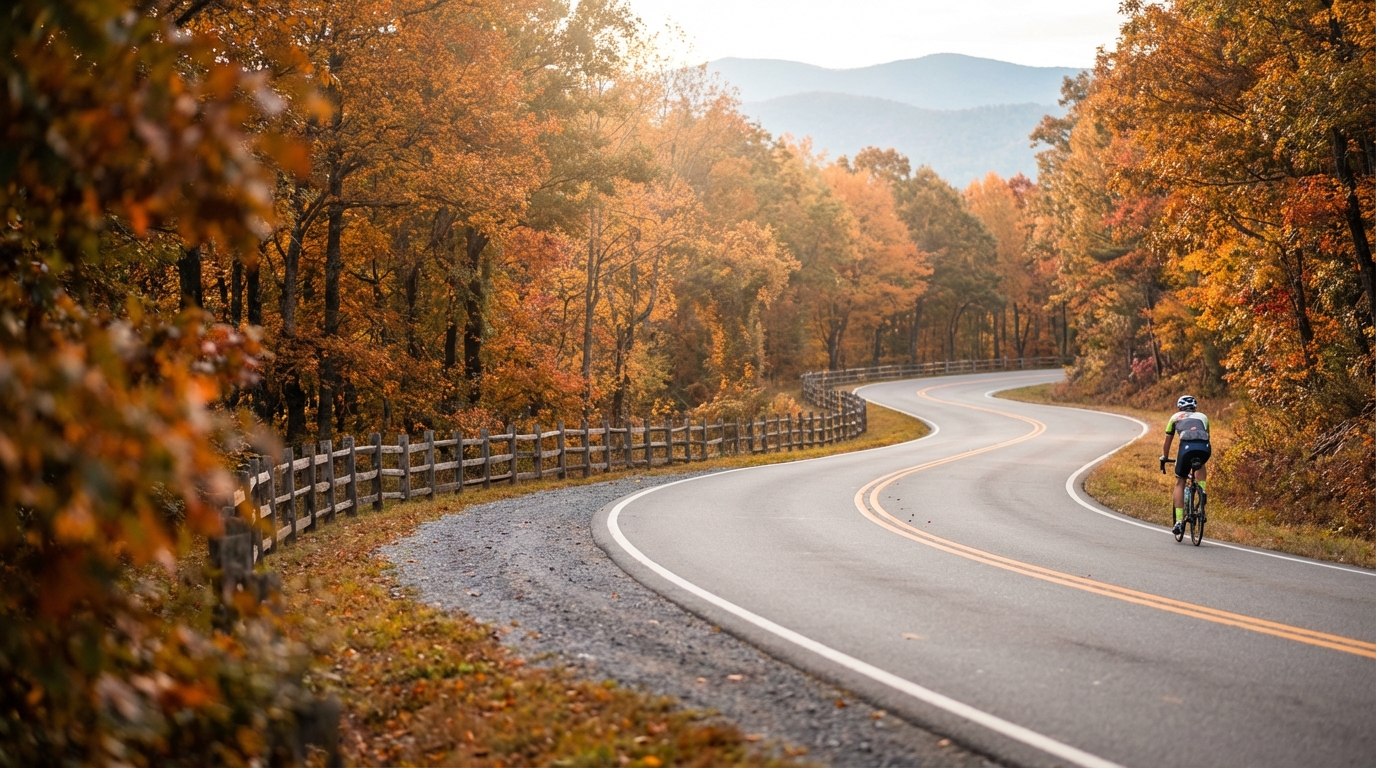
The PA Route 6 Alliance received a $462,300 grant designated for continued development of bicycle tourism assets, general tourism support, and promotion of the PA Route 6 Artisan Trail. This funding, derived from the Keystone Fund and Environmental Stewardship Fund, aims to bolster economic vitality by attracting visitors to the unique cultural and recreational offerings available across the 11 counties the highway traverses.
The bicycle tourism investments create potential opportunities for outdoor hospitality operators along the corridor. Properties serving cycling travelers often provide secure bike storage facilities, basic repair stations equipped with tire pumps and common tools, and wash-down areas for muddy equipment.
Heritage organizations overlapping with the Route 6 corridor secured substantial grants for trail development and water recreation initiatives. The Endless Mountains Heritage Region received $409,800 to manage heritage initiatives, develop regional gravel cycling loop trails, and oversee management of the North Branch Susquehanna River Water Trail. The Lackawanna Heritage Valley Authority was allocated $369,000 to facilitate development of the Lackawanna River Heritage Trail and conduct a feasibility study for the Lackawanna River Water Trail, integrating water-based recreation with the region’s land-based assets.
Campgrounds and RV parks adjacent to designated water trails may benefit from providing kayak and canoe storage, launch assistance, and shuttle services to upstream or downstream access points. The water trail development and feasibility studies included in this funding announcement reflect growing interest in water-based recreation across the region.
Local communities along the Route 6 corridor also secured funding for specific park and trail improvements. In Pike County, Milford Borough’s West Ann Memorial Park was awarded $250,000 for pavilion construction, play equipment installation, and ADA access improvements. Wayne County received $193,400 for Carlton Drake Memorial Park in Dreher Township to fund pavilion renovations and pedestrian walkways.
Susquehanna County projects included $200,000 for Ira Reynolds Park in Susquehanna Depot Borough to construct a boat launch and $70,000 for Ervin Kaminski Park in Gibson Township for various site improvements. Bradford County saw significant investment with Towanda Borough receiving $621,000 for rehabilitation of the 3rd Ward Playground, while Wyalusing Township was granted $162,500 for development of a new township park.
The explicit funding for ADA improvements at West Ann Memorial Park reflects a statewide commitment to inclusive outdoor recreation. The outdoor hospitality industry increasingly recognizes accessible design as both a legal requirement under the Americans with Disabilities Act and a significant market opportunity as the population ages and demand for inclusive travel experiences grows. Accessible RV sites and camping accommodations typically feature firm, stable surfaces with appropriate slope grades, wider pathways accommodating mobility devices, and proximity to accessible restroom and shower facilities.
Universal design philosophy creates environments usable by all people without the need for adaptation. Features like zero-step entries in cabins and glamping units, lever-style door handles, and roll-in showers benefit guests with disabilities while also improving convenience for families with young children and older adults. Clear, high-contrast signage with appropriate font sizes and tactile elements helps guests with visual impairments navigate properties independently.
As public parks and trails along the Route 6 corridor become more accessible through state funding, guest expectations for private facilities may evolve accordingly.
The investments are designed to encourage long-distance travel and local exploration along the historic route. By supporting both the overarching management organizations and specific municipal projects, the state aims to create a cohesive and accessible outdoor recreation network that leverages the natural beauty and historical significance of the Route 6 corridor to drive tourism and economic growth in 2026 and beyond.
Trail corridor visitors often seek multi-day experiences. The PA Route 6 Artisan Trail promotion creates opportunities for campgrounds to serve as basecamp facilities for visitors utilizing these publicly funded recreational assets across all 11 Route 6 counties.
