

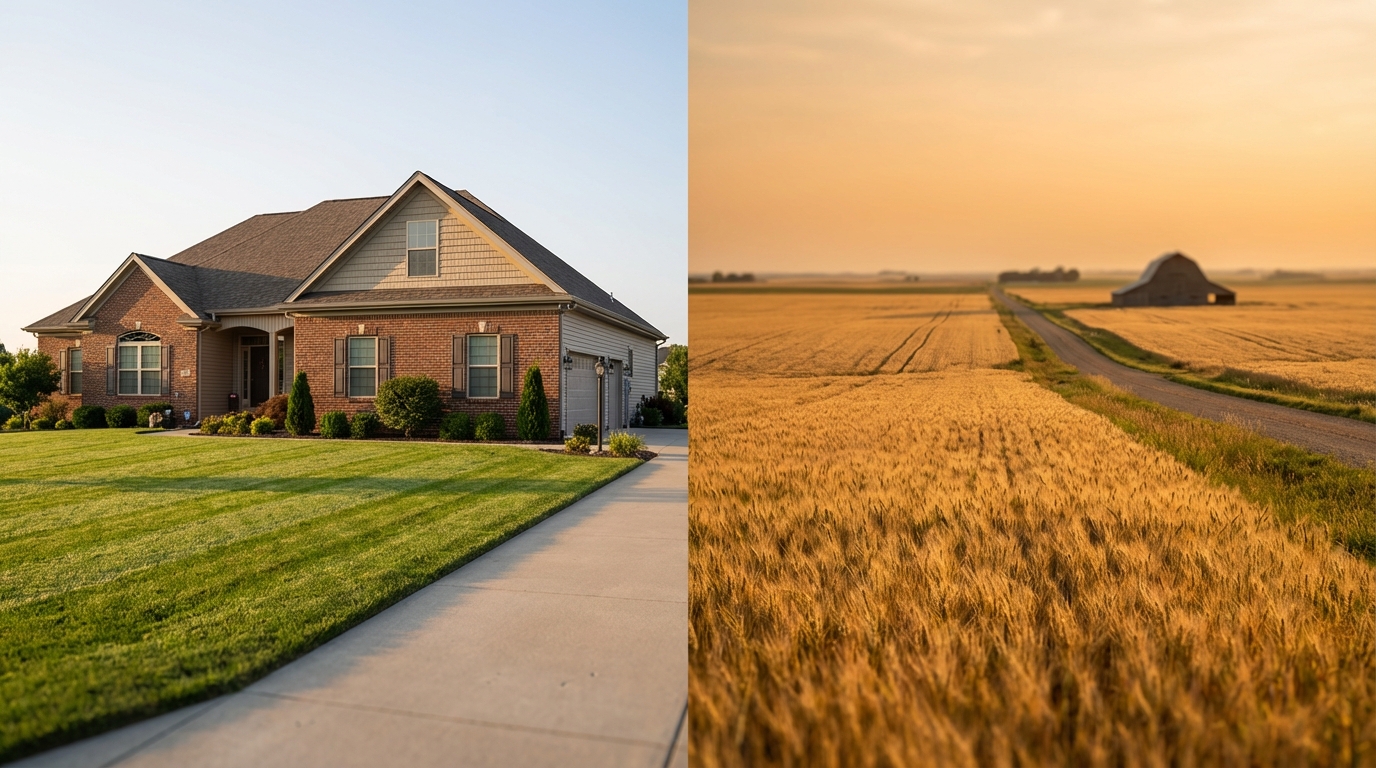

Oklahoma Governor Kevin Stitt unveiled a proposal to freeze property tax growth across the state during his eighth and final State of the State address, delivered before a joint session of the 60th Oklahoma Legislature. The Republican governor called on lawmakers to approve a constitutional amendment that would halt automatic property tax increases tied to rising property valuations, urging them to place the measure before voters as a state question on the November 2026 ballot.
The proposal targets a mechanism that Stitt characterized as penalizing property owners for market forces beyond their control. Under Oklahoma’s current system, when property values increase due to inflation or real estate market appreciation, tax bills rise correspondingly even when tax rates remain unchanged. This dynamic has placed growing financial pressure on long-term homeowners and agricultural producers who have watched their tax obligations swell without any accompanying policy decision to raise rates.
By implementing a statewide freeze, the administration aims to provide predictability and relief for Oklahomans navigating an economic environment marked by persistent inflation and escalating real estate prices. The governor framed the initiative as essential protection for taxpayers who have maintained their properties for years only to face mounting tax burdens driven by external market conditions rather than changes in local tax policy.
Agricultural producers received immediate attention in Stitt’s remarks, and the challenges they face extend to other land-intensive businesses operating in the state where rising valuations translate to higher tax bills. Property taxes constitute one of the most significant fixed operating costs for outdoor hospitality businesses, and RV parks and campgrounds typically require substantial acreage to accommodate sites, amenities, common areas, and buffer zones. This makes property tax obligations a major line item in annual operating budgets for campground and RV park owners throughout Oklahoma.
When property taxes rise unexpectedly due to market valuations rather than rate changes, operators may find themselves forced to defer maintenance projects or increase site fees to maintain margins. Such adjustments can affect competitiveness in markets where guests have multiple options for their camping and RV experiences. Predictable operating costs enable more confident investment in guest amenities, infrastructure upgrades, and expansion projects that enhance the overall guest experience.
The Oklahoma Farm Bureau and other agricultural advocacy groups have expressed support for the measure, viewing a property tax freeze as particularly advantageous for farmers and ranchers managing large tracts of land. Agricultural producers contending with high input costs for equipment, seed, and fertilizer face outsized exposure to property tax increases that compound their financial challenges. The backing from farming and ranching communities provides Stitt with a significant constituency as he seeks legislative approval for the constitutional amendment.
Common practices for financial planning in outdoor hospitality include building property tax projections into five-year capital improvement plans and maintaining reserve funds specifically designated for property tax increases. Operators in rapidly appreciating markets have learned to conduct annual assessments of property use to ensure parcels are classified correctly for tax purposes, as recreational and commercial land often carries different assessment rates than residential or undeveloped property. Factoring property tax stability into site expansion decisions has become increasingly important, since unpredictable tax growth can make multi-phase development projects financially risky.
Beyond providing relief for existing property owners, the proposal could carry implications for economic development in Oklahoma’s outdoor recreation sector. Site selection for new outdoor hospitality ventures involves weighing numerous factors, and tax environment consistently ranks among the most important considerations for developers and investors evaluating potential locations.
Glamping resorts and upscale RV parks often require premium locations near natural attractions, where land values and corresponding property taxes can escalate quickly in growing tourism markets. A constitutional property tax cap could position Oklahoma more attractively relative to neighboring states for multi-property operators building regional portfolios.
The property tax freeze represents one component of Stitt’s comprehensive legislative agenda for the 2026 session. The governor also called for a constitutional cap on recurring state spending growth and further reductions in the personal income tax, continuing themes that have defined his tenure. This legislative session marks his final opportunity to advance major fiscal policy initiatives before leaving office.
Existing operators considering whether to expand their current properties or acquire additional locations often compare tax climates across state lines when evaluating opportunities. Markets that offer favorable tax environments position themselves competitively for ongoing development activity in the outdoor hospitality sector, which continues to see strong interest from new investors seeking to capitalize on sustained demand for RV travel and experiential camping.
As a proposed constitutional amendment, the measure must secure legislative approval before reaching voters. If lawmakers approve the proposal during this session, Oklahoma voters would determine the measure’s fate at the ballot box in November 2026. The path forward depends entirely on the proposal navigating the legislative process successfully, with the governor using his final months in office to advocate for what he has positioned as a fundamental protection for property owners across the state.
