

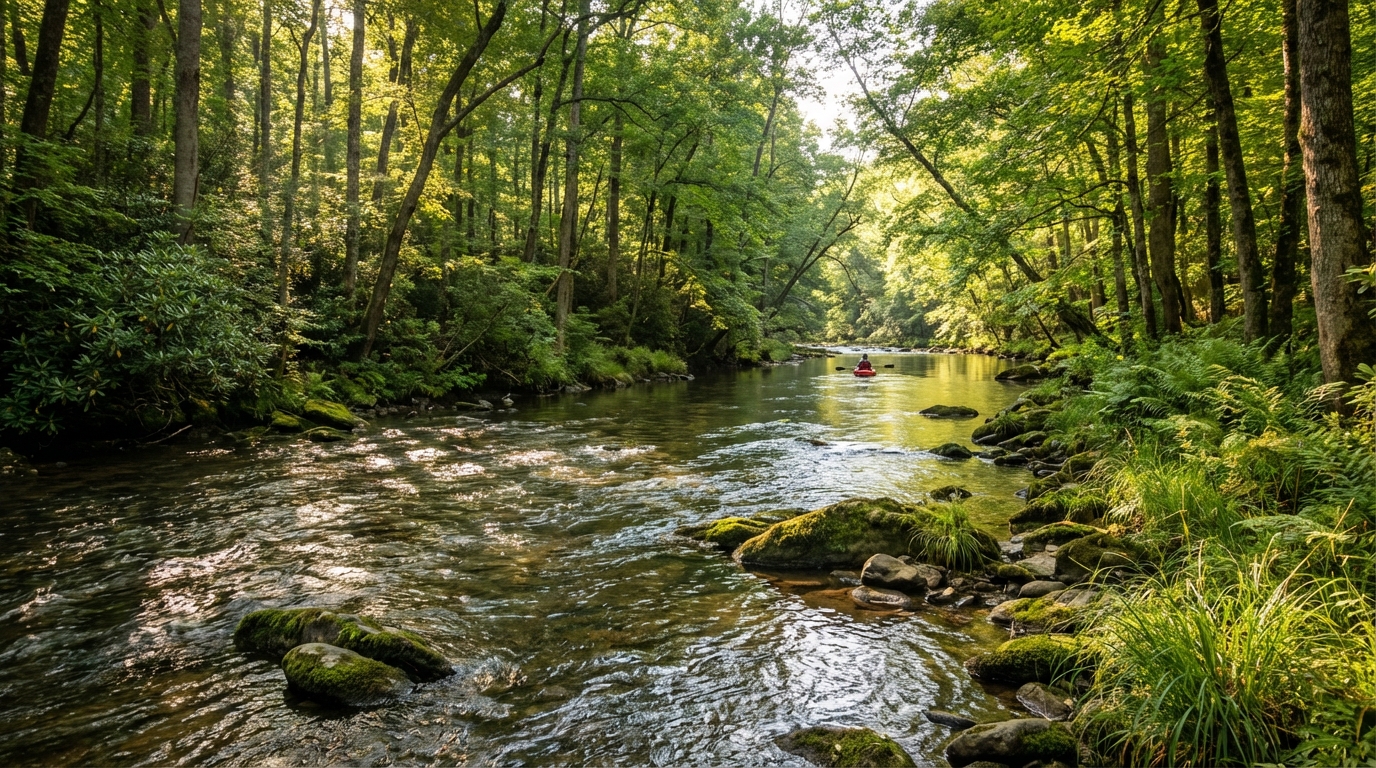

Oklahoma lawmakers are moving forward with legislation that would establish formal protections for four rivers in the southeastern corner of the state, a development that could reshape the region’s appeal to outdoor hospitality operators and nature-based tourism businesses. The Oklahoma Senate recently advanced Senate Bill 2157, authored by Sen. David Bullard, R-Durant, which would designate the Glover, Kiamichi, Little, and Mountain Fork rivers as scenic waterways under the proposed Southeast Scenic Rivers Act. The measure cleared the Senate Agriculture and Wildlife Committee, and Sen. Warren Hamilton later signed on as co-author, adding momentum to the measure as it advances toward full Senate consideration. This marks a significant step toward preserving these waterways while potentially catalyzing growth in the surrounding outdoor recreation economy.
The scenic designation carries substantial practical implications for the rivers and the communities that depend on them. Under the legislation, these waterways would remain free-flowing and unimpeded by large dams or structures, effectively shielding them from large-scale industrial developments including hydropower plants and dam construction. For campground owners, RV park operators, and glamping resort developers eyeing opportunities in southeast Oklahoma, this level of environmental assurance translates into long-term stability for nature-based tourism investments.
Properties near protected waterways can often command premium nightly rates due to perceived access to pristine natural amenities. Marketing materials emphasizing proximity to designated scenic rivers tend to resonate strongly with environmentally conscious travelers, a demographic that continues to expand across all outdoor hospitality segments. Operators considering expansion or new development in the region should recognize that investing in waterfront or river-adjacent sites early in the designation process often proves more cost-effective than waiting until tourism infrastructure fully develops.
Central to the legislation is the proposed Southeast Scenic Rivers Commission, an 11-member governing body that would oversee management of the four designated waterways. The commission’s membership would include local stakeholders and professionals with expertise in river conservation, ensuring that management plans reflect the priorities of those most directly affected. This locally driven framework aims to balance river protection with economic needs of rural communities that rely on water resources for farming, ranching, and tourism operations.
For outdoor hospitality operators, this structure presents meaningful engagement opportunities. The commission would adopt management plans with varying degrees of protection based on the special attributes of each area, meaning business owners may have avenues to provide input on policies affecting their operations. Developing partnerships with local outfitters, fishing guides, and kayak rental companies creates cross-promotional opportunities that benefit multiple stakeholders, and properties offering direct or easy river access typically maintain higher occupancy rates during peak seasons compared to those without water features.
Sen. Bullard articulated the protective intent behind the legislation in remarks regarding the bill. “These rivers are part of what makes southeast Oklahoma so special. They support wildlife, attract visitors, encourage outdoor recreation and help sustain local agriculture. This bill protects private property rights and keeps agriculture strong from federal overreach and industrial takeover. It also ensures that unwanted industrial developments, like hydropower plants, don’t come in and diminish the natural beauty of these rivers and steal our most valuable resource from our farmers and ranchers.”
Beyond the conservation priorities Bullard outlined, the economic and environmental stakes extend to broader regional considerations. The rivers support wildlife habitats, outdoor recreation activities including fishing and paddling, and agricultural operations dependent on consistent water access. Scenic river designations can strengthen tourism by preserving natural landscapes that attract visitors and outdoor enthusiasts, reinforcing the region’s identity as a destination for nature-based travel. Protected waterways also attract diverse visitor bases including bird watchers, photographers, anglers, and families seeking educational outdoor experiences, allowing operators to diversify amenities and extend seasonal appeal.
Sites located within a short drive of scenic rivers may see stronger performance metrics during peak seasons. Operators who proactively develop or enhance properties in southeast Oklahoma may benefit from first-mover advantages as the area’s profile rises among outdoor enthusiasts seeking destinations with guaranteed environmental protections. Diversifying amenities to serve varied visitor interests can reduce dependence on any single demographic while maximizing revenue potential throughout the year.
Operating near protected scenic rivers carries both opportunities and responsibilities for outdoor hospitality businesses. Properties adjacent to designated waterways increasingly face scrutiny regarding their environmental footprint, making sustainable operations not just an ethical choice but a practical business consideration. Installing low-impact wastewater systems that exceed minimum requirements protects water quality and demonstrates stewardship to guests and regulators alike. Using permeable surfaces for roads and parking areas reduces runoff affecting nearby rivers, while establishing vegetative buffers between developed areas and waterways provides natural filtration and enhances aesthetic appeal.
Water conservation measures such as low-flow fixtures and rainwater collection systems align operational practices with the conservation ethos of protected areas. Solar panels and other renewable energy installations reduce carbon footprints while often lowering long-term operational costs. Digital guest engagement platforms allow operators to communicate conservation messaging without printed materials, and properties achieving recognized sustainability certifications often report stronger guest loyalty and positive word-of-mouth referrals. Many travelers researching protected natural areas may check operator environmental practices before booking, making sustainability credentials a potential competitive differentiator in markets near scenic rivers.
The legislative path to this point included groundwork laid by Sen. Bullard, who held an interim study in August examining the need for a state Scenic Rivers Act to include key streams in southeast Oklahoma. A notable provision of the bill prohibits the use of eminent domain by the commission, a safeguard designed to protect private property rights.
The property rights protections and emphasis on local control embedded in the legislation may prove particularly relevant for private landowners and outdoor hospitality operators in the region. Operators who already demonstrate environmental responsibility may find more favorable relationships with regulatory bodies and local stakeholders invested in the rivers’ long-term health. The proposed commission’s management plans will shape how these waterways are protected and utilized, making early engagement a strategic consideration for businesses operating nearby.
If enacted, the Southeast Scenic Rivers Act would establish formal protections while creating a locally driven management framework that balances conservation with economic sustainability. The legislation positions southeast Oklahoma for potential growth in nature-based tourism, with the scenic designation serving as both a preservation tool and a marketing asset. Outdoor hospitality operators monitoring the bill’s progress may find strategic opportunities emerging as the region’s profile rises among travelers seeking destinations where environmental protections ensure the natural beauty that drew them there will endure.
