

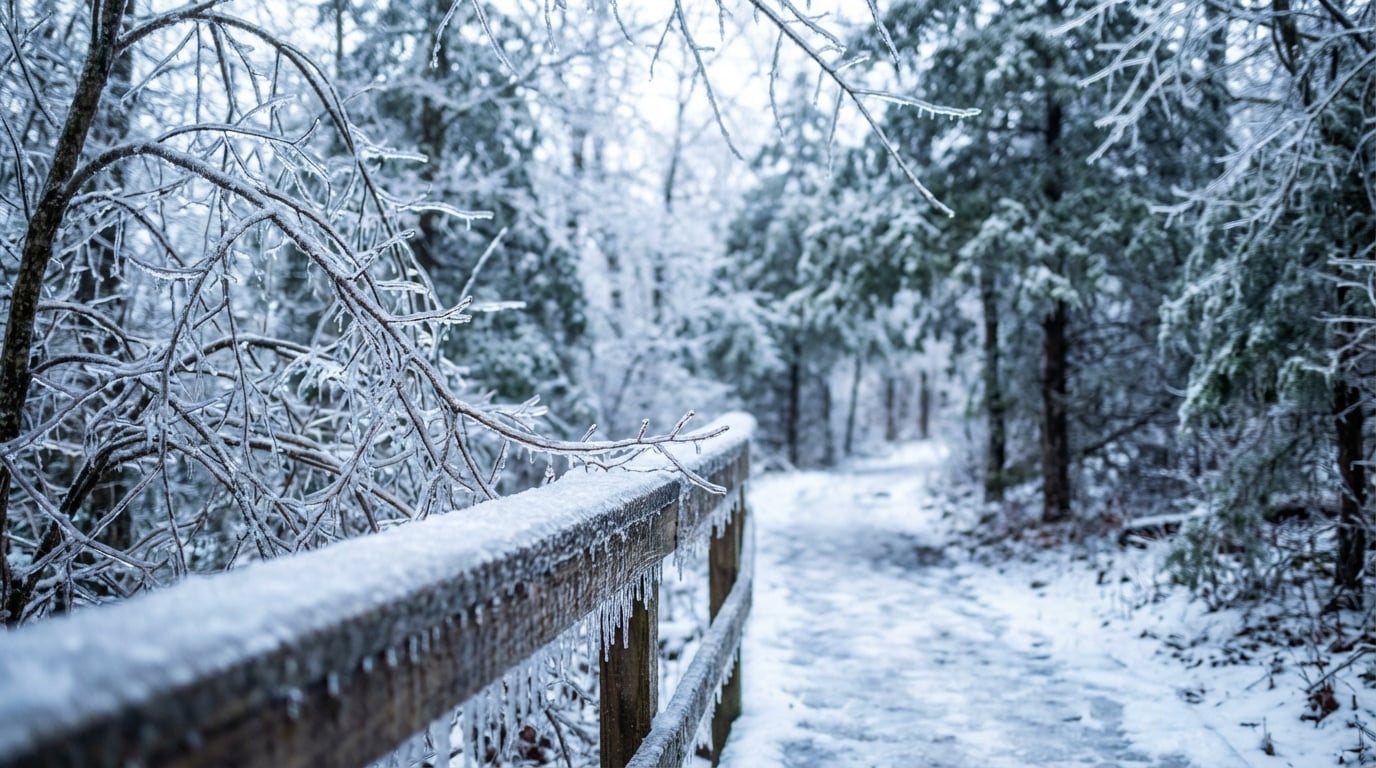

Multiple Tennessee state and national parks have closed trails, roads, and facilities as dangerous ice and extreme cold continue into early February 2026, with the Tennessee Emergency Management Agency maintaining a State of Emergency and a Cold Weather Advisory active through February 2 as wind chills drop near or below zero. The widespread closures affecting major outdoor destinations across the region create cascading challenges for private outdoor hospitality operators who serve as basecamps for visitors to these popular attractions.
Great Smoky Mountains National Park remains significantly impacted by the winter weather, with visitor centers and most park roads closed due to icy conditions. Specific closures include U.S. 441/Newfound Gap Road, Cades Cove Loop Road, and Little River Road, while the Cataloochee area also remains inaccessible due to lingering winter weather. For private campground and RV park operators who depend on national park visitation to drive bookings, these closures underscore the importance of coordinating with regional tourism boards and chambers of commerce to ensure inclusion in recovery promotion efforts once conditions improve. Operators positioned near major attractions should consider pre-positioning marketing campaigns to launch immediately when roads reopen, capturing the pent-up demand that inevitably follows extended closures.
Burgess Falls State Park has issued hazardous icy conditions alerts extending into February, with the trail to the top of Burgess Falls closed and visitors directed to use a gravel service road to reach the overlook. The Base of the Falls Trail remains closed due to multiple safety hazards including overhanging icicles, ice patches, and downed trees. These specific hazards mirror what private outdoor hospitality properties face during similar weather events, making proactive safety measures essential for operators who choose to remain open.
Window Cliffs State Natural Area has been under full closure since late January due to hazardous water levels resulting from the winter storm system. The area will remain inaccessible until conditions improve and water recedes to safe levels, though no specific reopening date has been announced. This uncertain timeline reflects the challenge many operators face when weather disruptions extend beyond initial forecasts, making business continuity planning critical for sustainable operations.
Long Hunter State Park has closed the Volunteer Trail and Bryant Grove due to extensive tree cleanup operations required following the winter weather. Park staff are actively working to clear debris to restore safe access, demonstrating the labor-intensive recovery process that follows significant ice storms. Private operators facing similar cleanup needs should document damage thoroughly to support insurance claims and potential disaster assistance applications while using closure periods for infrastructure maintenance and upgrades.
For private campground and RV park operators throughout Tennessee, implementing robust communication protocols before severe weather arrives represents an essential component of guest safety. Maintaining updated emergency contact systems including text alerts and email notifications allows operators to reach guests before and during weather events. Posting real-time condition updates on websites and social media helps potential visitors make informed travel decisions, while digital signage at park entrances that can be updated remotely enables communication without staff exposure to dangerous conditions.
The extreme cold currently affecting the region, with wind chills expected near or below zero, creates genuine risk for RV guests whose heating systems may struggle in such temperatures. Designating warming stations or common areas with backup heating systems provides refuge during the most dangerous conditions. Marking pathways with reflective stakes helps guests navigate safely when ice and snow obscure normal walking routes, while positioning sand and salt stations throughout properties empowers guests to treat icy spots near their sites. Installing motion-activated lighting along main walkways reduces slip-and-fall incidents during shortened winter daylight hours.
Creating standardized weather response checklists ensures consistent communication across all staff members during emergency situations, reducing the chance of critical information falling through the cracks. Establishing relationships with local emergency services and weather monitoring stations provides operators with early warning capabilities that can prove invaluable when conditions deteriorate rapidly. These preparations allow private operators to remain open when public parks cannot, potentially capturing displaced visitor demand from travelers who still want outdoor experiences.
Extended winter closures present significant financial challenges, but diversifying revenue through off-season services such as equipment storage, RV winterization, and indoor facility rentals reduces dependency on overnight stays. Maintaining flexible cancellation and rebooking policies during weather emergencies builds guest loyalty and encourages future reservations rather than permanent cancellations. Cross-training staff on multiple responsibilities allows operators to reduce hours while maintaining essential functions during low-occupancy periods.
Continuing social media engagement during closures keeps properties visible to potential future guests, and promoting future reservations with early booking incentives during closure periods can stabilize cash flow. Gathering guest feedback through digital surveys during slower periods provides actionable insights for operational improvements that can be implemented before the busy season returns.
The Cold Weather Advisory for Middle Tennessee remains active through the morning of February 2, 2026, and conditions remain subject to change based on thawing and refreezing cycles. Visitors to state and national parks are strongly urged to check individual park alerts before traveling, guidance that private operators should echo to their own guests. Stocking supplies for increased occupancy before roads reopen prevents delays in resuming full operations, and private campgrounds serving national park visitors should prepare for a surge in bookings once major attractions become accessible again.
Extended cold and ice continue to challenge both public parks and private outdoor hospitality operations across Tennessee, with the thaw-refreeze cycle creating potential for additional hazards in the coming days. Operators should maintain guest communication and monitor conditions closely, recognizing that having established protocols enables confident response rather than reactive scrambling when weather events occur. The current situation serves as a reminder that winter preparedness represents not just a safety measure but an operational priority for outdoor hospitality businesses operating in regions subject to severe weather.
