

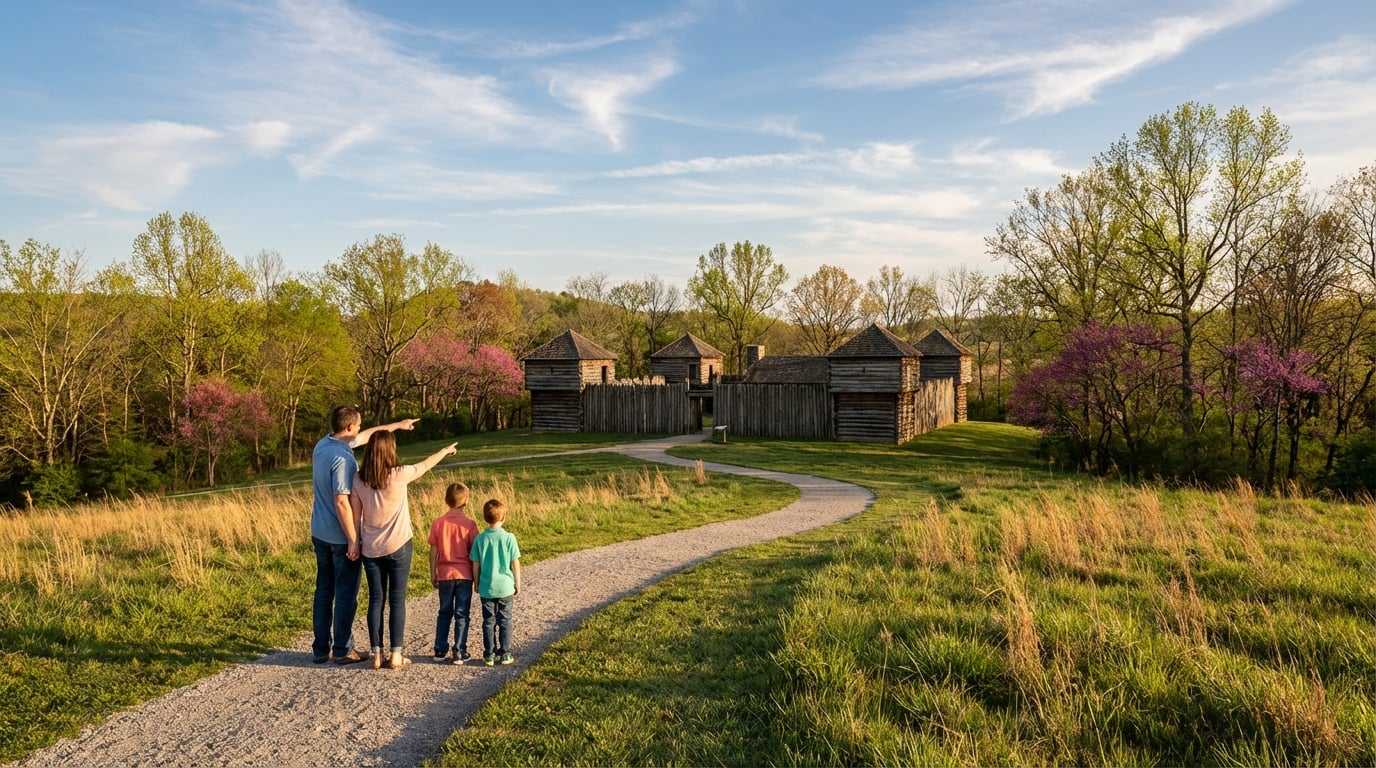

The Tennessee Department of Environment and Conservation has opened a public survey as part of the master planning process for Fort Southwest Point State Historic Park in Roane County, marking a key step in the site’s transition from municipal to state management.
The property, currently operated by the City of Kingston and open to the public, is set to become part of the Tennessee State Parks system, with a comprehensive Master Plan now in development. The online survey will remain open through March 31, 2026.
According to the department, the Master Plan will establish a long-term framework for how the park’s cultural, natural, and recreational resources are managed, protected, and interpreted. The planning process will help determine visitor experiences, conservation priorities, and potential community benefits associated with the site’s future as a state park.
“This is a big moment for Tennessee, and we are excited about what’s ahead with this new state park,” said Brian Clifford, deputy commissioner for Conservation at the Tennessee Department of Environment and Conservation.
“The master plan is something we create with the public. We truly value the public’s feedback, and we are listening closely because their input will help define the experiences, conservation priorities, and community benefits this park delivers for generations.”
Fort Southwest Point was constructed in 1797 by federal troops in what was then known as the Southwest Territory. It functioned primarily as a supply depot until it was abandoned in 1811.
According to a news release, the site was listed on the National Register of Historic Places in 1972 due to its historical and archaeological significance. In addition to its late 18th-century military history, the property contains archaeological evidence of pre-Contact Native American presence dating from approximately 8,000 to 6,000 B.C.
The location once marked the boundary between U.S. territory and Cherokee lands, reflecting a period of frontier expansion and conflict.
Historically, the fort included 15 structures. The buildings currently on site are reconstructions, as the original 1797 structures deteriorated over time.
For professionals in the outdoor hospitality and tourism sectors, the development of a new state park represents potential long-term implications for regional visitation patterns, heritage tourism growth, and nearby private accommodations.
State park designation can increase marketing visibility, infrastructure investment, and overnight demand in surrounding communities.
Business owners operating campgrounds, RV parks, and lodging facilities within driving distance may wish to monitor the master planning process, as interpretive programming, event development, and recreational amenities outlined in the final plan could influence visitor stays and seasonal traffic flows.
The survey results will help inform the final Master Plan, which will guide the park’s phased development and management priorities in the coming years.
