


Tennessee is poised to add two new state parks to its expanding conservation portfolio, with the Buffalo River and Clinch River preserves expected to open by the end of 2026. The initiative represents a partnership between Tennessee State Parks, the Tennessee State Parks Conservancy and the Tennessee Heritage Conservation Trust Fund, securing 451 acres along the Buffalo River and key tracts along the Clinch River as part of Governor Bill Lee’s vision to grow the state park system to 70 parks. For outdoor hospitality operators across the region, these acquisitions signal emerging opportunities in previously underserved areas where overnight visitors will likely seek accommodations beyond park boundaries.
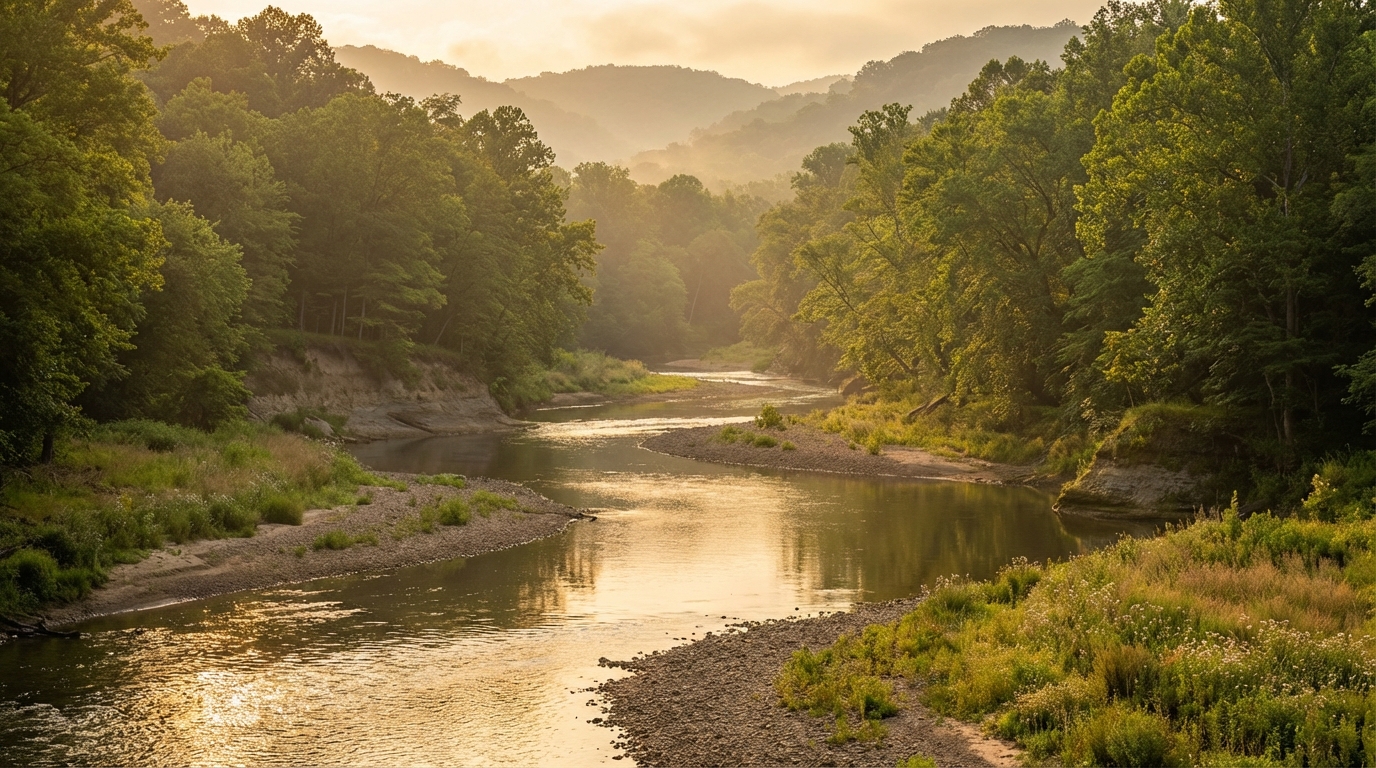
The Buffalo River State Park property encompasses a 451-acre tract in Wayne County near the Perry County line, featuring forested bluffs, gravel beaches and grassy meadows along more than two miles of pristine river frontage. The Buffalo River wraps around the land in a two-mile horseshoe bend, the longest such feature on the waterway. At 125 miles, the Buffalo River remains the longest free-flowing tributary of the Tennessee River and supports dozens of rare plant and animal species, including unique fish and mussels. The property also offers the darkest night sky in Tennessee according to Dark Sky data, making it an exceptional destination for stargazing enthusiasts.
The acquisition process began in February 2025 when Tennessee State Park officials alerted the conservancy that the Buffalo River tract had become available. The conservancy quickly secured a purchase agreement with the landowner, moving swiftly to preserve the ecologically significant property. With at least 48 documented rare plant and animal species calling this stretch of river home, the site represents one of the most biodiverse additions to the state park system in recent memory.
These conservation achievements carry direct implications for the private sector. Private campground and RV park operators in Wayne County and surrounding areas may consider the business implications of this development. Properties located within 15 to 30 minutes of major recreational attractions generally experience higher occupancy rates than those in isolated locations. Given that the state park will offer limited overnight capacity on its 451 acres, overflow opportunities exist for nearby private facilities. Water-based recreational access points such as kayak launches add significant value when located near river-focused parks, and operators considering expansion could evaluate land availability along the Buffalo River corridor.
The Clinch River Valley State Park represents the second major addition, situated approximately 70 miles northwest of Knoxville and 50 miles west of Kingsport in Hancock County. The Clinch River stands as one of the most ecologically diverse rivers in the country, earning recognition from The Nature Conservancy as one of its “Last Great Places.” The landscape features rolling hills, high rock cliffs, bottomland forests and mountainous terrain, with a Blueway anchoring the park to support paddling, fishing and other water-based recreation.
The conservancy began assisting with the Clinch River Valley State Park a couple months after the Buffalo River acquisition commenced. State officials are actively seeking kayak and canoe access points in Hancock County, and the conservancy has helped facilitate two acquisitions, including a contract at Horton Ford. The organization closed on 22 acres and continues helping cover due diligence costs for a second property as efforts to acquire additional land move forward.
These ongoing acquisitions create a window of opportunity for private operators. The positioning of Clinch River Valley State Park between Knoxville and Kingsport places it along existing travel corridors where private facilities could capture both destination visitors and pass-through traffic. Creating shuttle services or guided excursions to nearby state parks can serve as revenue streams and marketing differentiators for operators in the region. Those monitoring land acquisition activities in Hancock County may identify emerging markets before competition intensifies.
Both park locations present unique considerations for operators developing or expanding facilities in these watersheds. With at least 48 documented rare species at Buffalo River and the Clinch River’s designation among conservation priorities, private businesses may face heightened environmental scrutiny. Installing riparian buffer zones of native vegetation along riverbanks helps filter runoff and prevents erosion, while using permeable surfaces for roads and parking areas reduces stormwater impact on nearby waterways. Implementing pump station systems that exceed minimum requirements protects groundwater in sensitive watersheds.
The Buffalo River property’s distinction as having the darkest night sky in Tennessee makes low-impact lighting designs particularly relevant for nearby private developments. Solar-powered facilities reduce operational costs while demonstrating environmental commitment, and properties that proactively adopt sustainable practices may position themselves favorably with both regulators and eco-conscious travelers. Partnership opportunities may exist with organizations like the Tennessee State Parks Conservancy for operators who align their brand messaging with conservation values.
These two parks emerge from Governor Lee’s broader vision to expand the state park system substantially. As of October 2025, the Lee administration had funded the formation of 13 new parks, bringing the total to 62 state parks across Tennessee. Some represent brand new parks while others will be created from existing state lands. The Tennessee Heritage Conservation Trust Fund and donor generosity enabled these acquisitions, demonstrating sustained commitment to conservation and public recreation access.
This expansion signals significant tourism growth potential in previously underserved Tennessee areas. Full hookup RV sites remain in high demand among travelers seeking extended stays near natural areas, while glamping accommodations appeal to visitors wanting nature immersion without tent camping. Developing partnerships with state park visitor centers for referral programs benefits both public and private entities, and offering amenities that complement rather than compete with state park offerings creates symbiotic relationships that enhance the overall visitor experience.
The conservancy is actively leading efforts to acquire additional property in Hancock County for the Clinch River park, with both preserves expected to be established by the end of 2026. Private outdoor hospitality operators evaluating expansion opportunities may consider land availability in both regions as state acquisition continues. Properties near these parks that provide Leave No Trace educational materials and interpretive signage enhance guest experiences while fostering environmental stewardship. Those who position themselves early in these emerging markets may find opportunities as Tennessee’s state park system continues its historic expansion.
