

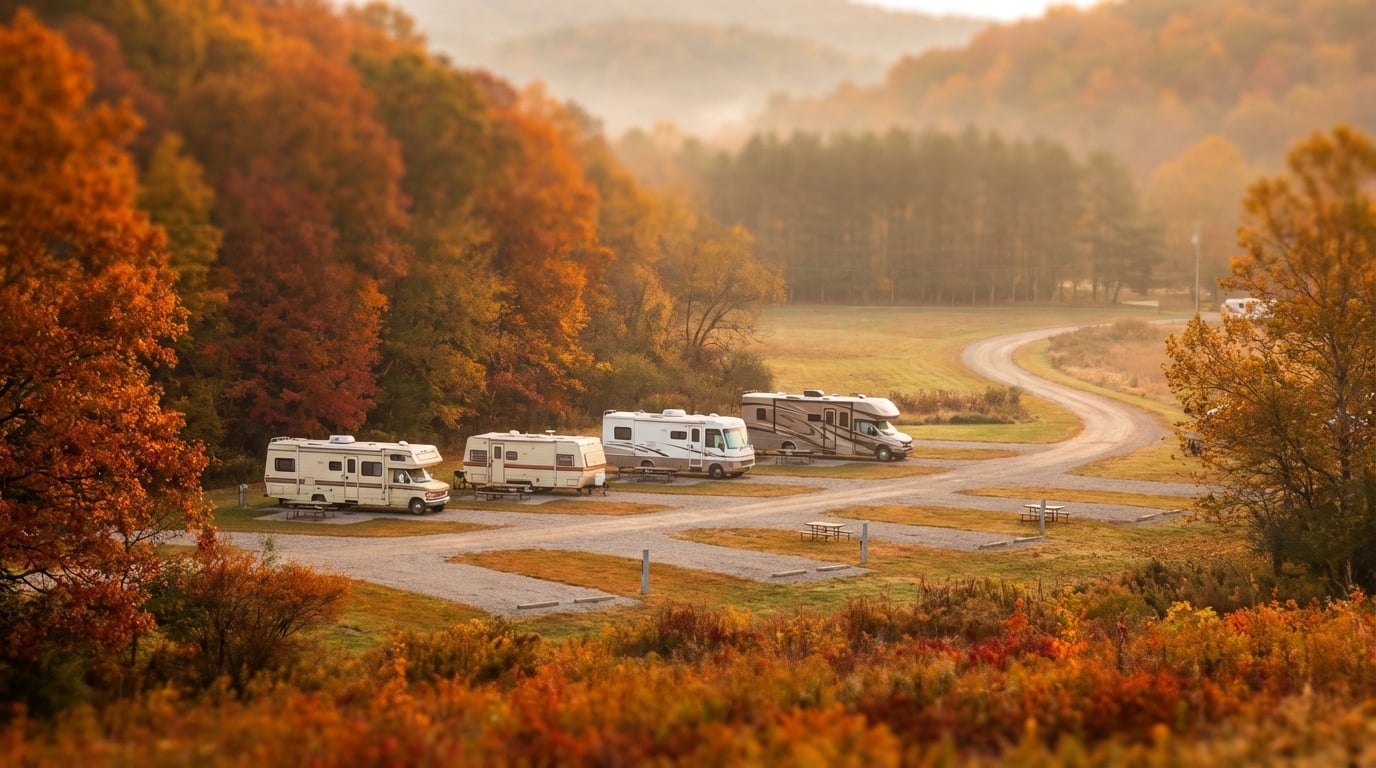

Four out of five campers ages 65 and older either camp more in retirement or plan to increase their camping activity once they retire, according to the 2026 Camping Report presented by Toyota Trucks and released by The Dyrt.
The findings highlight a significant shift in camping behavior among older Americans, pointing to sustained or growing demand for camping experiences as the population ages.
The report draws on surveys of thousands of The Dyrt community members, a representative sample of United States residents, and campground operators across all 50 states.
Data from the report shows that 16.4% of campers are 55 and older, including 6.2% who are at least 65.
Out of an estimated 82.4 million Americans who camped in 2025, approximately 13.5 million were 55 and older, including 5.1 million campers ages 65 and above.
The report estimates that at least 4 million campers increase their camping frequency during retirement.
Camping preferences among older age groups also differ from younger cohorts, particularly in accommodation type.
RV and trailer camping becomes more prevalent with age, with 55% campers ages 55 to 64 using RVs or trailers in 2025, compared to 21% of campers ages 34 and younger. Among campers 65 and older, 64 percent reported taking at least one RV or trailer trip during the year.
“It’s a fairly common sentiment among campers when they reach the campsite on Friday evening after a long week, ‘I can’t wait until I can do this without having to rush back for work on Monday,’” Kevin Long, CEO of The Dyrt, said in a press release.
“The era of remote work and Wi-Fi and satellite technology has given those campers still in the workforce a sneak peek into what spending extra time at a campground can be like,” Long added.
In contrast, glamping participation declines with age despite an overall 8% increase in glamping from 2024 to 2025. Only 3% of campers ages 65 and older reported staying at a glamping site.
“While you might think the comfort of glamping would attract older campers, we are seeing the opposite is true,” Sarah Smith, founder of The Dyrt, wrote in the report.
Additional findings show that campers ages 55 to 64 are the most likely to leave a reserved campsite at least one day early, while those 65 and older are most likely to cancel reservations with advance notice.
