
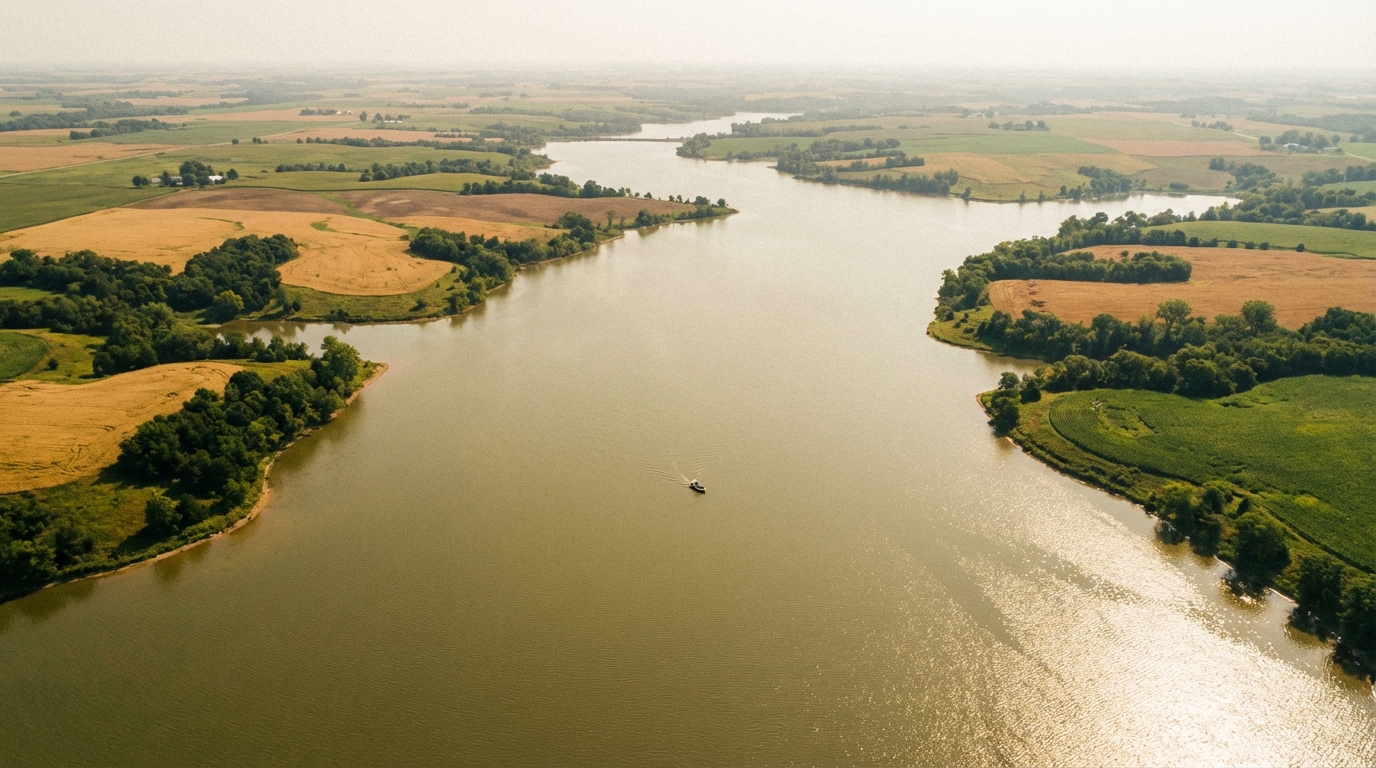

The Iowa Environmental Protection Commission approved federal funding on Jan. 28 to continue the Lake Rathbun watershed protection program, a decision that carries significant implications for outdoor hospitality operators who depend on the recreational appeal of Iowa’s second-largest lake. The funding, derived largely from EPA Clean Water Grants, will support efforts to reduce nutrient runoff and improve aquatic habitat in the southern Iowa reservoir, which draws over 1 million visitors annually and serves as a primary drinking water source for approximately 80,000 residents across 18 counties in Iowa and Missouri.
For campground and RV park owners operating near Lake Rathbun, the funding approval represents more than an environmental milestone. Properties near protected watersheds occupy a unique position where conservation efforts directly influence business outcomes. Operators maintaining high water quality in adjacent recreational areas typically see stronger guest satisfaction and repeat bookings, while eco-conscious travelers increasingly seek accommodations demonstrating environmental stewardship. The connection between watershed health and recreational quality creates both challenges and opportunities for outdoor hospitality businesses throughout the region.
Lake Rathbun, formed by the Chariton River, functions as a key flood control mechanism while serving its vital role as the region’s primary drinking water source. Ginger Murphy of the Iowa Department of Natural Resources Water Quality Bureau, who oversees the watershed protection project, noted that the lake is Iowa’s second largest lake and among the most visited water bodies in the state. The reservoir’s importance extends beyond its environmental functions to its economic impact on surrounding communities, where outdoor hospitality businesses have built their operations around the lake’s recreational draw.
Water quality monitoring data from 2024 and 2025 revealed conditions that outdoor hospitality operators should factor into their business planning. None of the testing sites, including the main basin and various arms of the lake, met the transparency goal of 1-meter water clarity, according to findings from the DNR’s ongoing monitoring efforts. This persistent high turbidity presents direct challenges for campground operators, as lakes with poor water clarity typically see reduced swimming, fishing, and boating activity, which correlates with decreased occupancy at waterfront locations.
The water quality challenges stem largely from land use shifts over the past two decades. Watershed cropland has expanded from approximately 30 percent to nearly 50 percent, often involving the conversion of highly erodible pasture land into row crops. This agricultural intensification has increased sediment and phosphorus loads that impair the reservoir’s water quality. For outdoor hospitality operators, these documented long-term trends suggest water quality challenges may persist for years as conservation measures take effect, making diversified recreational offerings and transparent guest communication essential business strategies.
The newly approved federal funding will enable installation of conservation infrastructure based on Natural Resources Conservation Service standards. These structural best management practices, designed to reduce sediment and phosphorus loads, typically carry maintenance requirements ranging from 10 to 35 years. The long-term nature of these commitments reflects the scale of investment required to address watershed degradation. Outdoor hospitality operators in the region should recognize that the same best management practices being implemented through federal grants can be adapted for private properties, potentially qualifying for cost-share programs or technical assistance from NRCS.
Protection efforts are coordinated through the Rathbun Land and Water Alliance, a nonprofit organization established in 1996 to foster cooperation between public and private sectors. The Alliance has been implementing watershed management plans since 2004, updating them regularly to account for evolving land use patterns and technological advancements. The Alliance meets quarterly to review progress, with a specific focus on structural interventions that have proven most effective in the region’s topography.
The Alliance’s quarterly progress reviews and public meetings provide a forum where stakeholders can monitor water quality trajectories and anticipated improvements. The public-private partnership model demonstrates how outdoor hospitality operators might engage with local watershed groups, building community goodwill while gaining valuable insights into conditions that affect their guest experiences. Partnerships with local land trusts and watershed alliances can provide networking opportunities that strengthen both conservation outcomes and business relationships.
Given the specific water quality challenges facing Lake Rathbun, campgrounds and RV parks in the watershed can implement conservation practices that complement the region’s broader protection efforts. Installing vegetative buffer strips between camping areas and waterways helps naturally filter runoff and reduce sediment transport to nearby water bodies. Utilizing permeable surfaces for roadways and parking areas allows rainwater to infiltrate rather than carry pollutants directly into streams and lakes. Implementing proper wastewater management systems, including well-maintained dump stations with appropriate containment, prevents nutrient loading in local waterways.
For Lake Rathbun-area properties specifically, additional practical measures address the phosphorus and nitrogen concerns identified in the watershed. Establishing designated pet waste stations with biodegradable bags reduces nutrient contributions to the already-impaired reservoir, while creating rain gardens and bioswales throughout the property provides natural stormwater management while enhancing aesthetic appeal. Properties experiencing recurring water quality issues in adjacent lakes may benefit from on-site amenities like swimming pools or splash pads as backup recreational options. Fishing cleaning stations should incorporate proper waste disposal to prevent nutrient return to waterways.
Given Lake Rathbun’s documented turbidity challenges, transparent communication about current conditions builds guest trust and reduces complaints upon arrival. Properties near the reservoir should monitor local water quality reports and health advisories to proactively communicate conditions to incoming guests, managing expectations before arrival. Algae blooms resulting from excess nutrient loading can create unpleasant odors and visual conditions that generate negative guest reviews and social media feedback, making proactive communication a business necessity rather than simply a courtesy.
The funding approval ensures continuation of long-term watershed protection efforts at a time when the documented shift in land use patterns underscores the magnitude of conservation challenges ahead. Outdoor hospitality operators who understand the connection between watershed health and recreational quality position themselves as community partners while setting realistic guest expectations. Properties that engage proactively with these conservation trends, whether through implementing on-site best management practices, participating in watershed alliance activities, or diversifying recreational offerings beyond water-based activities, will be better positioned competitively as Lake Rathbun’s water quality gradually improves through sustained conservation investment.
