


The global caravan and motorhome market is expected to hit $63.71 billion in 2026 and grow at a compound annual rate of 7.38%, reaching $98.06 billion by 2032, according to a new forecast from ResearchAndMarkets.com.
The report, titled “Caravan & Motorhome Market – Global Forecast 2026-2032,” positions the sector at the intersection of leisure travel, outdoor recreation, vehicle engineering, and mobile living.
Demand is being driven by consumers seeking flexible, self-directed travel, families prioritizing domestic tourism, retirees extending road-based holidays, and digital workers embracing longer-stay mobility, according to a press release.
Product differentiation increasingly centers on lightweight construction, fuel efficiency, interior comfort, connected features, energy autonomy, and compliance with evolving emissions standards.
The report notes a notable shift from traditional towable caravans and coachbuilt motorhomes toward compact campervans, modular conversions, off-road trailers, and electrically assisted or hybrid-ready platforms.
Urbanization and smaller households are driving interest in units that can function as both leisure vehicles and everyday transport, with layouts designed for remote work, multi-generational travel, and pet-friendly mobility.
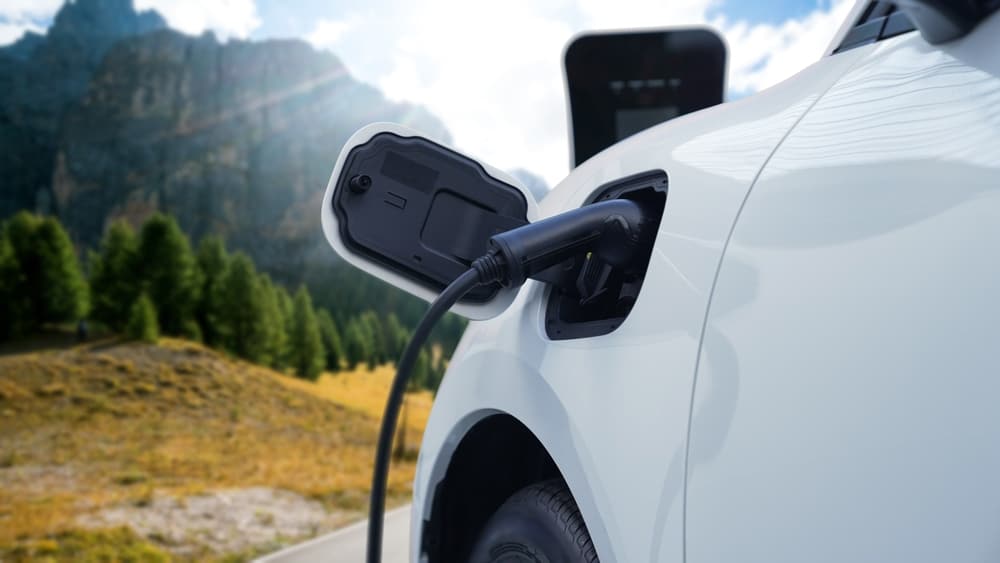
Sustainability is emerging as a defining force. Stricter vehicle emissions rules, low-emission zones in major cities, and consumer awareness of environmental impact are pushing the sector toward electrified drivetrains, solar integration, lithium battery systems, and recyclable materials.
However, the report acknowledges that adoption of electric motorhomes depends on charging access, payload constraints, range performance, and campsite energy infrastructure.
Artificial intelligence is beginning to reshape the value chain through design optimization, predictive maintenance, production planning, and customer personalization.
For manufacturers, AI-enabled simulation can support lighter vehicle structures and improved aerodynamics. For dealers and rental operators, AI can personalize vehicle recommendations, optimize pricing, streamline service scheduling, and improve customer support through automated trip guidance.
The rental and subscription economy is also changing ownership models by introducing younger and first-time users to motorhome travel without the upfront cost of purchase.
Digital marketplaces, telematics, mobile booking tools, and campsite reservation platforms are becoming important enablers of utilization and customer experience.
Regionally, North America remains one of the most developed markets, underpinned by road infrastructure, national park visitation, extensive dealer networks, and strong cultural acceptance of RV travel.
Consumer preferences increasingly include connected features, four-season capability, off-grid power, advanced towing assistance, and compact units that are easier to store and maintain.
Europe is characterized by strong campervan culture, dense cross-border tourism, and regulatory pressure around emissions and urban access.
Asia-Pacific is supported by rising domestic tourism and expanding middle-class leisure spending, with Australia remaining one of the region’s most mature RV environments.
For RV manufacturers, dealers, and suppliers, the 7.38% CAGR through 2032 signals a sustained growth cycle, but one that rewards agility.
The shift toward compact campervans and hybrid-ready platforms suggests production lines and inventory mixes need to adapt faster than many in the industry have anticipated.
