

The Department of Homeland Security has cleared the way for border wall construction through two of Texas’ most iconic public lands, a decision that will reshape the landscape outdoor hospitality operators in the Big Bend region have long relied upon to attract visitors.
The Department of Homeland Security issued waivers for 28 federal environmental and historic preservation laws on Feb. 13, which were signed by Secretary Kristi Noem, authorizing a “primary border wall system along a more than 150-mile stretch from Fort Quitman in Hudspeth County to Colorado Canyon within Big Bend Ranch State Park, according to an article published by The Texas Tribune.
The project encompasses both Big Bend Ranch State Park and neighboring Big Bend National Park.
The scope of planned infrastructure extends far beyond a simple barrier. U.S. Customs and Border Protection’s website indicates the smart wall can include a steel bollard wall or waterborne barriers, along with patrol roads, detection technology, cameras, high-intensity lighting, and in some cases a secondary wall.
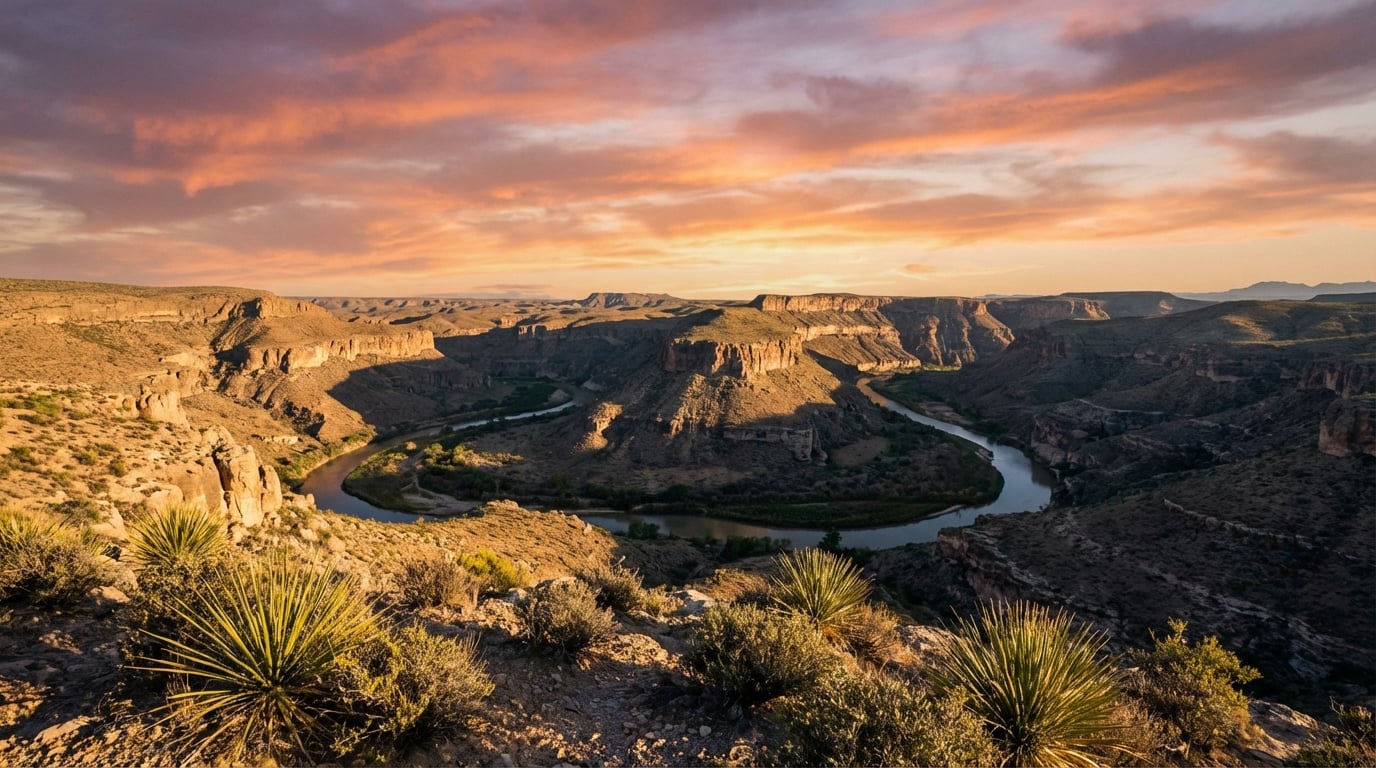
Within Big Bend National Park, the construction zone begins at Santa Elena Canyon and continues along the river to Mariscal Canyon, then extends through Hot Springs, the Rio Grande Village campground, and the Boquillas border crossing before stopping at the entrance to Boquillas Canyon.
In Big Bend Ranch State Park, the barrier runs from the western edge through Colorado Canyon, a popular launch point for paddling trips, and passes through the town of Lajitas.
For outdoor hospitality operators throughout the Big Bend corridor, the construction window affecting more than 150 miles of borderland demands proactive business planning.
Regional campgrounds and RV parks should anticipate shifts in booking patterns as construction activity, road closures, and access changes reshape visitor flows. Best practices during regional disruption include developing relationships with local tourism boards to stay informed about project timelines, creating flexible cancellation policies during uncertainty to build guest trust, and investing in on-property experiences that reduce dependence on external attractions.
The economic stakes for tourism-dependent businesses are also substantial. Big Bend National Park draws more than 500,000 visitors annually despite its remote location, and the National Park Service (NPS) estimates the park contributed $56.8 million to the local economy in 2024.
Big Bend Ranch State Park, the largest in the Texas state park system at 300,000 acres, offers rugged desert terrain for hikers and mountain bikers alongside Rio Grande access for paddlers.
The region’s outdoor hospitality businesses, from campgrounds and RV parks to glamping resorts and river outfitters, have built their operations around this visitor traffic.
According to the article, Charlie Angell, who operates Angell Expeditions and has guided thousands of river trips on the Rio Grande, owns property approximately 250 feet from the river including the El Polvo archaeological site.
“I plan to live here the rest of my life. I don’t want to start over,” Angell said. In more than a decade owning property on the Rio Grande, he has never seen anyone enter illegally on his land and has stated he will refuse to sell.
The laws waived to expedite construction include Archaeological and Historic Preservation Act, and Native American Graves Protection and Repatriation Act. These regulations would otherwise require lengthy environmental and cultural impact assessments before construction could proceed.
Secretary Noem called the Big Bend Sector an area of high illegal entry where illegal aliens regularly attempt to enter the United States and smuggle illicit drugs.
The Department of Homeland Security has stated the waivers are necessary to avoid administrative delays. H
However, historically the number of people crossing unauthorized into the United States in the Big Bend region is much lower than in more urban, populous areas, and unauthorized crossings have dropped dramatically over the past two years.
Local elected officials, all Republicans, have spoken against wall construction in their counties.
Brewster County Judge Greg Henington, speaking Feb. 12 during a public appearance in Alpine, the county seat where Big Bend National Park is located, stated plainly: “This county judge sees no reason to go with a border wall in Brewster County. I get border security, but there are other ways to do it.”
Hudspeth County Judge Joanna MacKenzie, whose rural county encompasses roughly 100 miles of border with Mexico along the Forgotten Reach of the Rio Grande, was equally direct during a conference in Alpine focused on water issues: “It’s a Band aid to make people feel better who don’t live here and don’t see it.”
The Big Bend project represents part of a broader Trump administration push for border wall construction, including in Arizona’s San Rafael Valley and South Texas wildlife refuges. For outdoor hospitality operators in gateway communities to Big Bend, the coming months present an opportunity to assess operational impacts, engage with project planning processes, and strengthen market positioning.
Operators who establish direct communication channels with guests for real-time updates on regional conditions can build trust during uncertainty.
Developing relationships with local tourism boards, creating flexible policies, and diversifying on-property experiences will prove essential for businesses navigating an extended construction timeline that spans peak seasons.
