


New Hampshire’s outdoor recreation economy contributed $4.2 billion to the state’s gross domestic product in 2024, supporting 33,000 jobs and ranking the Granite State sixth nationally for snow activities, according to federal data released Thursday by the Bureau of Economic Analysis. The sector now represents 3.5% of the state’s total GDP, with employment supporting roughly one in every 22 jobs statewide and generating approximately $1.8 billion in wages and compensation across diverse outdoor activities from snow sports to RVing.
The growth trajectory signals significant opportunity for outdoor hospitality operators across the state. New Hampshire’s outdoor recreation sector grew 5.3 percent in 2024, nearly double the national rate, according to updated Outdoor Recreation Satellite Account data reported by InDepthNH.org. While the sector represents 2.4% of U.S. GDP nationally, it accounts for a substantially larger share of New Hampshire’s economy, underscoring the state’s unique position in the outdoor marketplace.
“Reliable data like this allows New Hampshire to plan for growth. Outdoor recreation grew 5.3 percent in 2024, nearly double the national rate. This sector continues to strengthen rural communities, support workforce development, and maintain New Hampshire’s competitive edge,” said Janel Lawton, Director of the New Hampshire Office of Outdoor Recreation Industry Development, in a coordinated press release with Granite Outdoor Alliance and U.S. Sen. Jeanne Shaheen.
The breakdown of leading economic contributors reveals a diverse landscape of opportunity for business operators. Snow recreation leads all sectors at $257 million, followed closely by RVing at $253 million, hunting and shooting sports at $245 million, boating and fishing at $188 million, and hiking and camping at $83 million. The strength of RVing as the second-largest contributor demonstrates the robust demand facing RV parks and campgrounds throughout the state.
These figures underscore the importance of strategic positioning for operators looking to maximize their share of the market. Industry trends show RV park and campground operators increasingly upgrading electrical systems to accommodate 50-amp service as larger RVs with multiple air conditioning units become more common. Properties throughout the region have added pull-through sites with adequate length for units exceeding 40 feet, while contactless check-in systems and digital reservation platforms have become widespread. Reliable high-speed WiFi throughout properties is now considered a baseline expectation rather than a premium amenity, and electric vehicle charging stations are appearing at properties serving travelers with hybrid setups or electric tow vehicles. Designated pet areas address the needs of RV travelers who travel with pets, and unique accommodation options such as glamping tents, cabins, or tiny homes have emerged as a way to diversify revenue streams while attracting guests seeking outdoor experiences beyond traditional RV camping.
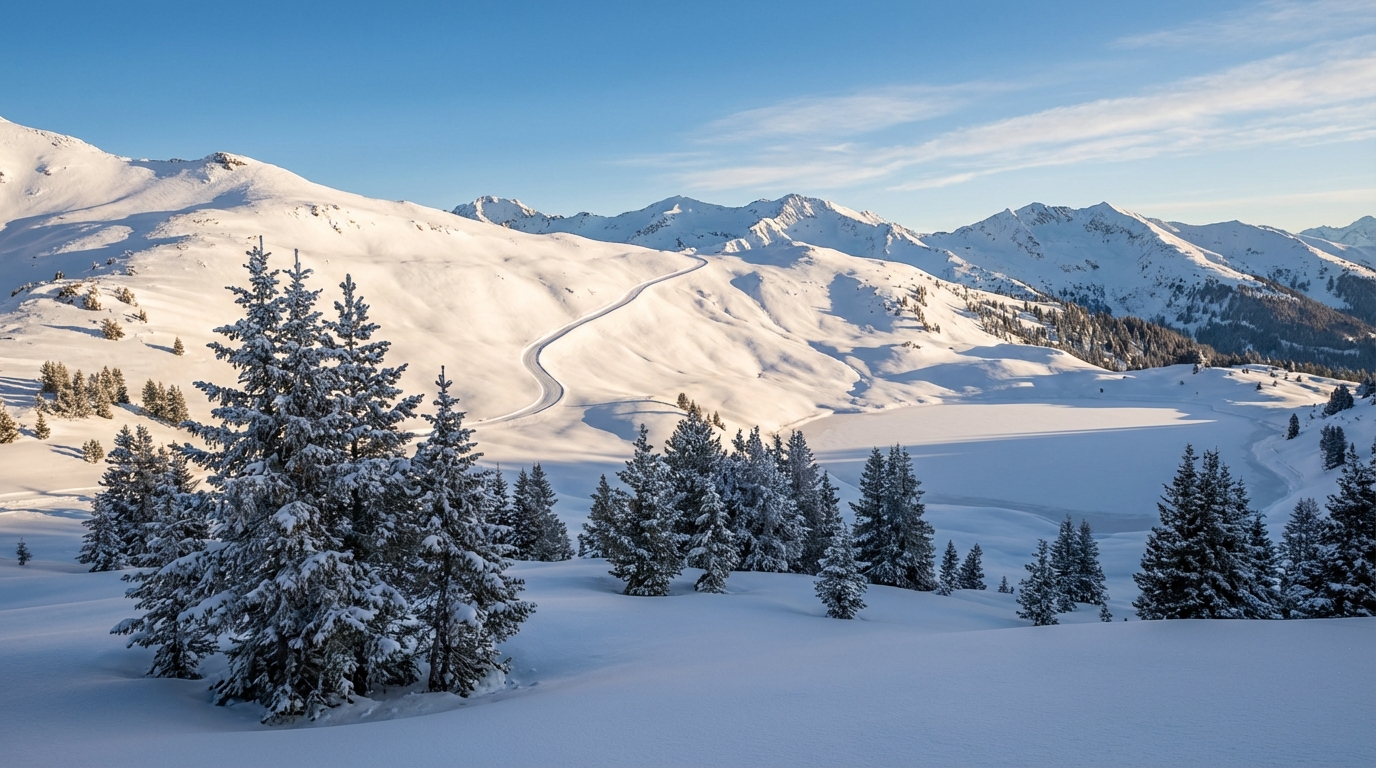
New Hampshire’s sixth-place national ranking for snow activities reflects a strong season driven by sustained cold and snow. The three most critical periods for ski business—Christmas, Martin Luther King Jr./Civil Rights Day, and February school vacation weeks—all enjoyed cooperative weather this season. As of the end of January, skier visits were up approximately 18% overall compared to last year, with 16 ski areas reporting weekly visits. Cranmore Mountain Resort reported business up 9% year to date, with its lighted tubing park up 35% over the same period.
“All in all, it’s been a really exciting ski season so far, and if the weather trend continues, I suspect we’ll continue to see good numbers as the season pushes on,” said Jessyca Keeler, President of Ski NH, in an email statement. She added, “While we don’t track revenues, I have heard on several occasions that revenues have been up as well across business units like lessons, rentals, Food and beverage, tubing, etc.”
This strong winter performance creates tangible opportunities for nearby outdoor hospitality businesses to extend their operating seasons. Outdoor hospitality properties near winter recreation areas have increasingly established year-round operations through winterized facilities and heated restrooms, capturing revenue from the snow sports market rather than limiting income to traditional camping seasons. New Hampshire offers more than 6,000 miles of snowmobile trails statewide, representing an additional draw for winter camping guests. Sustainable infrastructure improvements such as solar installations and water conservation systems increasingly influence booking decisions among environmentally conscious travelers while reducing long-term operational costs.
The hiking and camping sector’s $83 million contribution highlights the economic importance of trail systems and public lands access. “New Hampshire’s trails and backcountry landscapes are not only a cornerstone of the outdoor experience here, they are an important part of the state’s economy. With more than $83 million generated by hiking and camping activities alone, this data highlights how outdoor recreation supports local communities while reinforcing the importance of continued stewardship and investment in the trails and public lands that make these experiences possible,” said Chris Thayer of the Appalachian Mountain Club. “As AMC celebrates 150 years of bringing people together outdoors, we’re reminded that protecting and stewarding these landscapes is essential not only for recreation, but for the communities and economies that depend on them now and in the future.”
With 33,000 jobs and demonstrated employment growth, workforce development presents both a challenge and opportunity for outdoor hospitality operators. Industry observers note that many operators have adopted cross-training approaches to increase operational flexibility during peak periods, while offering housing or RV site accommodations as part of compensation packages has become common for attracting seasonal workers in remote or high-cost areas. Workamper programs, where RV travelers exchange labor for free or discounted campsites, have become a widely adopted staffing model throughout the industry. Digital scheduling tools have gained traction for reducing administrative burden. Partnerships with local hospitality programs at community colleges have created pipelines of trained candidates in some regions, and early recruitment efforts—often three to four months before peak season—have become common practice among operators seeking quality candidates. Some properties have developed advancement pathways from seasonal positions to year-round management roles as a retention strategy.
Industry leaders emphasized the strategic importance of the sector’s continued growth. “Outdoor recreation is not a peripheral sector in New Hampshire; it is a central pillar of our economic landscape. These numbers reinforce what businesses and communities across the state already know: outdoor recreation drives jobs, supports small businesses, and fuels economic activity across New Hampshire,” said Tyler Ray, Director of Granite Outdoor Alliance. “As we look ahead, maintaining our competitive edge will require treating this sector as a strategic economic asset and aligning policy, infrastructure, and workforce systems to support its long-term growth.”
Nationally, outdoor recreation generated $696.7 billion in economic value in 2024. When measured as total economic output—including travel spending, equipment manufacturing, retail activity, and supporting industries—the sector represents approximately $1.3 trillion across the U.S. economy. The Outdoor Recreation Satellite Account was authorized through bipartisan legislation led by U.S. Sen. Jeanne Shaheen to ensure consistent measurement of the industry’s economic impact nationwide.
“New Hampshire’s diverse outdoor spaces are what make the Granite State so special. From the shores of the Seacoast to our Lakes Region and the White Mountains, outdoor recreation enriches local economies, small businesses, and communities across our state. As today’s report makes clear, New Hampshire’s outdoor economy is thriving,” Sen. Shaheen said in response to the federal data. The comprehensive federal analysis, released in coordination with Granite Outdoor Alliance, the NH Office of Outdoor Recreation Industry Development, and Sen. Shaheen’s office, provides policymakers and business leaders with critical metrics to gauge the sector’s value. For outdoor hospitality operators, the data validates continued investment in infrastructure, workforce development, and diversified offerings to capture sustained growth in New Hampshire’s outdoor economy.
