


The Department of the Interior’s new fee structure for international visitors has generated an additional $2.4 million in revenue since the beginning of the year.
The policy update introduced a $100 entry fee for non-U.S. residents visiting 11 popular national parks, alongside a $250 annual pass, according to an article by The Travel.
According to Fox News, total park pass sales reached $16.7 million during the first three months of 2026. This figure represents an increase of more than $2 million compared to the $14.3 million recorded during the same period in the previous year.
While the new fees have drawn mixed reactions from the public, Department of the Interior officials continue to defend the initiative. Secretary Doug Burgum highlighted the purpose of the pricing update.
“These policies ensure that U.S. taxpayers, who already support the National Park System, continue to enjoy affordable access, while international visitors contribute their fair share to maintaining and improving our parks for future generations,” Burgum said.
Department of the Interior Press Secretary Aubrie Spady also praised the new pricing strategy implemented by President Donald J. Trump. She noted the financial and historical significance of the measure.
“The millions of dollars in new revenue generated from this administration’s Non-Resident park passes is proof that President Donald J. Trump was right to put affordability for Americans first as we change how the Department of Interior raises money to support conservation from foreign visitors,” Spady said.
Spady further explained the alignment of the fee structure with upcoming national milestones. She emphasized the broader benefits of the program.
“As we approach our great nation’s 250th birthday, initiatives like America First pricing, along with the addition of the America the Beautiful pass featuring President Trump, are delivering meaningful benefits for both our parks and the American people by celebrating our nation’s history while investing in its future,” Spady said.
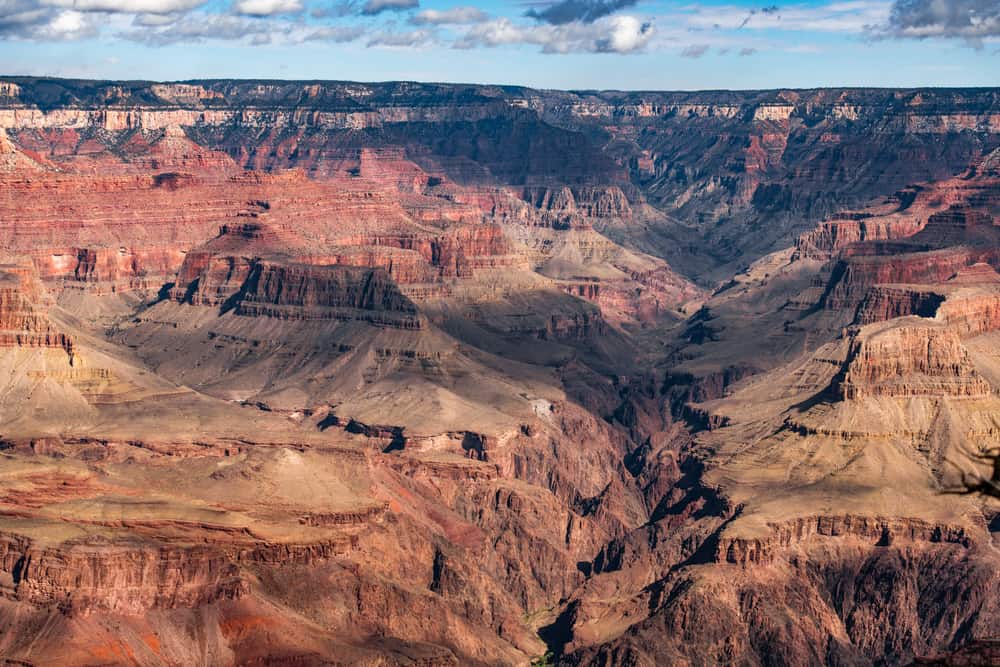
The 11 national parks included in the surcharge are Acadia, Bryce Canyon, Everglades, Glacier, Grand Canyon, Grand Teton, Rocky Mountain, Sequoia & Kings Canyon, Yellowstone, Yosemite, and Zion National Parks. Among these, Grand Canyon National Park sold the highest volume of international passes, followed closely by Yosemite and Zion National Parks.
In January alone, at least 3,177 international passes were sold through cash registers, generating $790,225. Additionally, international travelers accounted for 2,487 digital America the Beautiful passes purchased through Recreation.gov, valued at approximately $621,750.
Despite the revenue increase, some international travelers have expressed frustration over the sudden implementation of the new fees. A prospective visitor planning a trip to the Grand Canyon voiced their concerns on Reddit.
“Hey guys. I was recently looking at the entrance fee for the Grand Canyon and discovered that non-residents pay $100 per person; this is absurd. I’m planning to go around March, and this was something unexpected. Is it really that necessary? Are the passes shown at the entrance? Also, if we go from the south end entrance, could we see/go to Havasupai Falls?”
Other forum users responded to the Reddit inquiry by offering practical advice and solutions to minimize costs. They suggested purchasing the $250 annual pass for groups.
“Solution- get the America the beautiful pass for $250 that covers 4 people.”
Another traveler shared their recent experience to clarify how the pass can be applied across multiple sites. They confirmed that the pass covers up to four adults in a vehicle without additional per-person charges.
“Been to the Grand Canyon about a week ago, also did Canyonlands, Arches, Yosemite, Sequoia and a few others. Non resident with a non resident partner. Can confirm with certainty we “only” paid $250 for the America the beautiful pass and no other fees at all.”
The shifting fee structure is significant for the outdoor recreation and tourism sectors, as it directly influences international visitation patterns, tour logistics, and the economies of regional gateway communities.
