
Outdoor Hospitality News
For owners, operators, team members, and anyone else interested in camping, glamping, or the RV industry.
News for September 24, 2026

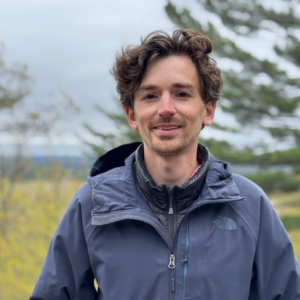

[00:00:00] Brian Searl: Welcome to another episode of MC Fireside Chats. My name’s Brian Searl with Insider Perks on the road at the Wisconsin WACO campground conference.
My internet is in and out if I disappear the show will be great and maybe Jeremy or will take over for me and make it a better show with him talking. But super excited to be here for you.
We are here, I, oh we got Casey. Casey’s gonna join the show, he just popped in behind the scenes there. What’s up, Casey?
[00:00:24] Casey Cochran: Hey, hey. How’s everyone doing?
[00:00:26] Brian Searl: Good, man. So we’re just getting the show started here, excited to have you, obviously welcome. So let’s just go around briefly and introduce ourselves.
Casey, you wanna start? Last but not least to join the show.
[00:00:35] Casey Cochran: Last but least, yeah, sure. Casey Cochran, VP of partnerships here at Campspot. Reservation system and marketplace for the campground and RV space.
[00:00:47] Brian Searl: Awesome. Casey, thanks for being here. Jeremy, you wanna go?
[00:00:50] Jayne Cohen: Me? Jane? Okay. Hi everyone, I’m Jayne Cohen, CEO of Campground Consulting Group.
[00:00:59] Brian Searl: Thanks Jayne for being here. Jeremy?
[00:01:01] Jeremy Johnson: Yeah, hey everybody. My name is Jeremy Johnson, co-owner of Kona Hills Campground located in Marquette, Michigan in the Upper Peninsula.
We’ve got a blizzard going on right now, but we plan on being open in a couple months here. Six or seven weeks.
[00:01:18] Brian Searl: Awesome. Hopefully the blizzard goes away by then. March is a snowy season where I’m usually at right now in Calgary, but seems to be fine here in Wisconsin.
Serg, special guest, one of our special guests for this week.
[00:01:28] Serg Mashkov: Yeah, absolutely. I appreciate being on here. Serg Mashkov here with Lancaster Log Cabins, Director of Sales.
We sell park models across the US. So mainly rustic, log cabins, and then now getting into modern space as well.
[00:01:39] Brian Searl: Awesome. Welcome, sir. And last but not least, Shawn.
[00:01:44] Shawn Verbrugghe: Hey, thanks for having me guys. Shawn from Wanderland Resorts, I’m the founder of this eco adventure resort thing we got going on here in Asheville, North Carolina.
[00:01:55] Brian Searl: Awesome, excited to learn more about it, sir. And we’ll talk to you, Serg, about your cabins as well. So as we typically do at the beginning of the show, for a recurring guests, Jeremy, Jayne, Casey, is there anything that you guys think we should be talking about?
I think at some point I mentioned before the show that I’d like to just at least briefly talk about what might happen if gas prices stay elevated on top of everything else. But is there anything else besides that you guys think we should be talking about since last time we came together? I think I missed the last show, I was deathly ill. You guys were on.
[00:02:22] Jeremy Johnson: Yeah, I’m excited to talk about 2026 in general. Gas prices high or low, I don’t think it matters. I think it’s gonna be a fun year for at least up north and hopefully a lot of other places.
[00:02:34] Brian Searl: Jayne, you got anything?
[00:02:35] Jayne Cohen: Oh yeah, go ahead Casey.
[00:02:37] Casey Cochran: Sorry.
[00:02:37] Jayne Cohen: No, it’s fine.
[00:02:38] Casey Cochran: Yeah, there’s a lot. Obviously the big talk right now is just booking windows shrinking and how once the weather kind of abates, like how that’s going to come back and normalize out in terms of what is the new booking window.
And then, yeah, I think with gas prices where they are, I think people are somewhat accustomed to again, that dollar range or what not. I’ll be curious if it affects actual travel because of how high it’s been and people’s almost like their soft spot or they’ve been hardened to the fact that gas can be 3.50 or it can be 2.50. And I wonder if it’s gonna affect our space at all.
And then the other big thing that a lot of people are talking about is just how they’re leveraging and using AI in their business every day. That seems to be the recurring thing, like even a lot of our enterprise partners and things of that sort is what, I think a lot of people are using it for their personal life, and then how to just more and more incorporate it into the business life. So that seems to be the recurring topic in our world right now.
[00:03:35] Brian Searl: Let’s start briefly with, let’s start briefly with just get it out of the way with the gas prices and everything else. You’ve got a lot of data obviously at Campspot.
I don’t know how much you want to share, but we’ve seen, so we’ve seen Michael tweet publicly, or I always say tweet, but on LinkedIn he posted publicly about the transient business, and I’ll let you fill in what you… I obviously interpreted it seems like what he was saying was transient might be down 10% was what his recent LinkedIn post said.
[00:04:00] Casey Cochran: So year over year, the tough thing with that data set is that a lot of, a lot of those same sites year over year have transitioned to more of the seasonal stays. The idea of occupancy or an occupied site or even the realistically looking at ADR, ADR for those transient sites, a lot of times they’re still able to increase and you’re still seeing overall revenue in some capacity somewhat be able to maintain.
But it’s hard to tell right now because a lot of those reservations that are in that might have had three or four reservations on them already, it’s just gonna have one on there because they’ve transitioned that to a seasonal and they’ve made that, that switch in terms of, hey we’re just gonna take the guaranteed seasonal rate as opposed to the upside of obviously a transient site right.
So I think we’ll, it feels like every week or two, every two right now, there’s kind of new insights to the actual reality of it as opposed to what we’re seeing early in the year.
[00:04:56] Brian Searl: Yeah, I think it’s gonna take a while for us to figure it out. It may be like May or early June before we really understand how the season’s gonna go. But I think like in my mind, my best guess is as long as camping’s fine, I think state parks are fine, I think businesses like Jeremy are fine, and I think the waterfront people are probably gonna be fine.
Outside of that, I’m unsure right now. I’m not saying bad, I’m not saying good, I’m just unsure. I don’t know. It all signs are pointing toward maybe a little bit of a softening. But it’s so early.
[00:05:25] Jeremy Johnson: I know I was talking to an operator down in North Carolina maybe two or three weeks ago who traditionally, I think he’s a newer operator, just like me, he’s been open maybe three years, and he said that he was specifically switching over to more long term stays this year because he was worried about that softening.
He’s not in a beautiful place in North Carolina, but he’s not in a high tourist area. He’s not right outside of a big metro. He’s kind of in this in between and so it ends up being just easier for him to switch over to that long term stay.
So I think that is happening, but I think to your point, Brian, people that are in those classic tourist areas or on a waterfront or high demand… I at least for us, we probably got, and I mean we’re a small campground so it’s not exactly representative but we’ve probably got 250 reservations on the books for 2026 already and it’s March and I’ve got six feet of snow on the ground and another eight inches falling right now.
[00:06:25] Shawn Verbrugghe: I checked out just for my own looking to it, I checked out, we got an Ocean Lakes campground every year, Myrtle Beach, it’s like one of the bigger ones in the country, and they’re booked out all summer. I couldn’t even get a reservation there. Obviously that’s a big one, people book that a long time in advance, but like, I booked at the same time last year and we had no problem. So I don’t know, that could be a good indicator but…
[00:06:51] Casey Cochran: Yeah, depends on where you’re staying. We just onboarded Myrtle Beach Travel Park which is right next to Ocean Lakes again similar, whatever it is, 2000 sites or something. And their main priority is booking for 2027 already. That’s what we’re looking at is those types of bookings. So again relative to where you’re camping and being on the ocean and Myrtle Beach certainly helps.
But I think, I think what some parks, if we could be realistic, I think the days of building, building a park and basically a parking lot and calling it a transient campground to some extent, it’s gonna be hard for those types of properties that don’t have either the amenity or the location or something within its hospitality aspect that makes it unique, there is gonna be a difference there because the demand for that type of camping I think is, there is a vetting period where people are just trying to find places where they camp.
And then as you find more and more, the ones that pay attention to location or that had really good hospitality experience and things of that sort, those are the ones that are gonna continue to win. And if it’s just a parking lot that had some hookups on it, you can call it a transient campground, it’s gonna be, those are gonna be tough to fill on longevity of those types of reservations.
[00:08:02] Brian Searl: Especially as you tamp down your spending, people who might have gone on three camping trips go on two, or three and go on one, then there is more of a, I want to make sure that this one trip is the most magical special place I can make it.
It’s the reason people go to Disney, right? Disney is an almost guaranteed good vacation, so it’s low risk if you’re gonna spend your one vacation there. And so I think that’s where you’re gonna start to see people like the Blue Water down on the oceanfront in Delaware and Maryland, like the Myrtle Beaches, they’re gonna have good seasons still because that’s a more of a certain thing. If that’s my only vacation I’m gonna take, it might be a little bit more expensive but I know it’s gonna be good.
[00:08:41] Jayne Cohen: Yeah, this is Jayne. I agree with all of you that destination locations or more so destination areas, you have continued to do well, even in the past couple of years they’ve continued to do well, and they typically don’t have a lot of extended stay, right? Or seasonals. But there is a trend for more seasonals.
As far as the economy goes, I’ve been in this business for over 50 years and so lived through gas shortages, recessions, or depression if you want to call it, lived through people getting laid off, the collapse of the banks, and at one time I had 13 parks and we always had a better year than the year before. Alright? And not all the parks were located on the water or located in the best locations that were, locations that people were driven to, let’s say.
So I do feel there’s an element, a big element of the operator, the customer service, it’s also an element of what you offer. I think over the years competition has gotten stiffer. There’s a lot of nice parks out there now. In the older days there weren’t a lot of great parks out there. If you were a great, more sophisticated operator, more modern, you really were different than the pack.
I also, I don’t like the word transient. So, I don’t know how you guys feel when we say transient. When I say transient, I think of the parks that are right off the highway. Those are transients, right? People, we have a motorhome, my husband and I, we’re just getting off the road for the night. Right? We’re just at that park because it happens to be where we need to get off the road.
But I think of more either short term guests or long term guests, or vacation type guests. And then of course there’s extended stay that are guests that are living there or guests that are extended stay like a seasonal, a second home. So how do we define? So I think the economy and demand all has to do with what business model you are. These days it’s more temperamental to what business model you are.
In a bad economy or high gas prices, I don’t really think, I think gas has to really go way high before it starts affecting us as an industry. I think it’s a very small part of the equation for what is spent. I feel they’re gonna, they’ll cut out going out to dinner before they’ll cut going on a camping trip period. So they can cook in their rig instead of go out to dinner. So there’s other ways they can make that camping trip become affordable.
[00:11:30] Brian Searl: Yeah, I agree with you. The data is there to back it up. I talked to Scott Bahr about this before how they will cut things like the just going out to eat before they cut the whole travel experience.
I don’t think that gas prices impacts our industry conditionally isolated all by itself as much as some people think it does. But I think gas prices compounded on top of some other things that the economy is currently going through, that’s what worries me more than gas prices itself. Is that fair Jayne or?
[00:11:56] Jayne Cohen: Yeah, I think that’s, I think that’s very fair. But the research also supports that one of the last things that people, that people don’t do is they don’t give up their vacation. They don’t give up their family time.
So they might change how they do it, but they don’t give it up. It’s like, times really have to be bad before they’re gonna give that up in the family. And luckily, we’re that’s the business we’re in, right? And even luckier for us is we’re in an industry that out of all the vacation choices, we’re pretty much the most economical one. And if families need, are on a budget and need to cut things, we have a lot of flexibility with that, right?
[00:12:47] Brian Searl: Our industry does, but like as we released our pricing report like a couple weeks ago, right? And I think the interesting thing there is like the industry itself does have a lot of room to be flexible with pricing.
I think though that if people are trading down, they might trade down from a $60, $80 private campground site to a $20, $30 still full hookup, maybe not as nice pull through back in site at a state park, provincial park, stuff like that, or they go to tent camping where they go, that’s what I’m worried about, the trade, I’m worried about the down of the private campgrounds, not our industry at a macro level.
[00:13:19] Jeremy Johnson: I think I was talking to another friend in Chicago earlier today who invests a little bit more in the luxury stays and there is a luxury property that he’s familiar with that opened up at the beginning of 2026, they opened up their calendar for three years in advance, which they’ve never done before.
Out of the three year opening period that they opened up, they only got about I think it was $26,000 worth of bookings, which they’re a luxury stay and they’re opening for three years in a high demand area, really awesome place. But it was surprising that I think people are just, not necessarily surprising but it was I think revealing how uncertain people are about this year and beyond.
And I think to your point Brian, I personally don’t know anywhere at least in my region of the Upper Peninsula where you can get a campground for 25 bucks a night. That doesn’t exist here anymore. I think our base price is probably 40 dollars and we’re pretty rural. But I think I even see it where we’re, we don’t have RV hookups and we’re seeing people say, you know what, I’m only gonna be there for a weekend, I don’t need to pay 120 dollars for an RV site. I’ll go pay 45, 50 dollars for a tent site and I’ll be just fine.
[00:14:37] Brian Searl: Jayne, any rebuttal or? We’re not trying, I don’t think I’m disagreeing with you Jayne, I’m just curious your thoughts.
[00:14:42] Jayne Cohen: So here’s my thoughts, I disagree. I don’t think, I don’t think we are necessarily a commodity. I think that a price, like I feel like you can get the rate that you want to get, and obviously you have to look at the market depending upon the market that you’re in.
But I just feel that rate is built on value and what your value is. And what your location is. Like one of the places I love to camp is at in KOA in Sugarloaf Key, okay? And they get, their sites are, you can’t get a site for less. The site in the back, the crappiest site in the house is 200 dollars a night and guess what, it’s like full all the time.
[00:15:31] Brian Searl: Yeah, ’cause of your location.
[00:15:35] Jayne Cohen: It’s because of location, yes, but it’s also, there are parks that are in that area that aren’t full like in July because July is not season for them, it’s not high season. It goes back to value and what you offer. And services, customer service.
So I think that is how price is set. I have not believed or never believed that campers are that conscious about the rate at the campground. I think if it’s a campground that they want to go to and a place that they want to be that has the amenities and the facilities that they want, they’re not then pricing it like, oh I could go to this other one for twenty dollars. I don’t, I think where they’re gonna save the twenty dollars a night is save it on something else while they’re camping. I just know that the campgrounds that I’ve owned and operated, my most expensive sites with the most site amenities always had the best occupancies.
[00:16:44] Brian Searl: Jeremy, any thoughts?
[00:16:48] Jeremy Johnson: I’m not, I definitely don’t disagree. I think the value is what people are looking for whether that is in our case it’s nature, it’s being next to trails, it’s being next to the town, it’s being next to water. And so it’s, to me it’s whatever.
I’m, if I’m competing with the RV park down the road, which they, there’s one down the road for me four miles that they are a parking lot off the highway, and their prices are yes they’ve got full hookups but their prices are three times as that I am. I don’t have full hookups but I’m four miles closer to town. I’m right across the street from the water and you’re fully immersed in the woods. Like you’re not in a parking lot.
So I think to Jayne’s point, like the value is there, not just in terms of I’m cheaper, but also you get a better experience. And that’s why I think people are gonna be looking for that value more and more as things get a little tighter.
[00:17:51] Brian Searl: Yeah, I think we’re all agreeing, we’re just saying it in different ways.
[00:17:53] Jayne Cohen: Right.
[00:17:54] Brian Searl: I think whether it’s oceanfront, lakefront, waterfront, amenities, you have to have a difference maker is what, there are, I don’t know what the percentage is, but there are a large percentage of RV parks in the United States that probably don’t have a differentiator.
[00:18:12] Jayne Cohen: Correct.
[00:18:13] Brian Searl: Versus other RV parks. And those are the ones that I’m more worried about than anything else.
[00:18:17] Jeremy Johnson: Yeah. There there is a point where convenience only goes so far. It’s like great, it’s a park four miles out outside of town and they’ve got full hookups and a nice bathhouse maybe. But like, there’s nothing else around you, you’re literally in a parking lot and it’s just like, that’s not gonna be enough value to bring somebody in and keep your park full all summer long or whatever your season is if it’s fall or winter or whatever it may be.
[00:18:46] Brian Searl: Yeah. That’s interesting.
[00:18:48] Serg Mashkov: I’m sorry, go ahead.
[00:18:48] Brian Searl: Go ahead, Serg. No, go, please. The less I talk the better the show is.
[00:18:53] Serg Mashkov: With what you said Jayne, I think is very interesting with us building park models, we’re seeing a massive turn to luxury with any resort RV park that’s opening up where you have bigger sites, it’s all about luxury. Like you said, it’s all about amenities, it’s about providing the value, it’s about providing things to do on site. And there is a big group of people now that we’re working with that are shooting to get 300 to 400 dollars a night at their stays.
And yeah, as Jeremy said like in theory it sounds good. I’m curious how those play out long term. Jeremy knows a somebody that that is open with the luxury stays and the luxury lot, it’s, yeah, does that really pan out? I wonder if it’s too big of a gap from the luxury that we’re seeing that people are going after and what more people are used to. I just wonder if that gap will fill.
‘Cause a lot of what we’re seeing is bent towards luxury. There’s a lot of parks that are developing that we’re working with and it’s all about luxury. It’s queen beds aren’t big enough anymore, it’s got to be king. It needs to have water outside, it needs to have X, Y, Z. So I am really curious how those parks do long term with these price changes in gas and how the market goes. Yeah. I mean that that being said…
[00:20:03] Jayne Cohen: I think it’s because… oh, go ahead. No, go ahead.
[00:20:07] Serg Mashkov: You’re good Jayne, go ahead.
[00:20:08] Jayne Cohen: I think it’s we’re no longer, campgrounds no longer just cater to campers. We have rental units, all types of rental units now. So we really cater to the general public as well. There was, I’ve been around long enough to we were one of the first campgrounds at our New Hampshire property to have a cabin.
And back then it was, it was your rustic cabin, right? So it had the little kitchenette and Serg, I’m sure you, I know you guys still sell. Lancaster is one of our favorite cabins that we recommend people. But I know that, and then all of a sudden my dad and I talked about let’s have a deluxe cabin. And the deluxe cabin had like more of a kitchen and had more a, had a bathroom. Wow, there’s a novel concept.
And then all of a sudden nobody wanted to rent my rustic cabins. All my rustic people, even though they were two to three times the price, moved into my deluxe cabins. Okay? And all of a sudden I had all these rustic cabins. I got to a point where they didn’t even rent. I had to add onto them and add a bathroom. And then they became the greatest thing since sliced bread because they had that bathroom, they were smaller than the deluxes.
But I think that it again, it goes back to value and I think like being in a beautiful cabin at a beautiful facility that has the right amenities for the market and also has the customer service, it’s not just about the site. Like that luxury park, like where is it missing the mark? Is it just way overpriced, or does it not, does it what it offers not support the value? Where is it, how is their marketing? There’s so many things that go into why that park might not be full.
And I do want to add that even with the best of parks, we probably are the firm that do the most development of any consulting firms out there. And everybody thinks when they open their doors they’re gonna be like 40, 50% full. Which by the way 40 or 50% full annually doesn’t happen. It very rarely happens. It’s 40% annualized is pretty much stabilization at a park. 28% annualized is every weekend is full. So when you talk occupancy, people usually that’s a number in financial models that they miss. They overestimate it all the time.
[00:22:52] Shawn Verbrugghe: I’d love to chime in here because we’re new and I did two or three years of homework before I decided to get into this. And one of the things that was helpful was going to the glamping show a couple years ago. My takeaway from that was that people wanted three things. They wanted uniqueness in their stay, not necessarily luxury, but uniqueness. They wanted privacy. Because like at the show we stayed in glamping tents like this to just parking lot where you could hear everybody doing everything. It was not what you want at your place.
And then three, people are looking for more sustainability. And what does that mean? You could go into that in many different realms. Which was great because I was like, great, these were the things that we were planning on doing. And these were the things I had baked into my model that we launched right after that.
And so what we have seen, ’cause we only been open for like eight months, is that so we have tent camping, vehicle camping, glamping, and like high end villas. So we support the whole market if you will, but it’s for a certain type of person. We’re looking for outdoor adventure people, creative people, and stuff like that.
Our glamping is booking the most. And it’s very short windows, like where they’re booking day of, a week out, sometimes two weeks out. It’s very different than I would have thought. But again we’re trying to just market to a avatar type as opposed to a dollar amount in phase one so that we can then take our learning from that into phase one to figure out like what do we really want to build based upon what people are using.
And then just to top it all off, for every two bookings, we get one phone call about events. Because we have a big open space and everything. So if I were to open up another place right now or talk to somebody about it I’d be like, make sure you can host events there because we’re booking out complete weekends or weeks by having that capability.
[00:25:10] Jeremy Johnson: Shawn, in your case, you said your glamping units are booking the most, does that change your plans for phase two? Did you think something else would book more than the glamping units originally?
[00:25:20] Shawn Verbrugghe: Originally I thought that the cabins or the villas would be, but these are like 3 to 400 dollars a night. And… The good news is we have more glamping. As a business owner, it makes sense financially to build glamping because it costs less. Right. And it’s not like the villa costs five times more to build but you don’t charge five times more for it. So there’s that delta there.
But as like a business owner, the villas are more of an asset. So the entire property is worth more and there’s less maintenance on them. Like these tents, like ours are like very custom, high end tents that we’ve made ourselves. And yeah, they’re really cool. But also like if something goes wrong, we gotta rebuild them and start from scratch. And so replicating them is just not really a possibility there. Yeah.
And so we’re starting to test out like we have one just like straight up bell tent with kitschy contents and look and feel, nice like foresty stuff inside and everything. But that’s a lower price point sitting in the middle between the glamping and the tent camping. And so that one’s booking decently, but the unique glamping stays are booking the best right now.
[00:26:44] Jeremy Johnson: Interesting. I’m going through the same process right now. I’m looking at building four cabins for my next phase, but every day I wonder, should I just go glamping tents first because those are more economical to build? But then to your point, they’re not exactly assets compared to the cabins. It’s harder to get a bank loan on glamping units. So it’s an interesting dilemma to be in.
[00:27:07] Shawn Verbrugghe: I did it ’cause I had to do it because I presented a deck to my lender and said this is what I plan on building. Yeah. So I had to build that. But yeah, it will definitely influence phase two. But we’re gonna let it ride out for a couple years and see how things go.
[00:27:24] Jeremy Johnson: Serg, what do you think? Glamping or cabins? What do you prefer?
[00:27:26] Serg Mashkov: I was trying to stay out of it. I had my unbiased opinion. Now I was curious Shawn, where are you guys based at? Where is your site located?
[00:27:35] Shawn Verbrugghe: We’re 30 minutes east of Asheville in Old Fort. Okay. It’s like a mountain biking trail town basically. And so probably capitalize on that a little bit.
[00:27:45] Serg Mashkov: So you guys are catering to a very outdoorsy crowd, as far as, is that correct?
[00:27:50] Shawn Verbrugghe: Pretty much everybody comes to us to be like a base camp or a retreat get away kind of place.
[00:27:58] Serg Mashkov: Yeah, ’cause I think to Jayne’s point earlier, it is interesting to see it. Jeremy, sounds like you’re catering to a similar crowd as well where you guys are located in very nature outdoors people, you’re probably not getting a ton of like people from New York City that like want the camping experience very polished and without the mess, without all the work. And it is catering to a crowd that’s completely that you guys sounds like cater to. Jayne, some of your sites, do you guys have a range or how do you guys view that where you’re finding your ideal client for, for your camp ground? Do you start with…
[00:28:31] Jayne Cohen: Yeah. Definitely. I’m actually very big on having ranges, right? And more so about having ranges, financially for the owner, it makes a lot, it’s a way to pick up extra dollars for no reason at all. So in other words, stratification of cabins, sites, tents, glamping, every unit that you have, should be on a good, better, best kind of system, right? Based on the size, the location.
It is very, honestly it’s really subjective, but if you have a row of sites that are premium sites, even amongst those premium, some of them should get a better rate or higher rate or have to drive a higher ADR than, if you have a row, the sites in the premiums in the middle, should be rated less than the premiums at the end.
And the same thing with the cabins and it’s just a way to add extra money to your bottom line right out the gate. And there’s no rhyme or reason for some, people accept it and it’s acceptable because it’s a better location or it’s closer to the pool or whatever it is, it’s a tent that’s more so out in the woods in a more natural setting, so it gets… it’s like in a hotel, if you get a waterfront room, it’s more money than if you get a room that faces the parking lot.
And because nowadays, and I know I keep saying nowadays, but when you’ve been in the industry for, like, five decades, you’ve seen a lot of changes. I was in the industry back in the day where we used to do reservations on a board. And then we, then we became, we did it in a book and you could actually take the book home with you at night, so I could answer the phone at night because I had the reservation system with me. It wasn’t on a board anymore, it was in a book.
And then we went to property management systems, which were nothing like what they are today. So that’s enabled us to be able to have rates that change and rates that are dynamic pricing. But I think, Shawn, for everyone, it goes back to, you can’t have the mentality of if I build it, they will come. Because that’s not the mentality anymore. The mentality has to be, what is the market, and you build to the market. Okay? Or maybe you find out you shouldn’t build at all in that location. And so I think feasibility studies…
Yeah, when we build new developments and Shawn, I think you’re right on, I am a big fan of phasing a new development because then you have your test market, you have your testing ground and you have proof of concept, right? And as long as you build in your master plan that you can pivot, that’s the smartest way to go.
And let the market, because the best research that any of us can do, I can guarantee only one thing, it will not be absolutely right. And so, giving yourself the ability to pivot is wonderful. Wonderful. That’s a great idea.
But I do think glamping is, glamping went on steroids with COVID and glamping is a concept. I think there’s many different types of glamping, there’s, there’s… but I think maybe a true glamper who really is looking for just a glamping experience, is really looking, Shawn, what you’re saying, more of that unique experience and the environment, not one right after another, not one next to each other, that type of thing. I think that becomes very important.
[00:32:05] Shawn Verbrugghe: Yeah. And one of my reasons for even doing this thing was to try to bring sustainability into this industry in a bigger way, but also to give, to kind of showcase what experiential hospitality could be. And so Shara asked me like what would you talk about if you were to just talk about glamping? I was, I said, our goal is to really dive into what you can offer on an experiential level, which I call programming.
And we haven’t set up our programming yet, like we’re just in, we just got set up to do like overnights. That’s phase one. Part one, part two is, you know like, for us, it’s okay, what’s around us, right? There’s all these waterfalls and hikes and mountain biking, so it’s creating the tour partnerships and the ride directors and itineraries and all that stuff.
And then what’s inside the park, right? And this is where it gets really fun for me because I have a background in experience design and we can, so we really want to showcase like what’s possible. And some of the things that we’re working on is night time like blackout foraging tours. So you have night goggles take people through this really diverse forest that we have and go foraging in the pitch black night time, and it hasn’t really been done before.
And then we’ve got a trail, we call it the soul trail, which is designed so that when people get there, it’s just like a little loop through a cool rhododendron forest maybe like 15, 20 minutes, but it’s designed to disconnect people from when they pulled in the parking lot whatever they came with mentally, to disconnect and reframe this for them so that they can kind of reset.
It’s got little stations in it as if it were like an art gallery, and you go through and each station connects you with one of your senses, like the five or six senses, whatever you want to call it. And by the time you get done, and you don’t take your cell phone in there, that’s the other thing. We’re trying to get people to get off their phones. We don’t have Wi-Fi in a big portion of our park.
And we’re really trying to do a reset, to connect people with other like-minded people, that’s the obvious one, but really reconnect them with nature and their senses and their mental clarity. And then connect them with whoever they came with depending upon what type of trip it is.
And so I think that is what’s going to capture people. I don’t care what you have, if it’s a tent, a cabin, a mansion, I think if you can do experiential things then that, that is the way. So I don’t really have a good answer to your question but that’s what I actually look at.
[00:35:00] Serg Mashkov: Yeah, and I think that’s the way the world is going in terms of the younger generation spending their money. That’s who we’re going after because that’s what we want to be able to offer.
[00:35:08] Brian Searl: Yeah, I think that’s what Jayne, yeah I think that’s what Jayne is really saying, I’m putting words in your mouth Jayne, you tell me if I’m wrong, but again the thought that Shawn is putting into his park, the experience and it just besides the accommodations, if you market that well, and you’ve obviously assuming you do, and you’ve done your research in your location and the people in your area and the demand is there, that is, you’ve supercharged your glamping tents and everything else you have right off the bat going into phase one. Then I think you’re not an operator I’m worried about in 2026, right?
[00:35:34] Jayne Cohen: Exactly. No, and that Brian, yes, that’s what I mean. It’s the whole package put together. And your, and Shawn’s right, that’s what folks go for is the experience. Not everybody wants the same experience, but that’s why you have to understand your market and understand who you are. And what you are offering. I think that programming or activities or recreations, whatever you want to call it, I think that’s very important to people. And some are more passive and some are more active. So it just depends what that experience is and what your guest is looking for.
[00:36:15] Brian Searl: But also again, just like the activity has to be something different, I think. Like what Shawn was talking about, right? It can’t just be like, oh, I’ve got a gem mining sluice, like everybody else has, I’ve got mini golf, like everybody else has, I’ve got a pool, like everybody else has. Like, in these times when it did work for 40, 50, 60 years, it worked fine. You just have a pool like everybody else.
[00:36:35] Jayne Cohen: But now it’s expected. You do, and now there’s like things that are just expected to have.
Wi-Fi, for instance, Wi-Fi is a utility now. Okay, it used to be like, oh wow, we have Wi-Fi. Not anymore. If you have water, sewer, electric, you got, you’ve got to have Wi-Fi. That is, is a utility.
So as we go down that path and create these experiences, those folks and and some people go to these places because of the experiences that you offer, that’s your hook. Because your location might not be a place that everybody wants to naturally drive to. But if you create a great, unique experience, they will drive there to go to it, go for it.
[00:37:00] Jeremy Johnson: Shawn, I’m curious. You said you didn’t have Wi-Fi down in a big part of your park, intentionally. But what kind of reaction have you gotten from people to that? Are people upset or are people just fully accepting of it?
[00:37:00] Shawn Verbrugghe: Fully accepting. If it is communicated from step one. So that when they arrive there, they understand that they don’t have Wi-Fi in their specific unit, but if they want it, there’s plenty, there’s a big kind of common area that has super high-speed whatever, right? And I think that matters a lot to be able to tell people, hey, this doesn’t exist out here, and I know people are wanting to disconnect and they do, but they want to make sure that they have some Wi-Fi nearby, just out of a necessity essentially at this point.
[00:37:08] Jayne Cohen: But they wouldn’t have Wi-Fi like in their cabin space, and then if you go back to your tent, yeah.
But you have to have it available. If you just said, we don’t have Wi-Fi at all, we just give us your phones at the door, there would be people that would want to do that. But my guess would be most guests, even though they say they want to disconnect, they still want Wi-Fi there.
[00:37:30] Shawn Verbrugghe: We’re gonna, we’re gonna play around with it. We’re doing like our first digital detox weekend, which is just like a retreat this summer, and it’ll be interesting. I actually like to see how it works out, but it is literally like collect the phones when you check in. So also know what you’re signing up for. It’s very clear.
[00:37:45] Jayne Cohen: Right. Exactly. So the people that…
[00:37:48] Shawn Verbrugghe: Yeah.
[00:37:49] Jayne Cohen: Exactly. The people that, like you said, that they know that’s why they’re coming there for that weekend. It’s like if you had a yoga retreat and you went after people that wanted to come for yoga, it would be the same, kind of difference.
[00:38:04] Jeremy Johnson: I think, Shawn, you’re probably similar to us in this. Like our amenities aren’t necessarily… I guess to your point, Jayne, they’re utilities at this point. But our, our amenities aren’t electric, sewer, Wi-Fi even. Our amenities are that we’re right next to 300 miles of mountain biking trails, and you can literally get on those trails from your campsite. Those are our amenities, and those are why people are coming to us.
[00:38:29] Serg Mashkov: Yeah. And you know, we…
[00:38:33] Jayne Cohen: Yeah, that is, as you guys were talking about like Myrtle Beach, right, and we talked to the client down there that wants beach fronts, that’s looking to add cabins and, yeah, there, there’s no more land though. And I keep saying, that’s it though. They’re able to do and able to stay full cause they can’t add any. Anybody else can’t add any. There’s no other property to buy there to build an RV site unless you want to drop 20 million.
But yeah, I do think there is such a difference as you’re saying Brian, with these sites, these your campgrounds and RV parks that don’t have a built in destination. Like Jeremy, like you were talking about mountain biking right there or having water front, that’s obviously a huge amenity, people want that.
So when you don’t have it, right, where you don’t have the destination, the natural beauty built in where you’re just on a piece of land with a state park right next to it or some big nature kind of centerpiece you can revolve your campground or RV park around. So yeah, exactly right, has to be a lot more creativity to elevate that experience.
[00:42:13] Brian Searl: Yeah, I like it. Like, I hope the industry is pushed more toward creativity, because there’s so much beautiful land that I think is underutilized. Like, just like, to your point, talking about, Jeremy, you have an underutilized piece of land, but just the trails nearby that you could take advantage of that most people don’t even think about. Because people have just showed up in RV parks for 40, 50, 60 years. It worked fine. Just have a pool like everybody else.
[00:42:29] Jayne Cohen: But now it’s changing.
You do. And now there’s like, things that are just expected to have. Wi-Fi, for instance, Wi-Fi is a utility now. Okay? It used to be like, “Oh wow, we have Wi-Fi.” Not anymore. If you have water, sewer, electric, you’ve got to have Wi-Fi. That is a utility.
So as we go down that path and create these experiences, those folks and some people go to these places because of the experiences that you offer. That’s your hook. Because your location might not be a place that everybody wants to naturally drive to. But if you create a great unique experience, they will drive there to go for it.
[00:42:32] Jeremy Johnson: Yeah. So I think this push is, it pushes the industry in a really great direction. That was our reason for doing it. We found this 80 acres at the edge of town that was absolutely underutilized and was an old quarry site. And people, locals, knew about it and used it, and unfortunately were trespassing on private land not before we bought it.
But even as somebody who grew up here, I didn’t really know about it. And so it was like, hey, why is this beautiful piece of land with all these awesome amenities, natural amenities, not being utilized? And that was something that drove us to do it.
And also at the same time it was solving a problem locally because we have so much inherent tourism here and these tourists had nowhere to go. I think we’ve talked about it previously, but the city of Marquette actually just enacted a ban on camping overnight in city limits last year because so many people are coming here and they have nowhere to go.
So every Friday and Saturday night in the summer I get a phone call saying, please tell me you’ve got occupancy, I’m coming from 40 miles away. And I’m like, call the next town. I don’t have occupancy and neither do the other three people in Marquette. You gotta go, you gotta go another 40 minutes west.
So that’s, I think there is like a real benefit to some of these places beyond just like the natural side, but also just like giving a place for people to be and experience local culture without, this might sound dramatic, but without tearing it down and ruining it for the locals. You don’t want people camping in your neighborhood and disrupting your everyday life. You want a purpose built place for people to be at.
[00:44:17] Brian Searl: All right, let’s spend the last few minutes, we’re going to go around, we do this usually to end the show whenever I remember to do it. Just everybody gets to ask one question of somebody else, but once you ask one question you’re eliminated. In other words, somebody asks Jayne a question, everybody else probably will do, because she’s super smart, has been here for so many years. But so Jayne, you want to start? Just ask anybody, just ask Shawn, Serg, or Jeremy a question. Anything you want to know.
[00:44:42] Jayne Cohen: Yeah. Yes. I’m going to ask Serg a question. Put him on the spot. What do you as, as a cabin manufacturer, what do you see as any new, new types of cabins or new types of amenities in cabins or where do you think cabins are going now? Because we’re starting to see different designs and different things and where do you think they’re going in this industry?
[00:45:13] Serg Mashkov: Yeah, I think huge push has been, yeah, like you said, elevating your experience when you go from your little rustic stay to a bigger, more grand cabin with a bath and things. I think that elevation of luxury is just constantly going up where I’m having to re-look at our options, we’re adding more luxurious options now, we’re swapping out from a very simple shower to people wanna, they want the glass door and the tile now in their stay.
And it really is, I think it’s just this we’re getting to a place where you can’t, there is no room for laziness anymore. You’re either you’re growing or you’re dying I think in the industry now more than ever like you said Brian, because you have to be creative. Like just doing enough is not enough anymore. You have to do more than enough, you have to constantly try to elevate what you’re doing because if you’re not, your neighbor is.
So yeah, I think the modern push has been really big the last few years and that’s why we’re actually in the middle of rebranding right now from Lancaster Log Cabins to Lancaster Cabins. Because we’ll still do the rustic cabins, we did almost 680 last year. So we’ll still do that, but there’s just been this huge push towards, you guys have seen it, Shawn, you would have seen it at the Glamping Show, all the glass cabins, all these epic experiential cabins, the Instagrammable, Pinterest-worthy stays is I think what the market’s kind of demanding now is that Instagram-worthy stay out there.
Oh, I went and, like you said Shawn, we did this night experience, you want to showcase what they did or showcase their experience. That’s the same thing with the cabins now, is they don’t want just a cabin, they want an epic cabin that you can take your Pinterest, Instagram photo with and show it off to your friends. Because it is a different market now. It’s not just campers or people that are RVers doing it. It’s people that kind of wanna dabble, that are used to the city life and wanna go do something like that, but roughing it in a log cabin is not maybe not their forte, but they still want to get out. So that’s what we’re seeing, a lot of that, a modern push.
[00:47:14] Brian Searl: Alright Serg, it’s your turn to ask a question before you do though, I want to tell you to just go back and pitch this to Dan after the show, the best money you will ever spend if you want to get into different types of cabin design is go to the SETT conference, S E T T. It’s in Montpellier, France and it’s like 20,000 people attend, but they have the most amazing crazy there’s two huge indoor epic, like there’s hundreds of cabins set up from different manufacturers, and they’re the most unique things.
There was a circular one where the door slides open 180 degrees from the bedroom and you can step out to nature. So if you want inspiration or things to do like that is the best conference to go to I’ve ever been to. And it happens I want to say it’s in October.
[00:47:55] Serg Mashkov: But all of what we’re seeing too is we’ve seen that there is that modern push, but some of the price, our goal is to price it at a price it at a point where, again, it’s a business, people are trying to make money. You’re looking at it just like you said Shawn, you could buy your, your glamping tent for whatever it may be, 10, 15 grand, or you can buy a cabin for 60, 70, you’re not renting them for triple or quadruple the amount.
So same with the modern cabin, I think it is tough though, from what I’ve seen some of the prices are very high and I do wonder again for people like Jane or Shawn, looking at a return on investment on that too. So our goal is to get into that modern space at a very low cost compared to the competition. That’s our goal.
[00:48:43] Brian Searl: To steal the inspiration from the Europeans is what I’m saying. And you do it a little differently here.
[00:48:48] Serg Mashkov: Yeah. I might have to tell Dan. I might have to deal with my wife going to France though.
[00:48:51] Brian Searl: Yeah, of course. Obviously.
[00:48:53] Serg Mashkov: Yeah, it’s necessary.
[00:48:54] Brian Searl: So Serg, who do you want to ask a question to?
[00:48:57] Serg Mashkov: Yeah, Shawn, I’m actually curious with what you guys are doing very experience focused, have you guys found that your market is, have you felt any constraints to the size of your market with being so unique and experience focused or what you’re trying to create, has that, do you feel like that’s limiting you at all or…
[00:49:17] Shawn Verbrugghe: No, just because we’re new, but my methodology on this is, look, I’ve studied Walt Disney for my whole life. He created something really unique and people loved it. So that’s proof that you can step outside of the boxes that we’ve been told to play in, right? And the Cirque du Soleils of the world, right?
There’s, and so I’ve done other, like tour company and other things that are very specialized and unique, some of them are trendy and some of them trend out and some of them have a bell curve. But I think if you’re able to be malleable and flex and pivot, then that is the way. So I don’t really have a good answer to your question, but that’s why I push it up.
[00:50:10] Brian Searl: Alright Shawn, to Jayne or Jeremy, would you like to ask a question to…
[00:50:15] Shawn Verbrugghe: I was going to ask a question to you. Can I ask a question to you?
[00:50:17] Brian Searl: I guess. I’m not really smart, but you can try.
[00:50:21] Shawn Verbrugghe: You’re a marketing guy though, right?
[00:50:23] Brian Searl: Yeah, I am a marketing guy.
[00:50:24] Shawn Verbrugghe: Okay. So if you had five grand to market your fairly new, I’m just pulling a number out of thin air, but to market a fairly new business, how would you think that five grand would be best spent?
[00:50:43] Brian Searl: What’s your patience tolerance? Do you need guests tomorrow or do you need guests in six months or perpetually for long term?
[00:50:49] Shawn Verbrugghe: Yeah, I think it’s more of a long term play.
[00:50:52] Brian Searl: Probably branding. Like I would focus on making sure like that what you’re creating, all the things you’re creating that are unique, the trail and the disconnection and the special weekends and everything you’re doing with your amenities, I think it needs to be communicated to your guests in a way that allows them to appreciate the enhanced elevated experience they’re going to get before they get to your property. That’s not an overnight thing.
So that’s why I asked. If you would have said overnight, I would have said Google Ads. But if you’re willing to have the patience to build that brand up that will set you up for long term success over multiple years, then that’s what I think you need to do to communicate that. And that includes not just on your website and social media, but that means making sure that how you’re represented in AI is the same way. How does AI talk about your property? Does it communicate the same things? And if it doesn’t then there’s ways you can steer that through press releases and stuff like that, but brand.
[00:51:45] Shawn Verbrugghe: Cool man. Appreciate it.
[00:51:47] Brian Searl: All right, Jeremy, Jayne, or Shawn, would you like to ask a question too.
[00:51:52] Jeremy Johnson: I’m asking a question the want to. Shawn just got asked a question so I think I got to ask Jayne a question now.
[00:51:58] Brian Searl: Yeah. Please asked Shawn a question. Oh yeah. Oh didn’t Shawn did somebody sell to the. Okay yeah yeah all right so just Jayne so sorry you’re you’re stuck with the most brilliant one.
[00:52:07] Jeremy Johnson: Jayne I’m curious you said you’ve been doing this for 50 years I have a two part question one how many projects have you worked on and two what was your favorite project.
[00:52:19] Jayne Cohen: My favorite project. So like when you have children you can’t pick your favorite, but I will tell you, because you told me about the quarry, I will tell you in Maysville, North Carolina, we just finished, we completed phase one of a five phase project that was a quarry. And we’re revitalizing the property, right, with the lakes, it has three lakes and quarry lakes, and interesting enough how you said that like they have high cliffs, right, higher cliff drops to the lakes.
And it’s just a beautiful, it’s 150 acres, three lakes, and we took the property, the old quarry and turned it into a camping resort. And it’s going to eventually be 650 sites. It is phase one, phase yeah, it’s a big mother. We have, we built 135 sites, we have cabins, because it’s so big and because we master planned it, we have park model sales, we have cabins that we rent, we have annual and monthly sites, and we have a whole vacation area.
And in phase one we put in the first pool, which is a very modest pool, we put in a gorgeous bathhouse with all private rooms, and a pavilion and a playground, we’re adding a jumping pillow I believe this year, and we built the beach area. That was just a really exciting project because I was on that project from the dirt till opening. Dirt, I call it dirt till done, we’ve actually done a case study on it, we did it for OHIV last fall, we presented it.
So that was really a fun project. I’m working on another project now, totally different, that is going to be very high end. And we’re going to actually sell lot sales, which Brian, you might want to have a session on this. Lot sale parks are coming back.
[00:54:30] Brian Searl: Okay, I agree with that. Yeah.
[00:54:32] Jayne Cohen: Lot sale parks are coming back. This past year I’ve done in 2025 I did four separate studies that were lot sales. I probably haven’t done a study on a lot sale park for eight years. So they’re coming back. And this is a new one that we’re starting and it’s going to have marina slips and fancy, fancy sites with covers for the motorhomes, and a place to park your motorhome with a cover, and then the big motor coach house, and beautiful outdoor kitchens, lot of outdoor living involved and so that’s been another exciting project.
The fun thing for me is when I was a park owner, we never had enough money, we had way more ideas than we had money, or loans that the bank would loan us. Okay, so we had way more ideas, it was easy, my dad always used to say, put together your wish list for the year and I could put together a couple million dollars in a snap. And we never had enough to do it. And now the fun part is working with some of the new folks that are coming in that are developers, we’re building things that I only got to dream about when I was an owner.
But like Jeremy, like you and Shawn, my park was built in stages. And okay we have a couple hundred thousand, had a good year, we got a couple hundred thousand dollars to reinvest into the park. What are we going to do with it? What’s going to bring us the most business? So I completely understand, I was 38 years there at the front desk cleaning cabins, doing whatever I had to do to make it happen.
So I completely get what you guys are doing and get and it’s I’m still working because I love this industry. And I’ve never had to get up to go to a job. I’ve always loved getting up and going into the campground in the morning. Yeah. There were very aggravating days, don’t get me wrong. But so when I see Shawn and Jeremy, see what you’re doing and what you talk about like it makes me want to go visit your properties. So I hope someday I could come there in my I have an airstream atlas van, I’d love to come.
[00:56:42] Shawn Verbrugghe: I love that Jayne.
[00:56:46] Jeremy Johnson: Yeah.
[00:56:47] Jayne Cohen: That’s one of the benefits I get to visit a lot of parks. And I’ve probably, you asked how many parks, I had 13 parks that I actually either owned or operated at one time across the country. And since I’ve been consulting since 2011, I’ve seen and worked with thousands of parks and and just seen the experience from myself and for the industry.
Like I could never have dreamed of in 2011 when I said I was going to go out and consulting, a lot of people told me you’ll never make it as a consultant, this isn’t an industry that needs consulting. And then all of a sudden this industry just boomed and changed and it’s just so exciting. So you guys are entering it at such an exciting time. The sky’s the limit. In my opinion. Sky’s the limit. Camping’s not going away. The young generation loves us. We just need to find out what they really love and what they really want and what they’re passionate about. And this industry is going to
[00:57:47] Brian Searl: Yeah, the young generation loves the outdoors, for sure. They just, they’re just nervous about the Gen Z’s, they’re nervous about getting out here. We got to welcome them. We got to change how we’re pitching it. But that’s a whole other discussion. We’re a few minutes over, so I want to wrap up.
Jayne, remind me about lot sales, and we’ll talk about it, briefly on the show, or whatever we need to do next, next month when we’re all back together. I will forget. So I’m counting on you as the young one in the group to remember this. Let’s wrap up the show for now.
Jeremy, where can they find out more about your campground and everything if they wanted to learn more.
[00:58:14] Jeremy Johnson: campkonahills.com or you can if you want to get in touch directly you can always find me on LinkedIn.
I think Brian might.
[00:58:24] Jayne Cohen: You can find me at.
[00:58:26] Serg Mashkov: We lost him.
[00:58:27] Jeremy Johnson: Go ahead Jayne. Keep it going.
[00:58:32] Jayne Cohen: campgroundconsultinggroup.com. Just Google it or AI it.
[00:58:41] Shawn Verbrugghe: Looks like Brian checked out. We’re at wunderlandresort.com that’s Wunderland with a U and I am Shawn Verbrugghe on LinkedIn.
[00:58:53] Serg Mashkov: Awesome. How about Lancaster log cabins yeah close to becoming Lancaster cabins so hopefully in a few months here make that transition.
[00:59:02] Jeremy Johnson: Nice cool.
[00:59:04] Serg Mashkov: All right guess we’re all in charge of the show now
[00:59:08] Jeremy Johnson: I think we say goodbye for Brian.
[00:59:10] Serg Mashkov: Yeah. Nice to meet you all.
[00:59:14] Jeremy Johnson: Yeah. Take care we’ll see you next time.
[00:59:17] Jayne Cohen: See you next month.
[00:59:18] Shawn Verbrugghe: Yeah. Bye.