

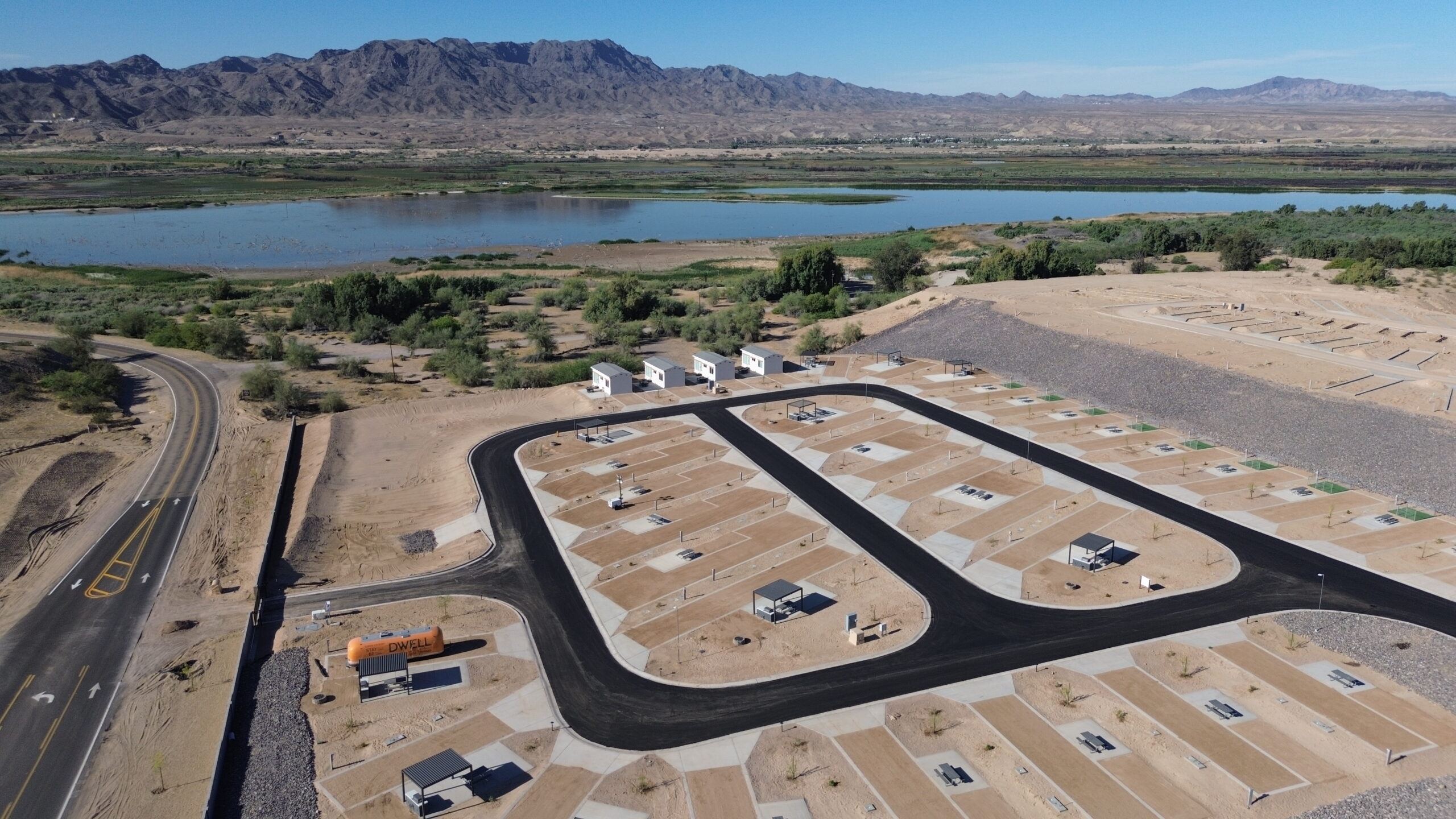

The rugged landscape of the Mojave Desert is getting a modern makeover as Dwell RV Resort & Casita Cabins prepares for its highly anticipated arrival in the Lake Havasu recreation corridor.
Currently accepting reservations for May 2026 stays, the property is positioning itself as a “refined desert escape.” In an exclusive interview with Modern Campground, McKay Quinn, president of Dwell Outdoor Hospitality, describes the project as an intentional departure from the “old and tired” properties currently lining the Colorado River.
The resort’s design-forward approach was born from an extensive tour of existing regional campgrounds.
Redefining the Glamping Experience
Quinn and his team identified a significant gap in the market for high-end, luxurious accommodations despite high occupancy rates at neighboring sites. This insight led to the creation of a “southwestern modern resort” that integrates high-quality landscaping and striking views of Topock Bay and the surrounding mountains.
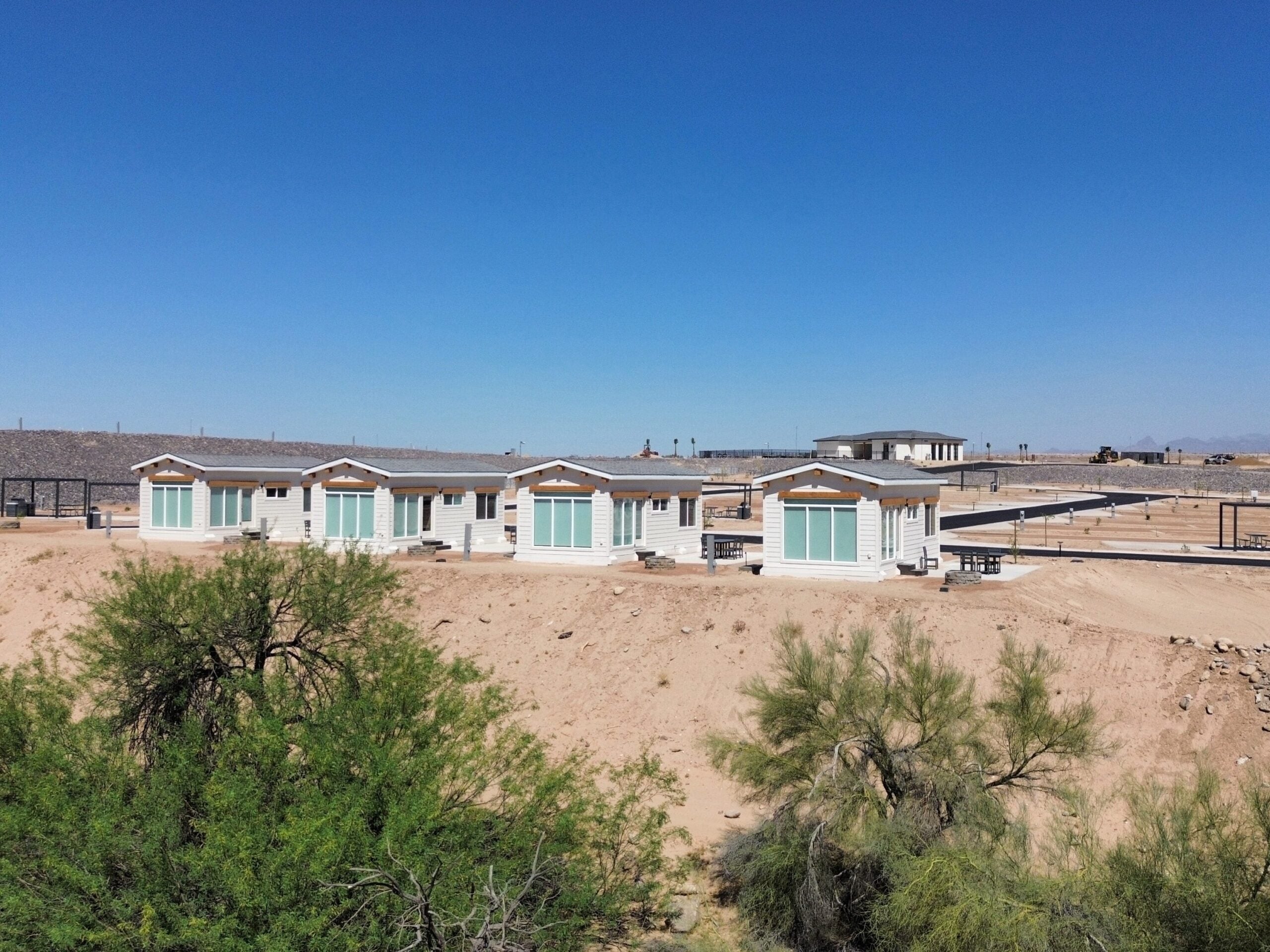
Strategy and location go hand-in-hand for the new development, which sits just three minutes from the Colorado River. While the property is not directly on the water, it offers expansive water views and easy access for boaters.
Quinn notes that the location was specifically chosen to offer guests a “quiet place to sleep” while remaining close enough to partake in the nightlife of Laughlin or the dining scene at Lake Havasu’s London Bridge.
At the heart of Dwell’s upscale offering are its 164 full-hookup RV sites and a unique glamping component consisting of 20 Casita Cabins.
These “park model” structures were prefabricated off-site and custom-designed to match the property’s southwestern modern architecture. These units serve as an “elevated product” featuring custom furnishings, local artwork, and high-end finishes.
The cabins provide a necessary alternative to tents or canvas structures. Each unit is equipped with one to two AC units, a full bathroom, and a dry bar with a microwave and mini-fridge.
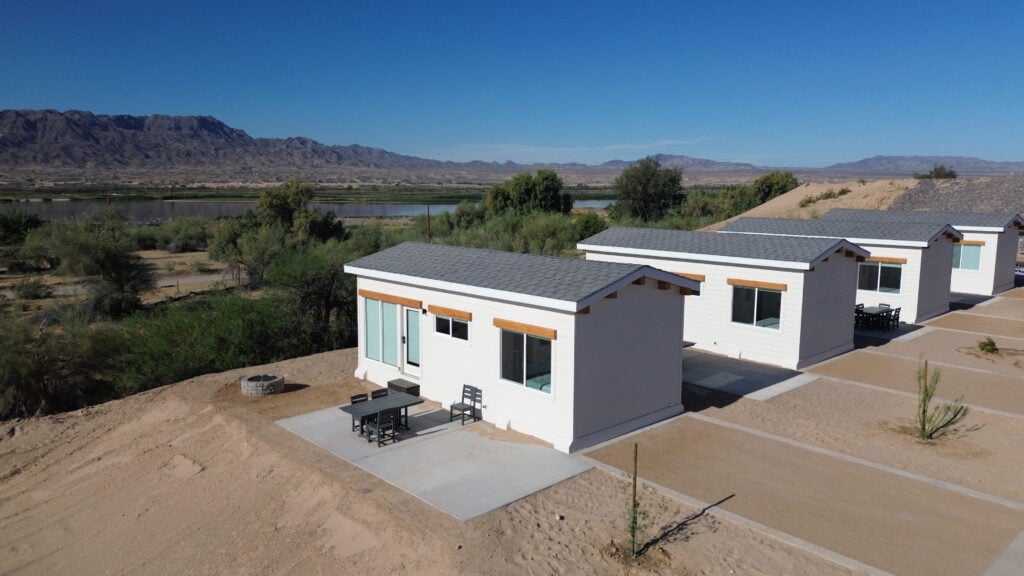
Quinn envisioned these cabins serving a dual purpose: as a “guest house” for RV owners whose friends do not own a rig, or as a primary stay for a younger generation trending toward experiences over ownership.
This allows mixed groups to “share the same evening under the stars together around the campfire” while maintaining separate, private accommodations at night. For the non-RVer, the resort offers a “nice soft bed” and a hot shower after a day of desert exploration.
Guests will also have access to a resort-style pool and hot tub, pickleball courts, a fitness center, and stylish cabanas.
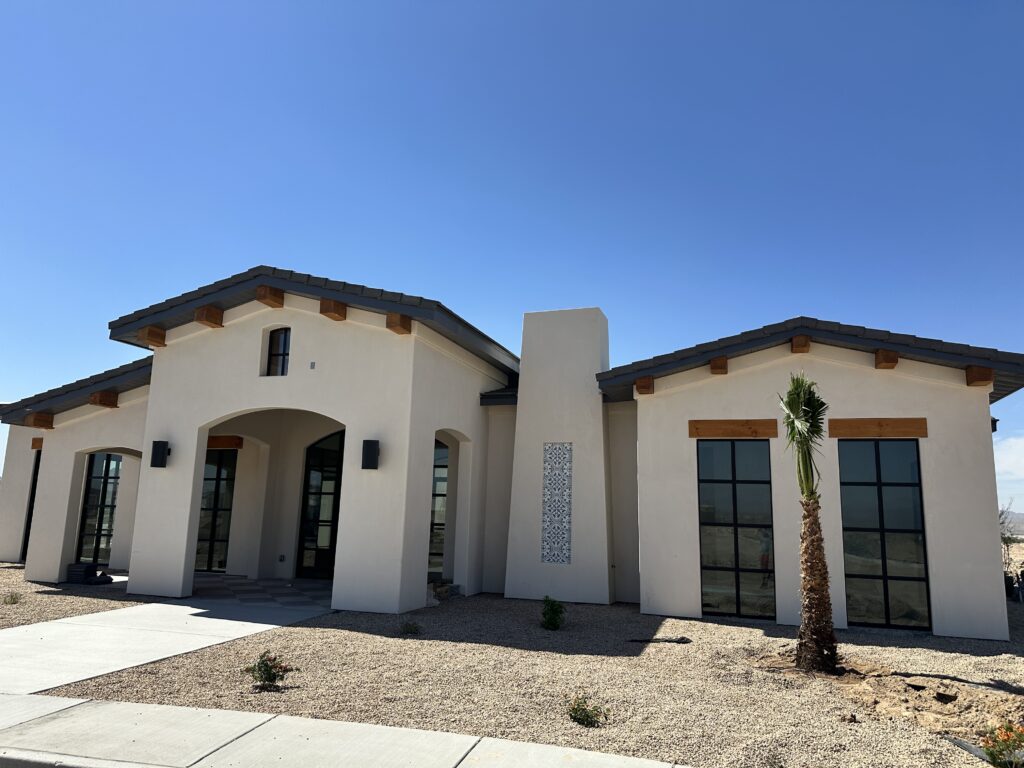
“We’re designing for that customer that wants quality,” said Quinn, highlighting that the cabins even feature king-size beds to meet the expectations of high-end travelers.
Dwell’s strategy mirrors the shifting priorities outlined in the MC Camper Compass Report, emphasizing “resort-style” infrastructure to attract a broader range of guests.
The report underscores the need for campgrounds to draw new visitors and encourage longer stays amid declining reservations—goals Dwell addresses with its Casita Cabins. These accommodations feature air conditioning, private bathrooms, and high-end finishes, appealing to both non-RVers and younger travelers.
Resort-style amenities—including a pool, hot tub, fitness center, pickleball courts, and cabanas—align with the report’s focus on upgraded facilities. Together, these position Dwell beyond a traditional RV park, supporting longer stays,and higher occupancy.
Sustainability and Technology
Beyond the luxury, Dwell has focused on self-sufficiency and environmental integration. Because the property is not on public utilities, the team secured permits for an on-site well and a wastewater treatment plant to manage all waste within the property lines. Additionally, the resort utilizes “eco-friendly landscaping” through a curated desertscape.
Market interest in the “shiny new penny” of the corridor has simplified some of the typical hurdles of opening a new business. Quinn shared that the property has not faced significant staffing challenges because many people are eager to work in the resort industry in such a “desirable location”. This interest allows the team to focus on refining the guest experience ahead of the official summer 2026 grand opening.
Technology is also playing a pivotal role in Dwell’s operational strategy. The management team is actively integrating AI for dynamic pricing, website chatbots, and targeted marketing through Google and Meta ads.
Quinn emphasizes the importance of “positioning correctly and marketing to AI,” as many travelers now use AI-driven tools within Google Maps to find their next destination.
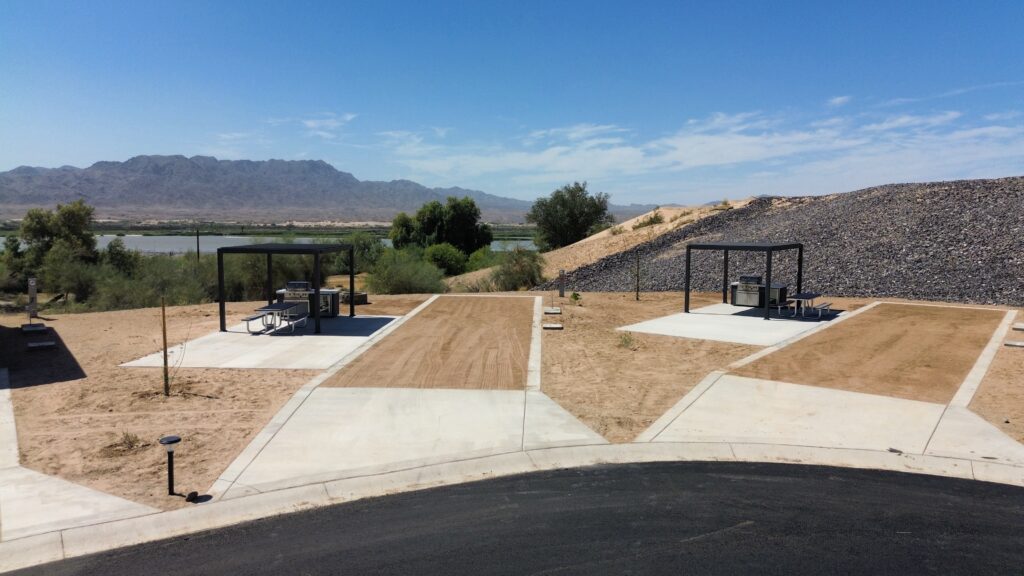
Pricing at Dwell is strategically tiered to remain competitive while justifying its premium status. While standard back-in sites are priced at market rates, “premium sites” offer significant upgrades. These include attached dog runs, gas barbecue grills, fire pits, under-counter refrigerators, and shade structures like pergolas.
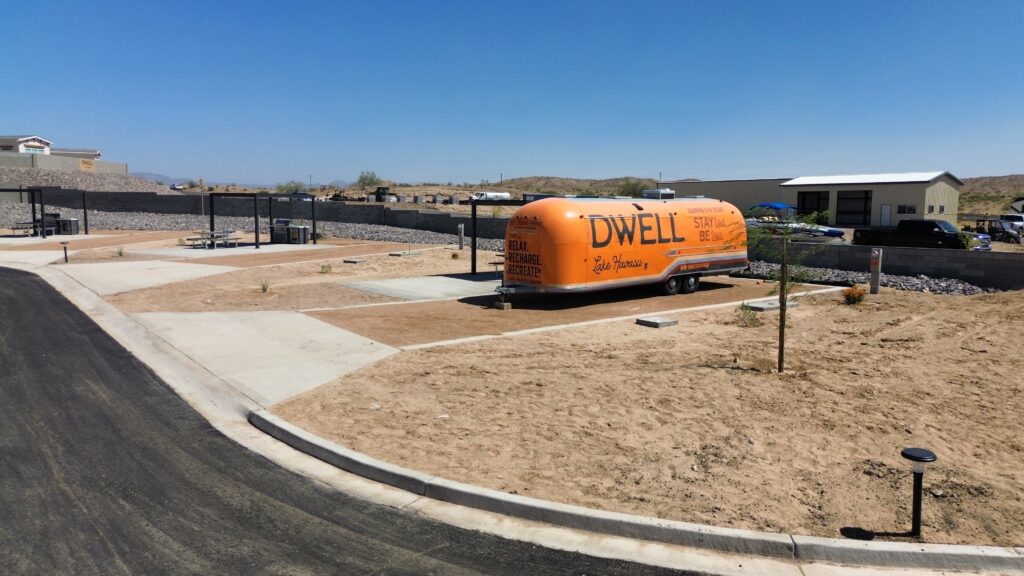
Quinn is being very intentional about naming conventions. Rather than using the traditional term “park model,” which he associates with older 55+ communities, the resort uses the term “Casita Cabins”.
“We think that’ll help market the offering to a younger demographic,” he explains, rebranding the public perception of the high-quality, custom structures.
Operationally, the resort utilizes dynamic pricing that scales with demand, particularly during peak holiday weekends or off-season periods. To provide guests with certainty, Dwell offers a site-lock feature for an additional fee, guaranteeing both the rate and the exact location within the resort. This balance of flexibility and consistency is designed to maintain high occupancy without overextending operations.
As Dwell prepares for its first guests, Quinn is already looking at the future of the brand. While the parent company, Dwell Outdoor Hospitality, already operates properties like the Nine Mile Resort and Green River KOA in Utah, there is a clear vision for expansion.
Quinn sees an opportunity to grow the “Dwell brand” into other luxury resort destinations across the West as the market for upscale outdoor experiences continues to thrive.
