

The Montana State Parks Foundation has secured a $186,000 grant from The Leona M. and Harry B. Helmsley Charitable Trust to fund research and interpretive planning at Judith Landing State Park, the state’s newest park along the Missouri River. The grant, announced March 13, 2026, will support interdisciplinary work aimed at shaping how visitors connect with the site’s layered cultural and natural history for generations to come.
The funding addresses a significant gap in the park’s development. While Montana has invested in foundational infrastructure including trails, campsites, and stabilization of historic buildings, no state dollars had been allocated for the scholarly research necessary to interpret the site’s complex past. The Helmsley grant fills this need, ensuring that interpretive efforts will rest on rigorous scholarship and community collaboration.
“Judith Landing is a remarkable place where the landscapes of the Missouri River Breaks connect people to centuries of history,” said Walter Panzirer, Trustee of the Helmsley Charitable Trust. “By supporting research and interpretation at the park, this project will help ensure that visitors can experience and understand the cultural and natural significance of this landscape for generations to come.”
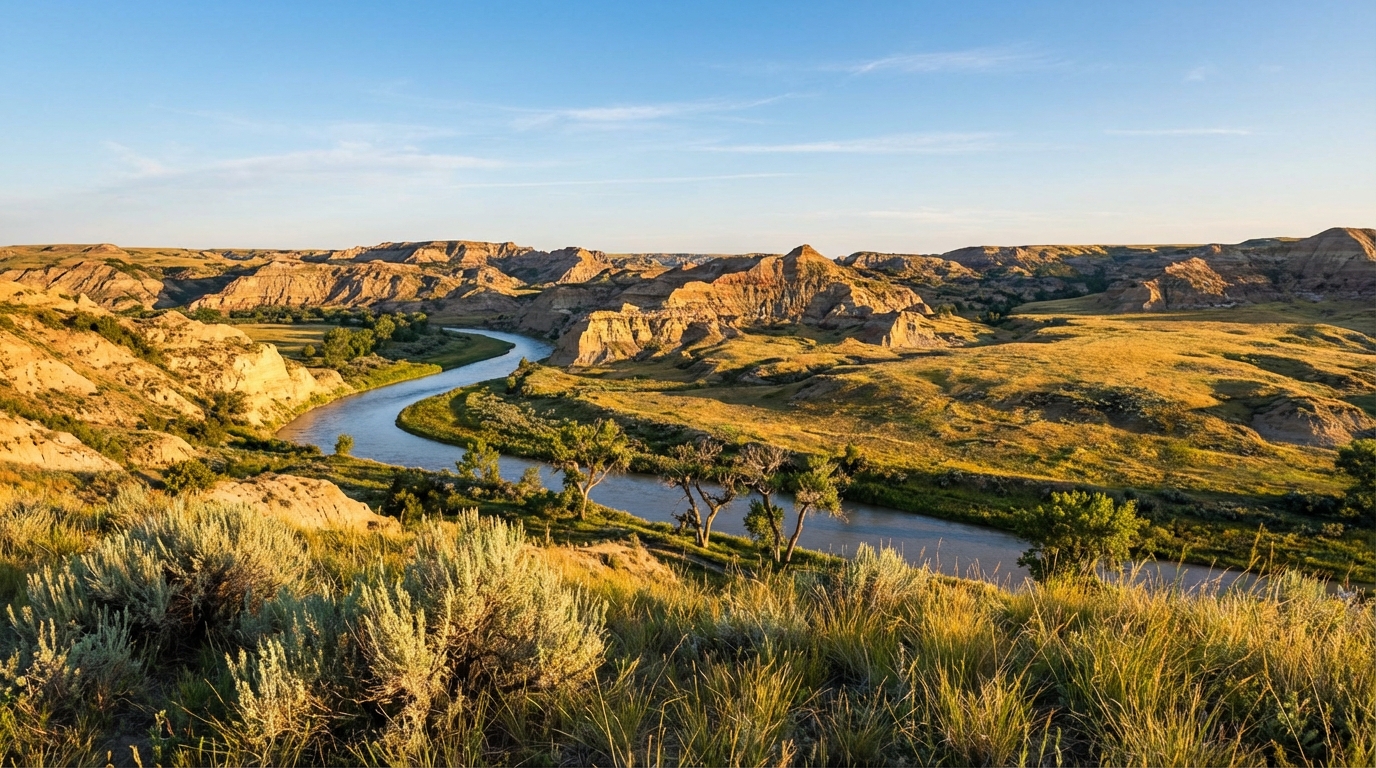
Judith Landing State Park came into existence in 2025 following a 109-acre land donation from the Montana State Parks Foundation and American Prairie. The park preserves an important confluence landscape surrounded by the Upper Missouri River Breaks National Monument. Its terrain holds centuries of interconnected narratives encompassing significant Indigenous presence, early exploration, the fur trade, steamboat travel, and deep ranching heritage. The region also claims paleontological distinction: the first dinosaur bone discovered in North America was found near Judith Landing in 1854.
The Helmsley grant will finance comprehensive research to build the park’s interpretive framework. Planned initiatives include ethnographic research conducted in collaboration with Indigenous partners, oral history collection with local ranching families, and a biological inventory of the surrounding landscape. These efforts will culminate in development of a comprehensive interpretive plan that guides future exhibits, educational materials, sustainable park development, and overall visitor experiences.
“This project ensures that the stories of Judith Landing are preserved and shared in a way that honors the many communities connected to this landscape,” said Megan Buecking, Executive Director of the Montana State Parks Foundation. “Through research, community engagement, and partnership with Montana Fish, Wildlife & Parks, we’re building the foundation for a heritage park experience that reflects the depth and diversity of this place.”
The Upper Missouri River Breaks National Monument, which surrounds the park, encompasses more than 375,000 acres of rugged terrain along 149 miles of the Missouri River. The monument preserves one of the most intact segments of the route traveled by the Lewis and Clark Expedition in 1805 and 1806. Judith Landing served as a critical river crossing and trading post during the steamboat era, with commercial river traffic continuing into the early 20th century.
The interpretive planning process will examine the site’s significance to multiple Indigenous nations who have historical connections to the confluence landscape. The ethnographic research component aims to ensure that tribal perspectives and oral traditions inform how the park presents its pre-contact and early contact-era history to visitors.
Local ranching families who have worked the surrounding land for generations will also contribute to the historical record through oral history interviews. These accounts will help document agricultural practices, community traditions, and changes to the landscape over more than a century of settlement.
The biological inventory funded by the grant will catalog plant and animal species within the park boundaries, providing baseline data for conservation management and interpretive programming focused on the natural environment.
“The stories connected to Judith Landing span generations and cultures,” said Cannon Colegrove, Judith Landing State Park Manager with Montana Fish, Wildlife & Parks. “This research will help us ensure that the park’s interpretation reflects the full depth of its history while creating meaningful opportunities for visitors to connect with the landscape.”
The initiative reflects a collaborative partnership model bringing together the Montana State Parks Foundation, Helmsley Charitable Trust, Montana Fish, Wildlife & Parks, and American Prairie. The Montana State Parks Foundation serves as the official nonprofit partner of Montana State Parks, supporting park improvements, historic preservation, accessibility initiatives, and community engagement across Montana’s 56 state parks. The research and planning supported by this grant will help ensure that Judith Landing, a nationally significant landscape, is interpreted with depth, accuracy, and respect for present and future generations.
