

Nearly 500 leaders from across the nation gathered at the Marriott New Orleans from Feb. 26-28 to confront the economic toll of litter on American tourism, with Louisiana Lt. Gov. Billy Nungesser and Keep Louisiana Beautiful hosting the National Summit as the country prepares for its 250th birthday celebrations in July. The three-day event, operating under the theme “Let’s Do Beautiful Things, Together,” brought together state officials, corporate partners and environmental advocates to share strategies for litter prevention, recycling and community beautification, with organizers positioning the summit as a critical step toward the Greatest American Cleanup initiative launching ahead of the nation’s semiquincentennial.
The summit featured dedicated discussions connecting clean environments directly to visitor satisfaction and repeat tourism, with officials from the Louisiana Department of Culture, Recreation and Tourism underscoring that beautification represents a strategic economic imperative rather than merely an aesthetic goal. For campground and RV park operators, the connection between environmental stewardship and business success has never been clearer. Modern outdoor travelers, particularly younger demographics, increasingly factor environmental practices into booking decisions, and properties that visibly demonstrate sustainability commitments through clean grounds and eco-friendly amenities often report stronger reviews and repeat visitation. Green certification programs provide marketing differentiation and can justify premium pricing as guests perceive added value in staying at responsibly managed properties.
Nungesser, who oversees both Keep Louisiana Beautiful and the state’s tourism department, opened the summit alongside Keep America Beautiful President and CEO Jennifer Lawson. In a statement issued in a Feb. 13 press release from the Office of the Lieutenant Governor and Keep Louisiana Beautiful, Nungesser said: “Since bringing Keep Louisiana Beautiful under the Office of the Lieutenant Governor, we’ve made it a top priority to clean up our state and truly put the paradise back in Sportsman’s Paradise. Hosting the Keep America Beautiful National Summit in New Orleans is an incredible opportunity to showcase the progress Louisiana has made while learning from innovative leaders across the country. From the growth of Love the Boot Week – our largest statewide litter removal effort – which is now in its fifth year to stronger partnerships, youth education, and enforcement, we are building real momentum. I’m proud of how far we’ve come and excited to continue raising the bar for a cleaner Louisiana.”
The summit’s emphasis on litter prevention and community beautification carries direct implications for outdoor hospitality businesses seeking to capture their share of the tourism market. Campground and RV park operators play a frontline role in maintaining the clean environments that drive visitor satisfaction. Strategic waste station placement remains fundamental, with trash and recycling receptacles positioned in high-traffic locations including check-in zones, bathhouse entrances and trail access points. Installing simple signage with friendly pack-it-in, pack-it-out reminders and incorporating Leave No Trace messaging into welcome packets reinforces responsible behavior among guests without creating friction in the experience.
The summit programming addressed multiple facets of litter prevention and environmental stewardship. Susan Russell, Keep Louisiana Beautiful executive director, led a panel on litter enforcement and accountability featuring Nungesser, Rep. John Illg Jr. and Travis Huval, a litter enforcement specialist. Russell also participated in sessions titled “Protecting Our Waters: Partnership in Action to Reduce Litter and Pollution” and “From Crews to Campaigns: Creative Approaches to Litter Removal.” Cabell Mouton, community engagement and affiliate services director for Keep Louisiana Beautiful, presented on the organization’s university affiliate network, the largest group of its kind nationally. Additional sessions explored emerging technologies for recycling, beautification and community revitalization.
Properties that involve guests in beautification efforts often see improved compliance with waste management protocols. Offering small incentives for reporting full receptacles or organizing optional morning cleanup walks creates a sense of shared stewardship that enhances the overall guest experience. Training maintenance and hospitality staff to conduct regular perimeter sweeps, particularly along fence lines and water features where windblown litter accumulates, maintains property appearance between major cleaning cycles. Providing clearly labeled, color-coded recycling bins with picture-based labeling for common camping waste helps guests sort correctly while demonstrating environmental commitment.
The Keep America Beautiful awards luncheon recognized several Louisiana organizations and individuals for their environmental leadership. The Louisiana Department of Transportation and Development and the Department of Culture, Recreation and Tourism received Outstanding State Agency Partnership Awards, accepted by Nungesser and Louisiana DOTD Secretary Glenn Ledet. Keep Tangipahoa Beautiful earned an Innovation Program Award for its work in youth litter education. Russell received the Sue Smith Award, described as Keep America Beautiful’s highest award recognizing dedication and a legacy of work in the beautification movement.
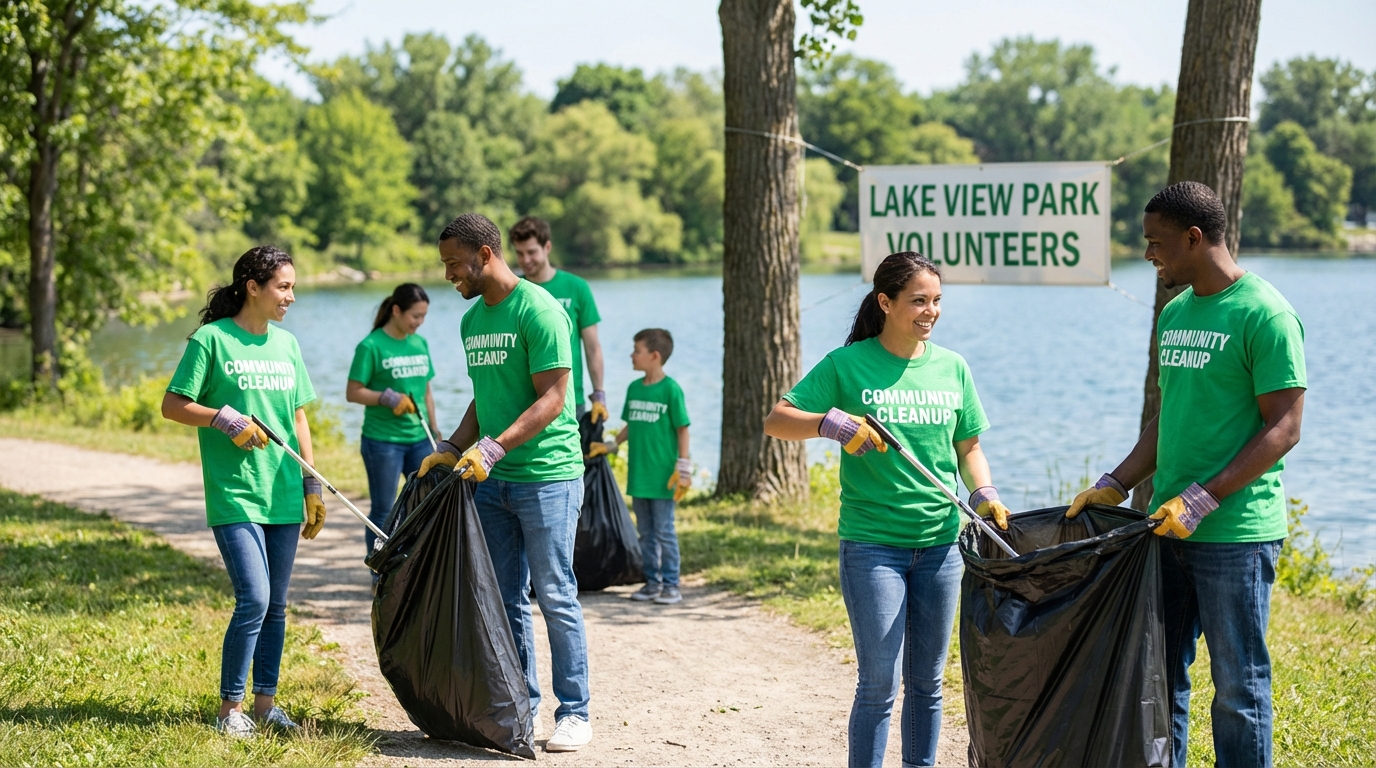
The summit served as the launchpad for the Greatest American Cleanup, a national initiative leading up to America’s 250th birthday in July. Louisiana pledged its participation to help remove billions of pieces of litter from parks, waterways and public spaces, with 83 individuals representing Keep Louisiana Beautiful affiliates and partners among the attendees. Campground and RV park operators can position their properties as active participants in this national effort by hosting community cleanup events or announcing sustainability commitments tied to the initiative. Affiliating with Keep America Beautiful or state affiliates like Keep Louisiana Beautiful can provide access to resources, volunteer networks, signage, educational materials and recognition programs, often at no cost to operators.
Cultural heritage tourism played a significant role in the summit’s programming. The event opened with a carnival-themed procession featuring Mardi Gras Indians, followed by Keep Louisiana Beautiful affiliates from across the state. On the evening of Feb. 27, Nungesser hosted the “Louisiana Loves You” reception at the historic Cabildo on Jackson Square, allowing attendees to experience Louisiana culture and history firsthand. The programming reinforced the message that preserving environmental beauty is essential for protecting cultural assets that drive tourism revenue.
The summit’s integration of cultural experiences with environmental messaging offers a model for outdoor hospitality operators. Glamping resorts and destination campgrounds can similarly highlight regional environmental features and conservation stories as part of their guest experience. Properties near waterways, state parks or natural areas can frame beautification efforts as protecting cultural and natural assets that attract visitors. Replacing high-maintenance turf areas with native plantings reduces operational costs while creating more attractive, regionally authentic environments. Digital guest engagement through mobile apps and check-in systems can communicate sustainability initiatives and share information about local conservation efforts and cleanup participation opportunities.
The event brought together Keep America Beautiful affiliates, corporate partners and government officials to exchange ideas, learn from proven models, build partnerships and celebrate local successes. Sessions addressed how litter prevention and cleanup efforts support public health, safety and community pride while exploring the direct impact of litter on tourism and economic development. The summit underscored that maintaining clean public and private spaces represents an investment in community vitality and economic resilience.
Documentation of beautification contributions provides marketing opportunities for attracting patriotic travelers during the 2026 tourism season, and properties with strong environmental credentials can attract corporate retreats, scout groups and eco-tourism organizations seeking venues aligned with their values. The summit reinforced that environmental stewardship is essential for protecting Louisiana’s multibillion-dollar tourism economy, a message that extends directly to the private outdoor hospitality properties that equally influence visitor perceptions of destinations. Individual property actions contribute to the collective national momentum building toward America’s 250th celebration, positioning operators who embrace beautification as leaders in their communities while capturing the growing segment of environmentally conscious travelers.
