

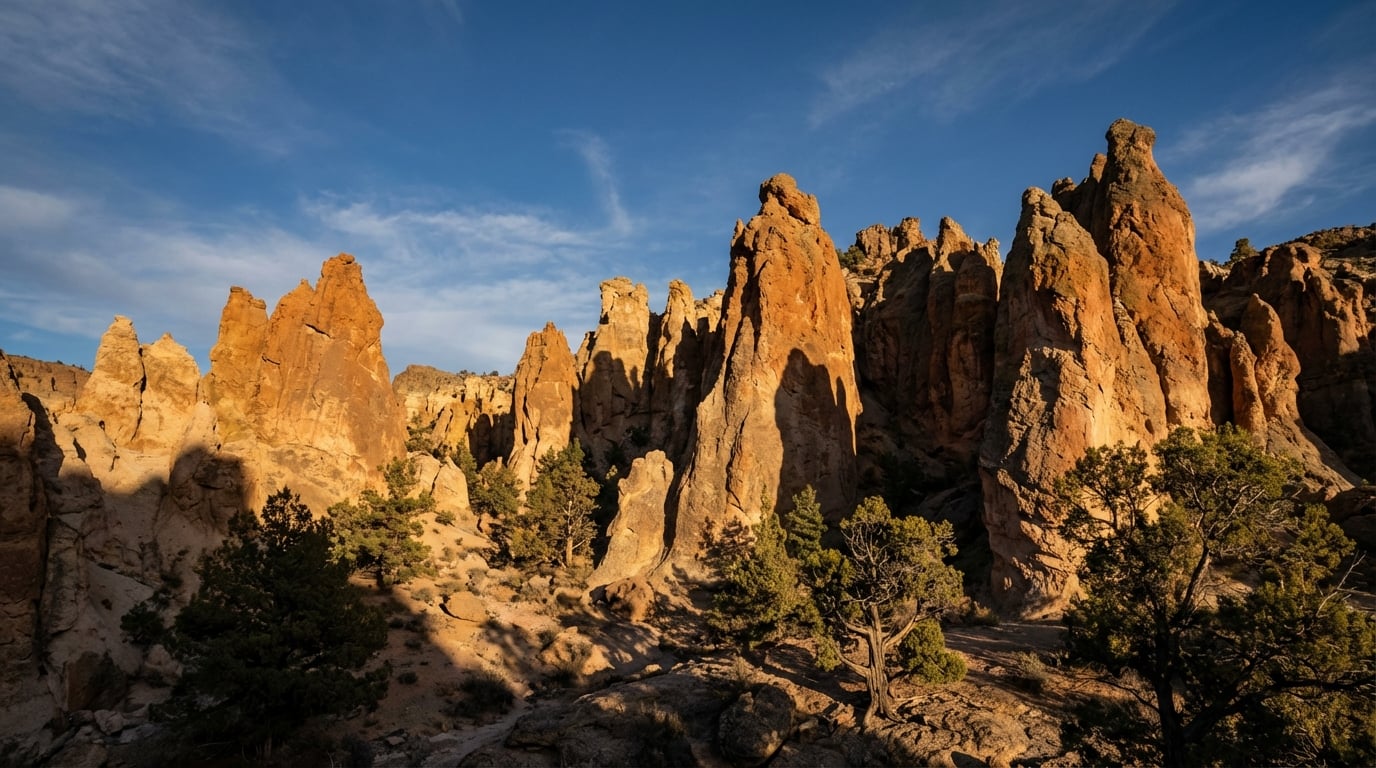

Arizona’s two Democratic senators have introduced legislation that would elevate Chiricahua National Monument to national park status, a designation that would make the southeastern Arizona site the state’s fourth national park alongside Grand Canyon, Petrified Forest, and Saguaro. Sens. Mark Kelly and Ruben Gallego filed the Chiricahua National Park Act on Jan. 29, 2026, seeking to boost tourism and economic opportunity in rural Cochise County while preserving more than 12,000 acres of towering rock formations, deep canyons, and diverse wildlife. For outdoor hospitality operators throughout the region, the legislation signals a potential influx of visitors that could reshape the commercial landscape for campgrounds, RV parks, and glamping resorts within driving distance of the monument.
“Protecting Chiricahua means preserving a one-of-a-kind landscape while delivering an important win for southeastern Arizona’s recreation economy,” Kelly said in a statement upon introducing the bill. “This is about keeping this place special and making sure nearby communities and small businesses benefit even more from it.”
The monument, established in 1924, features dramatic rhyolite rock spires and rugged terrain that draw visitors from across the globe. Companion legislation introduced in the U.S. House by Rep. Juan Ciscomani, a Republican representing Arizona, establishes bipartisan backing for the effort in the 119th Congress. Notably, the designation would not expand federal land jurisdiction or increase taxpayer costs but instead elevate the existing monument’s profile to stimulate regional economic activity, according to details outlined in the bill’s announcement.
For campground and RV park operators in the region, understanding visitor patterns associated with national park designations is essential. When a site receives national park status, surrounding campgrounds and RV parks generally experience measurable increases in reservation requests, often within the first year of the designation taking effect. Outdoor hospitality operators located within a two-hour drive radius of newly designated parks are particularly well-positioned to capture overflow visitors during peak seasons when park-adjacent accommodations reach capacity. Those near Willcox and throughout Cochise County represent primary commercial beneficiaries of this increased exposure, and preparation now could yield significant returns once the designation takes effect.
Operators anticipating increased demand should consider expanding reservation windows to capture planners who research trips months ahead. Upgrading electrical infrastructure for larger RVs and motorhomes makes sense, as national park visitors often travel in full-hookup vehicles. Adding pull-through sites where terrain allows improves turnover efficiency, while installing reliable Wi-Fi and cell signal boosters addresses the expectations of modern travelers seeking connectivity in remote destinations.
“Chiricahua’s unique landscape brings in visitors from around the world,” Gallego said in his statement announcing the legislation. “I’m proud to introduce this bill to designate Chiricahua as a national park in order to bring even more tourism to the area and create new economic opportunity in Cochise County.”
The bill has garnered support from local governments including the cities of Willcox, Sierra Vista, Benson, and Bisbee, as well as Huachuca City and the Cochise County Board of Supervisors. Tribal nations have also rallied behind the effort, with both the San Carlos Apache Tribe and Mescalero Apache Tribe endorsing the legislation. Conservation and recreation organizations backing the bill include the National Parks Conservation Association, HECHO, Sky Island Regional Partnership, and Arizona Trail Association.
Rather than pursuing large single investments, campground and RV park owners should consider phased capital improvements that allow infrastructure to scale as demand materializes. Creating designated tent camping areas serves the backpacker and adventure traveler demographics drawn to rugged landscapes like Chiricahua. Developing partnerships with local tour operators to offer bundled experiences can extend guest stays and increase per-visitor revenue across the region.
“HECHO proudly supports Senator Mark Kelly’s introduction of the Chiricahua National Park Act,” said Camilla Simon, executive director of HECHO. “This legislation has bipartisan support, reflecting a shared commitment across parties and chambers to preserving one of Arizona’s most extraordinary landscapes. Designating Chiricahua as a national park will strengthen conservation efforts, increase tourism, protect Tribal access, and grow the outdoor recreation economy in Southern Arizona, supporting local jobs and small businesses throughout Cochise County.”
The legislation includes specific protections for traditional cultural and religious sites, requiring ongoing consultation with tribal nations and ensuring continued access for traditional cultural and customary uses. These provisions reflect the central role that respect for indigenous heritage plays in the designation. National park visitors increasingly prioritize environmentally responsible and culturally respectful travel experiences, and operators who demonstrate authentic commitment to these values often see stronger guest loyalty, positive reviews, and competitive differentiation.
Campground and glamping operators can align their practices with these priorities through several approaches. Incorporating regional cultural history into guest education materials, such as interpretive signage or welcome packets acknowledging indigenous heritage and geological significance, resonates with visitors seeking meaningful experiences. Partnering with tribal nations where appropriate for authentic programming, artisan markets, or guided experiences creates mutual benefit. Implementing Leave No Trace principles throughout properties, including designated fire rings, wildlife-proof waste containers, and clear trail etiquette guidelines, demonstrates environmental stewardship. Installing dark sky-compliant lighting preserves night sky visibility, which is particularly valued in remote Arizona locations, while native drought-resistant landscaping reduces water consumption and maintains ecological consistency with surrounding protected lands. Offering electric vehicle charging stations and solar-powered amenities appeals to eco-conscious travelers who increasingly dominate the national park visitor demographic.
Previous iterations of the bill stalled in the House after passing the Senate, but the 2026 effort features a realigned Senate coalition with both Arizona senators as primary sponsors. The companion House bill from Ciscomani adds bipartisan momentum that supporters hope will carry the legislation to passage. For outdoor hospitality operators in southeastern Arizona, early alignment with conservation and cultural values represents a strategic consideration for long-term competitiveness in gateway communities.
