

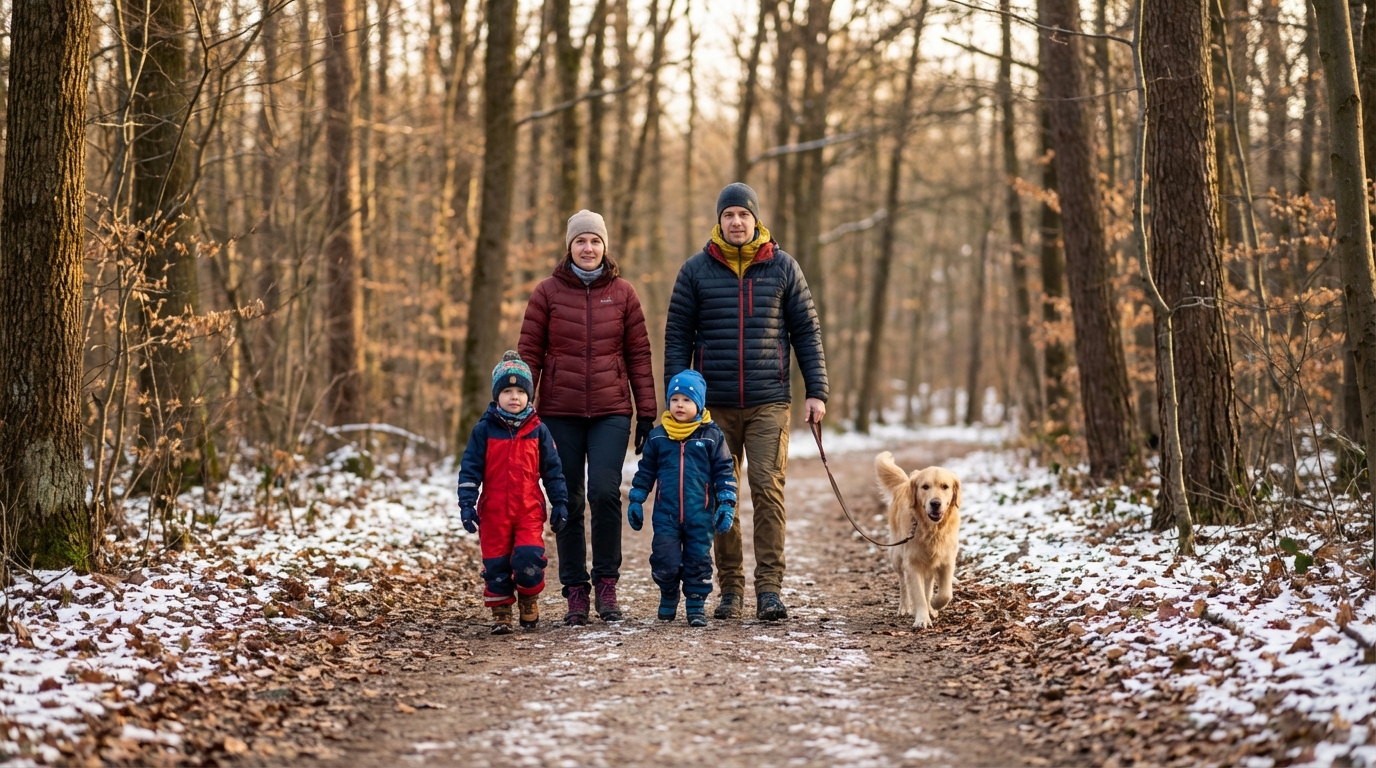

Shenandoah River State Park in Virginia launched its 2026 programming calendar with an ambitious lineup of guided hikes, youth education initiatives, and community engagement opportunities designed to drive visitation during traditionally quieter winter months. The park kicked off the year with First Day Hikes on January 1, offering five distinct guided activities with waived parking fees, a programming model that private outdoor hospitality operators can study and adapt to activate their own off-peak seasons.
The New Year’s Day offerings showcased the diversity of experiences possible even during colder months. A 1.5-mile Winter Wonderland Hike along the Cottonwood Trail explored how local wildlife and plants endure winter conditions, while a Friends Group Scenic Hike traveled from Cullers Overlook to the Visitor Center with an extended loop option for more ambitious hikers. The Stick and Stone Studio at the River Bend Discovery Center provided an all-ages crafting opportunity where visitors could decorate hiking sticks. For guests with mobility considerations, an ability-inclusive First Day Stroll offered a half-mile option along the River Trail. Winter programming continues throughout January with additional Winter Wonderland Hikes scheduled, demonstrating the park’s commitment to year-round outdoor engagement.
“These are fun, educational, and a great excuse to get outside,” said Megan Goin, Chief Ranger for Visitor Experience at Raymond R. “Andy” Guest Jr. Shenandoah River State Park. “People ask what we do in the winter, but it’s a busy time. We’re building for the year ahead, and we’re excited about all we’re offering in 2026.”
For campground and RV park operators, guided nature hikes represent one of the most cost-effective programming options, requiring minimal equipment investment while leveraging natural assets already present on a property. Many operators increasingly treat winter as an opportunity to build community loyalty and attract new guest segments rather than viewing it as a dormant period. Training existing staff to lead interpretive walks focused on winter wildlife, plant dormancy, or stargazing is a low-cost way to activate shoulder season programming. Waiving or reducing fees for special programming events is a proven tactic for introducing new guests to a property, with the logic that first-time visitors who have positive experiences are more likely to book paid stays.
Pet-inclusive programming figured prominently in the park’s January offerings, with a Bark Ranger Hike on the Bluebell Trail inviting dogs and their owners to learn about responsible pet stewardship. Well-behaved dogs earn a Bark Ranger tag and certificate at the conclusion of the experience. An additional Bark Ranger Hike was also scheduled for January, reflecting sustained demand for pet-friendly outdoor activities.
Pet-inclusive programming has become an industry standard for driving shoulder season bookings at private outdoor hospitality properties. Properties that actively welcome dogs and create pet-specific experiences typically see higher repeat visitation rates. Simple additions like designated off-leash areas, pet washing stations, and organized dog-friendly hikes help differentiate a property in an increasingly competitive market. An RV park owner studying the state park’s success with pet-focused hikes might consider launching a similar monthly dog walk series to build guest loyalty among this growing demographic.
The park is breaking new ground with youth programming through a partnership with Samuels Public Library. The new Tales and Trails series offers monthly nature-themed story and activity programs for children ages 5 to 10, with sessions alternating between park and library locations. January’s inaugural program celebrates Squirrel Appreciation Day, February features groundhog facts, and April focuses on bats. Tales and Trails programs are free with parking fees waived for registered participants, with registration available through the library website. A separate Tiny Trailblazers series for toddlers ages 2 to 5 launches January 24, with the first session also highlighting squirrels in content adapted for younger audiences. For Tiny Trailblazers, standard $10 park entry fees apply. “Parents have asked us for something designed for the littlest explorers,” Goin said. “Now we have something just for them.”
Family programming that targets younger children fills a niche many outdoor hospitality properties overlook. Craft activities, nature scavenger hunts, and story-time events create memorable experiences that encourage families to return. These programs also generate positive word-of-mouth referrals and social media content when parents share their children’s experiences online. Glamping resort operators could adapt the Tiny Trailblazers concept into a signature family experience that differentiates their property from competitors.
Building relationships with local institutions such as libraries, schools, and conservation organizations has become a recognized strategy for outdoor hospitality operators seeking to establish themselves as community assets. Library partnerships offer campground and RV park operators access to established family audiences. Successful properties host rotating book exchange stations, collaborate on outdoor literacy programs, or invite local librarians to lead nature-themed reading sessions on-site. These collaborations typically require minimal financial investment while generating goodwill and local media coverage. A campground owner could approach their local library about co-hosting a monthly nature program, positioning the property as a family-friendly community resource.
The park is also seeking community input through a public master plan meeting scheduled for Tuesday, January 20, from 6 to 8 p.m. at Samuels Public Library in the White Meeting Room. “Every state park has a master plan. It covers staffing, development, project priorities, and how we apply for funding. It’s important for visitors to share what they want to see in their park,” Goin explained. Public comments will be recorded and used to shape the park’s next 10-year roadmap. “If you’ve ever said, ‘I wish the park would do this,’ now’s the time to come say it out loud,” she added, encouraging community attendance at the session.
The master plan meeting offers a model that forward-thinking private operators are increasingly adopting. Community input sessions, while more commonly associated with public parks, can benefit private outdoor hospitality businesses as well. Hosting open forums where local residents can share ideas about property development, trail expansion, or programming priorities builds community buy-in and can surface valuable insights about unmet local recreational needs. This approach also helps mitigate potential resistance to expansion plans by involving neighbors early in the planning process. Long-term master planning is considered an industry best practice for properties seeking sustainable growth, with operators who develop ten-year roadmaps addressing infrastructure investment, staffing needs, environmental stewardship, and market positioning typically outperforming those operating reactively.
Spring 2026 field trip reservations are now open at the park, with programs running through May 15. Costing $3 per student per program and free for Title I schools, topics include zoology, botany, geology, local history, and hands-on animal encounters. Recent programs have included live snakes, frogs, and turtles. “It’s a great way to make science real for kids,” Goin said. “And we’re happy to customize for different age groups or learning goals.” Educational partnerships with schools represent an opportunity for private operators to position a property as an educational resource, with the state park’s tiered pricing model demonstrating how similar offerings can accommodate underserved populations while generating revenue from standard bookings. Properties that develop curriculum-aligned programming often find that school visits translate into future family bookings when students return with parents.
Beyond seasonal programming, the park offers camping options including cabins and glamping accommodations, Discovery Center programs, and accessibility features including an all-terrain wheelchair. A full slate of seasonal events is planned throughout 2026. State park programming innovations often signal broader consumer demand trends that private operators can capitalize on with their own tailored versions, and the key for campground, RV park, and glamping operators is identifying which program models align with their specific guest demographics and property assets.