

Ohio is investing $2.5 million in a sweeping IMAX documentary designed to reposition the state as a premier nature destination, creating a significant marketing opportunity for outdoor hospitality operators near the featured attractions. The film, titled “Ohio: Wild at Heart,” launched in January 2026 and is currently drawing audiences at major science museums across the state, according to an AP News report on the initiative, which was spearheaded by the Ohio Department of Natural Resources using state information and education funds.
The documentary represents a deliberate effort to shift public perception away from Ohio’s industrial past, specifically addressing the infamous 1969 Cuyahoga River fire that became a symbol of environmental degradation. State officials are now positioning Ohio as a destination for outdoor recreation and wildlife conservation, highlighting the dramatic environmental recovery that has transformed the region over the past half-century. The film showcases Ohio’s top-ranked state park system through footage captured over a full year, presenting all four seasons in immersive large-format imagery.
Narrated by two-time Heisman Trophy winner Archie Griffin, the documentary takes viewers on a visual journey spanning the state’s diverse landscapes. Featured locations include the lighthouse-dotted shores of Lake Erie in the north, the towering limestone formations of Hocking Hills in the south, the glacial grooves of Kelleys Island, and the firefly-lit forests of the Edge of Appalachia Preserve System. For campground owners, RV park operators, and glamping resort managers near these featured destinations, this $2.5 million state investment functions as essentially free destination marketing that can drive visitor traffic for years to come.
Properties positioned near Hocking Hills, Lake Erie shores, Kelleys Island, and the Edge of Appalachia should act now to align their marketing with this campaign. Updating property descriptions and websites to reference nearby attractions featured in the documentary will help capture search traffic from viewers inspired to visit these locations. Operators should consider creating themed packages that connect to the wildlife and nature narrative, such as wildlife watching weekends, scenic photography retreats, or bald eagle viewing stays that capitalize on renewed interest in Ohio’s natural areas.
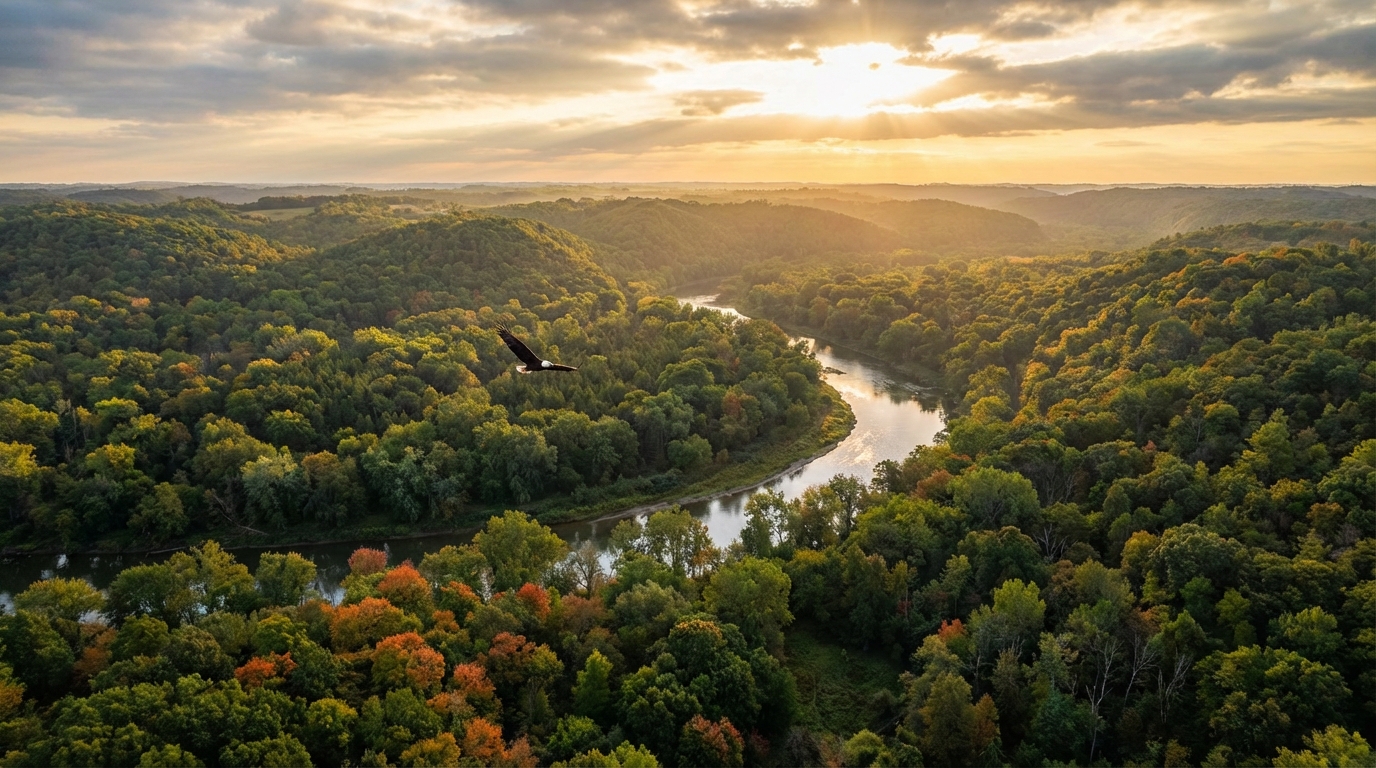
Beyond the landscapes, the film emphasizes successful wildlife conservation efforts that could become powerful draws for nature-focused travelers. The documentary details the reintroduction of once-endangered species, specifically highlighting the return of bald eagles and trumpeter swans to Ohio marshlands. These conservation success stories provide campgrounds and RV parks with compelling content for interpretive signage and educational programming that extends the visitor experience beyond what guests see on screen.
ODNR Director Mary Mertz described the film as a “love letter” to the mission of protecting natural resources, signaling the state’s commitment to environmental stewardship as a core identity. This framing positions outdoor hospitality properties as natural partners in the destination story rather than simply places to sleep. Operators should consider partnering with local visitor bureaus to appear in recommended lodging lists distributed alongside the tourism campaign, ensuring their properties benefit from the coordinated promotional effort.
The distribution strategy reflects a long-term commitment to building awareness of Ohio’s natural assets. Currently, “Ohio: Wild at Heart” is screening at the Cincinnati Museum Center, COSI in Columbus, and the Cleveland Museum of Natural History, with the immersive IMAX format maximizing visual impact. State officials have announced plans to bring the documentary into classrooms starting next year, using it as an educational tool to teach the next generation about local ecology and environmental stewardship.
For outdoor hospitality operators, this classroom rollout signals sustained, long-term promotion of Ohio’s natural destinations. A new generation of Ohio families will grow up with awareness of these natural areas, creating demand that will mature as younger audiences become travelers and families seeking outdoor experiences. Smart operators will train staff on featured attractions so they can serve as knowledgeable ambassadors, enhancing guest experiences with insider tips and directions to the locations visitors want to explore.
The documentary also carries a significant wellness message that resonates with current travel trends. The film features testimonials from volunteers and naturalists who credit activities like hiking, kayaking, and birding with restoring their well-being. The tagline, “We restore nature, nature restores us,” captures a philosophy that outdoor hospitality properties can echo in their own marketing and guest experience design.
The connection between time spent in nature and improved mental health has become a significant driver of travel decisions, particularly following years of increased stress and screen fatigue. Outdoor hospitality properties are uniquely positioned to deliver on the promise of nature-based restoration. Operators should consider designating digital detox zones or quiet hours encouraging guests to disconnect, offering guided nature activities such as sunrise yoga, forest bathing walks, stargazing programs, or birding excursions that emphasize mindfulness and presence.
Marketing language that emphasizes restoration and renewal rather than simply listing amenities appeals to guests seeking stress relief rather than just a vacation. Properties can create spaces designed for reflection, including hammock groves, meditation platforms, or scenic overlooks with comfortable seating. Partnering with local naturalists or wellness practitioners adds programming value without requiring significant capital investment, allowing operators to deliver wellness experiences that align with the documentary’s themes.
Properties that position environmental stewardship as part of the guest wellness experience create meaningful differentiation in an increasingly competitive market. By echoing the film’s concept of mutual restoration between people and nature, campground and glamping resort owners can connect their properties to a larger state narrative about Ohio’s natural spaces as places of healing. Sharing user-generated content from guests exploring featured locations on social media builds authenticity and extends the reach of both the state campaign and individual property marketing efforts, capturing the momentum of this significant state investment for years to come.
