


The New Hampshire Senate Ways and Means Committee voted 3-2 on Jan. 14 to recommend killing a bill that would have allowed municipalities to impose occupancy fees of up to $2 per night on lodging stays, including campgrounds and RV parks.
The committee issued an “Inexpedient to Legislate” recommendation on Senate Bill 634.
The legislation, sponsored by Sen. Suzanne Prentiss of District 5 and six other Democratic senators, sought to enable cities and towns to vote locally to collect a municipal occupancy fee on short-term lodging and hotel stays.
Under the bill’s provisions, municipalities could have charged a daily fee of up to $2 per occupancy per 24-hour period, or a percentage of the price not exceeding that amount.
Revenue generated would have flowed into restricted municipal funds designated for capital reserves, or tourism support. “Such funds shall be used to augment funding for the cost of municipal services associated with the increase in tourism and transient traffic,” the announcement states.
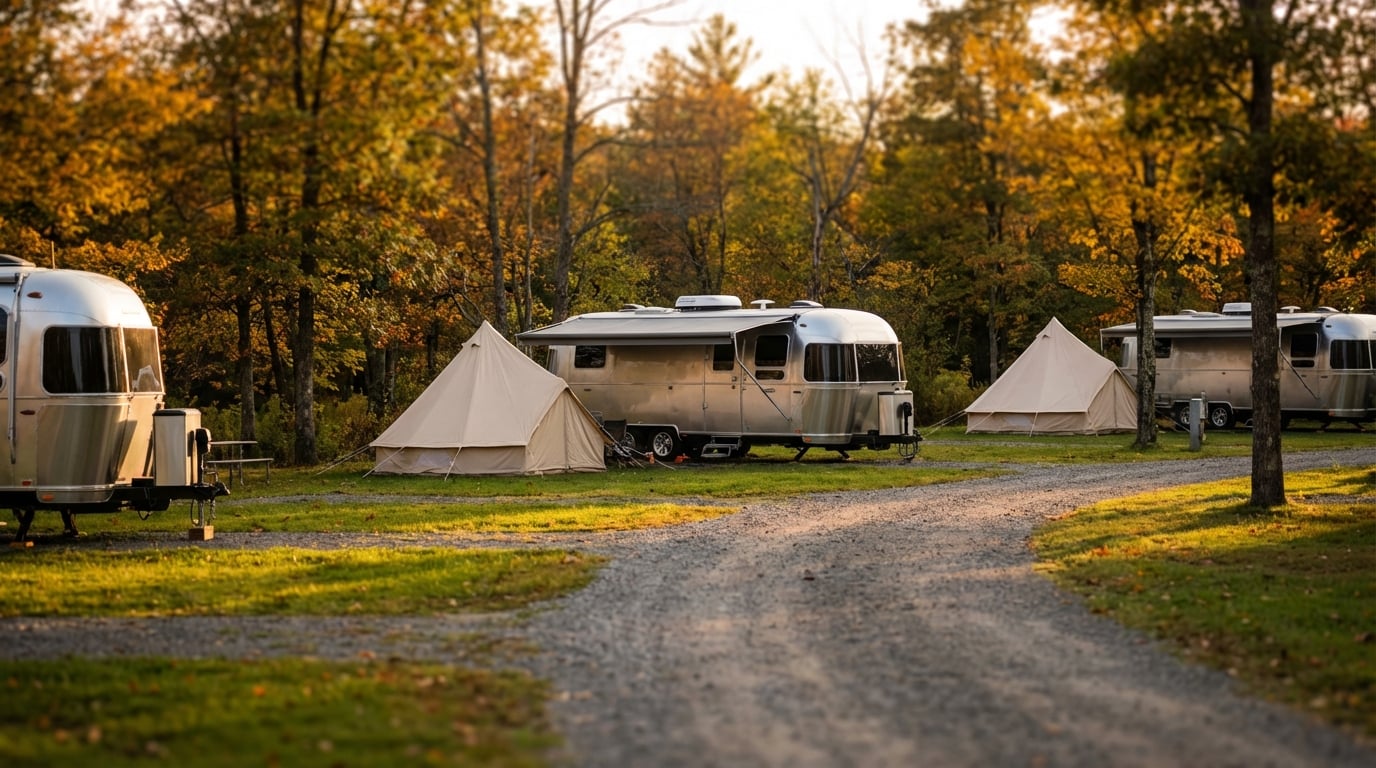
Outdoor hospitality businesses face distinct considerations compared to traditional hotels. These operations typically charge lower nightly rates, meaning even a modest per-night fee can represent a more significant percentage of the guest’s total cost. A $2 fee on a $45 campsite represents a larger proportional increase than the same fee on a $200 hotel room.
All seven sponsors include senators, such as Sen. Long of District 20, Sen. Watters of District 4, Sen. Perkins Kwoka of District 21, Sen. Altschiller of District 24, Sen. Rosenwald of District 13 and Sen. Fenton of District 10.
Had the bill passed, municipalities would have needed to vote locally to adopt the fee. Towns would have placed the question on the warrant of a special or annual town meeting for ballot voting, while cities would have acted through their legislative bodies as provided in their charters.
The bill required selectmen or city councils to hold a public hearing at least 15 days but not more than 30 days before any vote. Notice requirements included posting in at least two public places and newspaper publication at least seven days before the hearing.
The 3-2 committee vote illustrates how close margins can be on lodging fee proposals at the state level. Public hearings during the legislative process provide opportunities for affected businesses to participate in discussions about measures that would impact their operations.
