

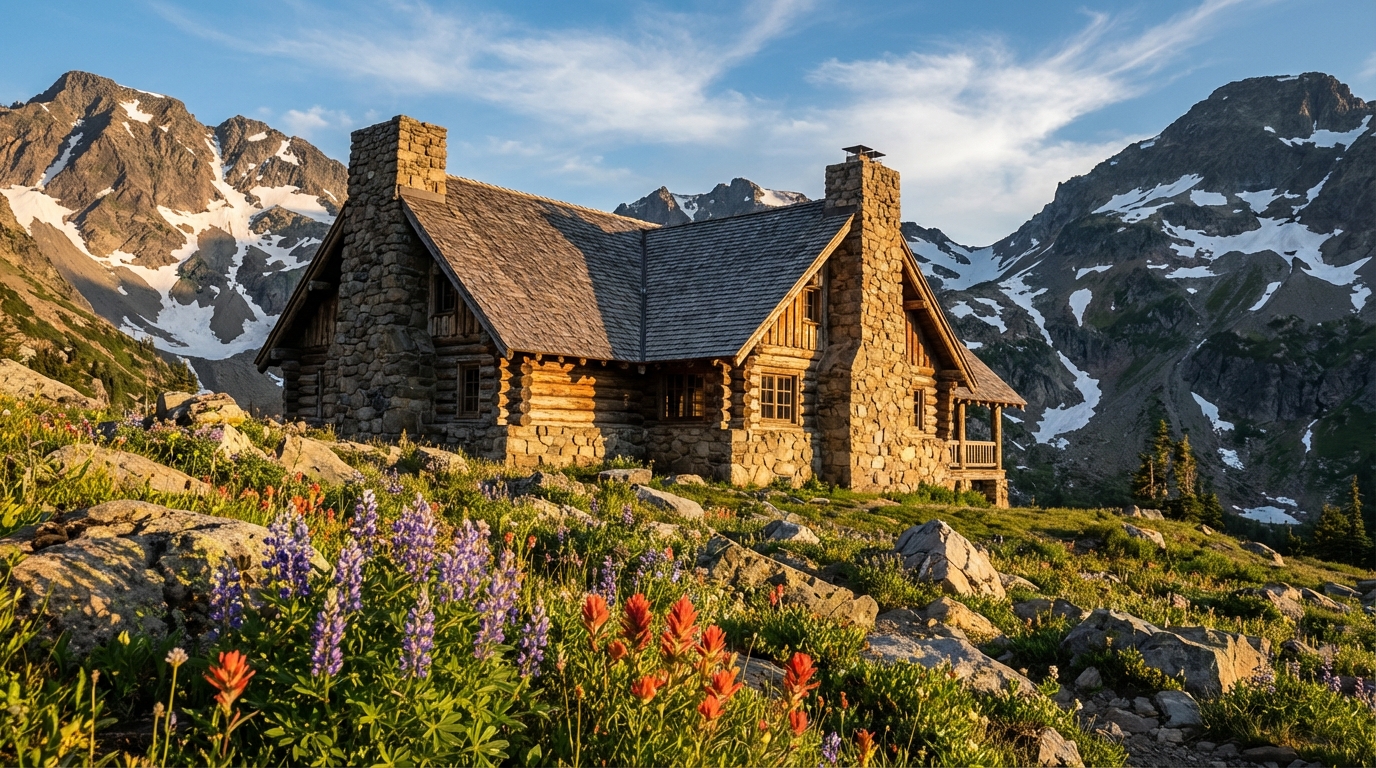

Belton Chalets Inc. has secured a new 10-year concession contract from the National Park Service to operate Granite Park Chalet and Sperry Chalet, the only surviving wilderness hotels within Glacier National Park. The contract, designated CC-GLAC004-26, officially began Jan. 1, 2026, ensuring continued stewardship of these historic backcountry properties accessible only by hiking or horseback. The announcement from West Glacier, Montana, marks a seamless transition for the company, which previously held the concession from Jan. 1, 2015, through Dec. 31, 2025, meaning visitors should experience no interruption in services.
The National Park Service awarded the contract through a fully open and competitive process mandated by the 1998 Concessions Management Improvement Act, selecting the proposal deemed best among submissions. Glacier National Park Superintendent Dave Roemer expressed confidence in Belton Chalets Inc., citing the company’s long-standing provision of exceptional and unique services at both chalets, along with their passion and experience. Hannah Phillips, Operational Chalet Coordinator with Belton Chalets Inc., stated in the company’s announcement, “Belton Chalets Inc. has prided itself on providing outstanding hospitality and customer service to Chalet visitors. We are committed to continuing that legacy going forward.”
The successful contract renewal highlights several factors that outdoor hospitality operators considering expansion onto public lands or seeking permit renewals may find instructive when developing their own competitive positioning. Strong track records of guest satisfaction and safety compliance typically weigh heavily in evaluation processes, as do investments in staff training, maintenance of detailed operational records, and demonstrated financial stability. Building relationships with land management agencies before opportunities arise proves advantageous, whether through attending public meetings, participating in stakeholder sessions, or maintaining open communication with park officials. Superintendent Roemer’s confidence in Belton Chalets—specifically citing their passion and experience—illustrates exactly what differentiates winning proposals from competitors.
Demonstrating commitment to resource stewardship and historic preservation signals alignment with agency missions, particularly when operating legacy properties. Operators who incorporate interpretive programming connecting guests to the natural and cultural significance of their locations often strengthen their proposals. The 10-year contract term underscores the substantial business planning horizon these agreements require, encouraging operators to think strategically about infrastructure investments and long-term operational sustainability.
Both chalets offer overnight lodging during summer months, providing guests with an experience largely unchanged since the park’s early days. Sperry Chalet holds particular historical significance as a National Historic Landmark Hotel, built in 1913 by James J. Hill and his son Louis Hill of the Great Northern Railway, the prime developer of Glacier National Park. The chalet opened in 1914 and sits at 6,500 feet elevation in the wilderness backcountry. In August 2017, the Sperry Chalet dormitory was consumed by a wildfire, prompting the National Park Service to immediately stabilize the remaining stone walls. An ambitious reconstruction project took place over the following two years, and Sperry Chalet returned to full service in 2020.
Abigail Bockus, Administrative Chalet Coordinator with Belton Chalets Inc., emphasized the company’s preservation mission: “We are thrilled to continue our work as stewards of Granite Park and Sperry Chalets. Working in partnership with the National Park Service, we look forward to preserving the history of the Chalets while protecting them for future generations.”
That commitment to preservation shapes how these properties operate day to day. The two properties operate under distinctly different service models, offering valuable templates for operators evaluating backcountry expansion or eco-retreat concepts. Granite Park Chalet features 12 rustic bunk rooms with a total capacity of 40 guests and operates on a self-catering model where visitors prepare their own meals in a common kitchen using food they pack in. This approach reduces staffing requirements and supply chain complexity while appealing to self-sufficient guests at lower price points.
Sperry Chalet takes the opposite approach, operating on an “American Plan” model where lodging rates include three meals daily. The property offers 17 private rooms accommodating two to five persons, with a total capacity of 53 overnight guests. Guest rooms are without lights, heat, or running water, though linens, blankets, pillows, and hand towels are provided. The restroom facility is located outside with sinks for washing but no showers or hot water. Dinner is served from 6 to 7 p.m., breakfast from 7 to 8:30 a.m., and a sack lunch is provided for hiking. A la carte lunch service runs from 11:30 a.m. to 5 p.m. and remains available to day hikers, campers, and horseback riders.
Selecting the right service model for remote properties requires balancing guest expectations, logistical constraints, and financial viability. Full-service models command premium rates but demand reliable supply logistics, trained culinary staff, and appropriate food storage infrastructure. Water and waste management present particular challenges at remote sites, where composting toilet systems, greywater recycling, and rainwater collection have become increasingly accepted solutions. Solar power systems paired with battery storage now provide reliable electricity for essential services at properties far from grid connections, while emerging satellite-based internet connectivity enables real-time reservation management at previously isolated locations. Guest communication remains critical for off-grid operations, as setting clear expectations before arrival about amenities, what to bring, and physical demands reduces complaints and enhances satisfaction.
The financial metrics associated with this contract provide useful benchmarks for outdoor hospitality operators. The estimated annual utility fee for both chalets in 2026 totals $158,014, with projected gross receipts for backcountry operations ranging between $1,093,000 and $1,207,000. For reference, 2025 overnight rates at Sperry stood at $314 for the first person and $203 for each additional person in the same room, plus Montana accommodations tax. New changes are accompanying the start of the new contract, with additional rate and reservation information forthcoming.
Projected gross receipts exceeding $1 million annually from a combined capacity of just 93 guests demonstrates the premium pricing potential of unique wilderness accommodations. This serves as a meaningful benchmark for operators evaluating high-experience, limited-capacity hospitality offerings in protected natural areas. The 10-year contract term illustrates the substantial planning horizon these agreements demand, encouraging strategic thinking about infrastructure investments and operational sustainability when pursuing similar opportunities.
The 2026 summer season runs July 10 through Sept. 13, with reservations opening Feb. 12 on a first-come, first-served basis. The reservation process will mirror prior years, though the company has indicated that new changes accompany the contract transition. Additional details regarding transportation and interpretive workshops will roll out throughout January for guests planning their backcountry adventures at these wilderness retreats.