

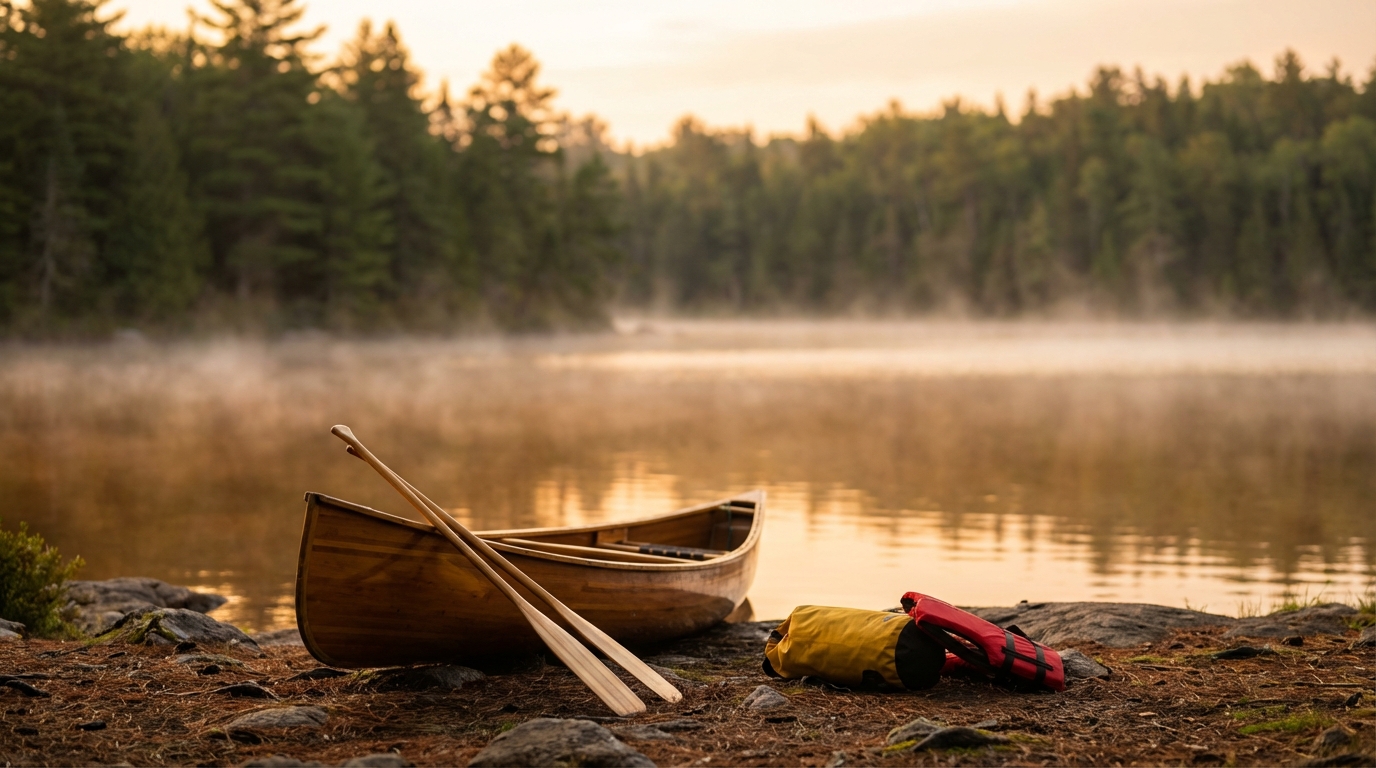

Reservations for the 2026 Boundary Waters Canoe Area Wilderness quota season launched Wednesday at 9 a.m. Central Standard Time, opening a five-month window for paddlers to secure overnight camping permits through the federal government’s online booking platform. The permit system, which covers trips scheduled between May 1 and September 30, operates on a first-come, first-served basis for all entry points, which typically creates high demand as outdoor enthusiasts compete for access to one of the nation’s most visited wilderness areas. For campground and RV park operators in gateway communities surrounding the wilderness, this annual permit scramble represents a significant business opportunity worth preparing for now.
Overnight camping in the wilderness during the quota season requires a quota permit reserved through Recreation.gov, while visitors planning trips from October through April need only a self-issued permit available at entry point kiosks and Forest Service offices without reservation or recreation fees. The distinction matters for outdoor hospitality operators who can position their properties as essential basecamps for wilderness travelers arriving the night before their entry dates. Many paddlers prefer reaching gateway communities a day early to organize gear, prepare food packs, and rest before embarking on multi-day backcountry excursions.
The U.S. Forest Service implemented strict measures for the 2026 season to combat permit hoarding and abuse that has affected previous years. According to Recreation.gov’s permit page, authorities reserve the right to cancel multiple, same-day, overlapping, or consecutive reservations held under the same name without prior notification. This crackdown on system manipulation means legitimate permit seekers may face increased competition for popular entry points, with some inevitably unable to secure their preferred dates despite their best efforts.
Once a reservation is successfully booked, the permit holder, alternate holder, entry date, and entry point cannot be modified under any circumstances. Any necessary changes require cancellation of the original permit and booking a new one, assuming availability remains. The guidance recommended that applicants prepare at least three different travel options, including various dates and entry points, before logging into the system, as popular routes fill quickly.
This rigid booking structure creates direct implications for nearby campground operators. Properties offering flexible cancellation policies and clear modification procedures can build trust with guests whose wilderness travel plans may shift based on permit availability. Automated confirmation emails and text reminders help reduce no-shows while keeping guests informed about check-in procedures and local conditions that could affect their trips.
For the 2026 season, the reservation fee is set at $6 per quota permit, in addition to recreation fees of $16 per adult and $8 for youth and seniors. Permit holders may designate up to three alternates at the time of booking, a critical step since alternates cannot be added after the initial reservation is complete. The maximum group size remains capped at nine people and four watercraft, meaning larger parties must split into separate permitted groups with different entry points or dates.
Campground and RV park operators can capture overflow business from visitors unable to secure their preferred wilderness permits by promoting alternative paddling experiences. Non-quota lakes and lesser-known waterways that do not require advance reservations offer genuine wilderness experiences for disappointed permit seekers. Properties offering canoe and kayak rentals for day trips or guided excursions to these alternative destinations can convert frustrated wilderness enthusiasts into paying guests.
Digital marketing campaigns timed to launch immediately after permit reservation openings can effectively reach visitors searching for backup plans. Email capture strategies and retargeting advertisements focused on wilderness recreation keywords allow operators to maintain connections with potential guests who may try again in future seasons or seek alternative outdoor experiences in the meantime.
Recreation.gov introduced a digital wallet feature allowing users to save credit card information in advance to streamline checkout during the high-demand reservation opening. Permits can also be reserved by calling 877-444-6777. This emphasis on digital convenience reflects broader consumer expectations that outdoor hospitality operators should consider when evaluating their own reservation systems.
Properties implementing user-friendly online booking platforms with saved payment options, mobile-responsive interfaces, and real-time availability calendars tend to convert more website visitors into confirmed guests. Wilderness travelers comfortable with Recreation.gov’s digital tools now expect similar seamless experiences when booking accommodations. Offering mobile check-in, digital campsite maps, and app-based communication options aligns with these guest expectations and can differentiate properties from competitors still relying on phone-only reservations.
The Forest Service continues to emphasize thorough trip planning, including reviewing the BWCAW Trip Planning Guide and consulting with local outfitters or ranger stations for current conditions and route advice. Campground operators can partner with these local outfitters to offer shuttle services, gear rentals, and guided trip planning assistance directly on-site, creating additional revenue streams while enhancing the guest experience.
Pre-arrival communication represents another opportunity to add value for wilderness-bound guests. Sending digital guides that include packing lists, local outfitter recommendations, weather forecasts, and directions to entry points positions a property as a knowledgeable resource rather than simply a place to sleep. Many operators now use automated messaging platforms that deliver this information at scheduled intervals before arrival, reducing staff workload while improving guest satisfaction.
Post-trip visitors often seek hot showers, laundry facilities, and comfortable accommodations before traveling home after days in the backcountry. Properties offering late checkout flexibility, gear washing stations, and dedicated spaces for trip unpacking and cleanup can capture this demand. Installing canoe and kayak storage areas allows guests to secure their watercraft while enjoying a final night of comfort before departing. Strong Wi-Fi connectivity in common areas enables guests to share trip photos, check weather for their drive home, and communicate with family members after days without cell service. Post-stay engagement through email follow-ups requesting reviews, offering loyalty discounts for return visits, or sharing updates about future permit seasons helps build long-term relationships with guests who may become repeat visitors year after year.
