

Registration for the summer and fall 2026 I Can! Outdoor recreation programs in Minnesota state parks and recreation areas begin Friday, March 20. This award-winning series is designed to help beginners master outdoor skills, including camping, fishing, mountain biking, and paddling.
The Minnesota Department of Natural Resources (DNR) offers these sessions from the first weekend in June through the end of September. To assist those without their own gear, the DNR provides all necessary equipment for every program.
Eric Pelto, the special programs supervisor who oversees the I Can! series, stated that the goal is to help people try new activities in a safe and supportive setting. For those looking to advance beyond the basics, the DNR offers more challenging tracks like backpack camping, canoe camping, or sea kayaking.
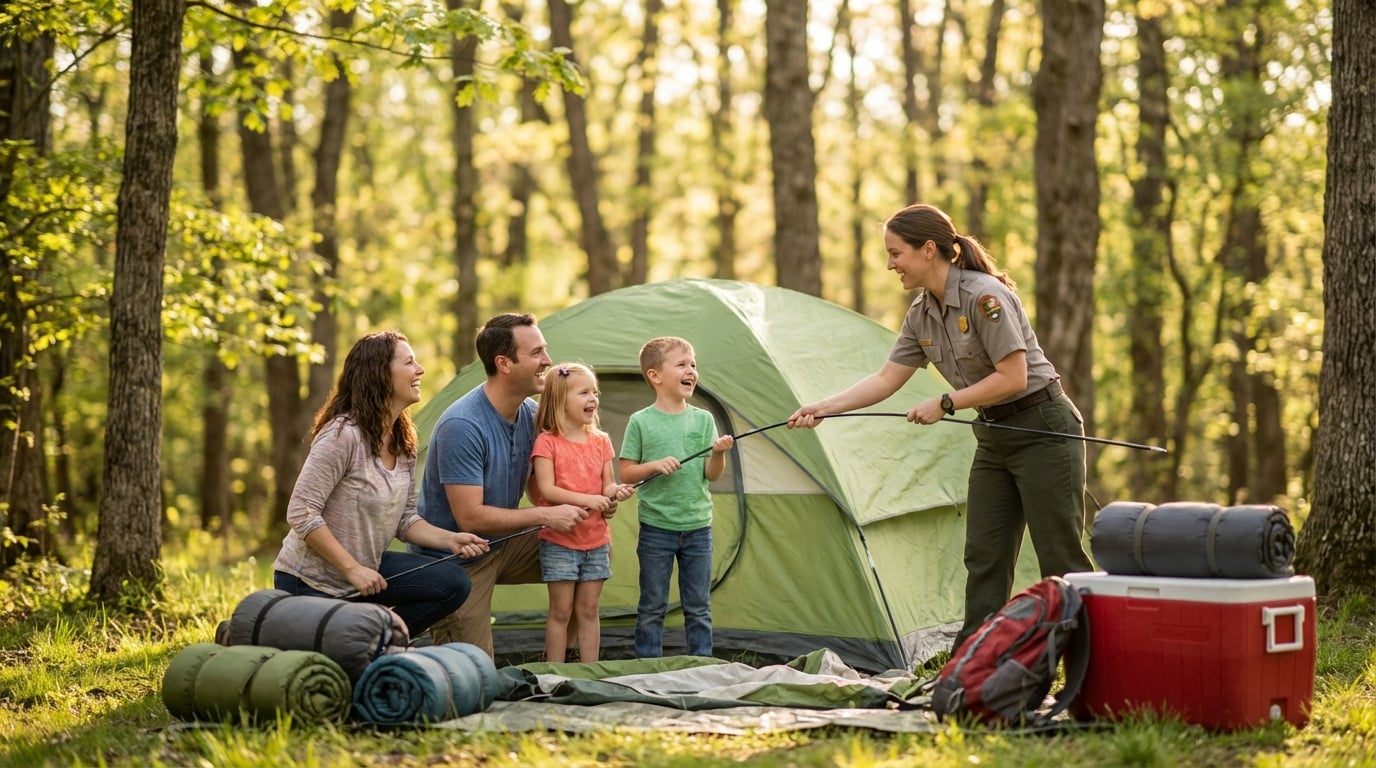
The I Can Camp! initiative features one- and two-night programs at 19 state parks where new campers learn to set up tents, build campfires, and cook outdoors. Specialized backpack camping is hosted at Afton and Lake Maria state parks, while paddle canoe camping is offered at Glendalough, Savanna Portage, and St. Croix state parks.
The I Can Paddle! series includes two-hour lake-based sessions at 12 state parks, as well as sea kayaking on Lake Superior at Split Rock Lighthouse State Park. Other opportunities include I Can Mountain Bike! at Cuyuna Country State Recreation Area and I Can Fish! sessions at Father Hennepin, Fort Snelling, Sibley, and Whitewater state parks.
Registration for these programs can be completed online at mndnr.gov/reservations or by calling 866-857-2757. Program fees also include a state park vehicle permit for the designated dates.
Since 2010, more than 100,000 people have participated in the series. The programs are supported by the Parks and Trails Legacy Fund, which receives 14.25% of the sales tax revenue from the Clean Water, Land and Legacy Amendment to sustain parks of regional or statewide significance.
This news is vital for the outdoor recreation industry as these programs effectively lower the barrier to entry for the next generation of outdoor participants. By providing both the necessary gear and foundational education, the state is building a larger, more confident community of recreationists who are likely to continue participating in these activities independently, ultimately driving long-term demand for public lands and outdoor services.
