

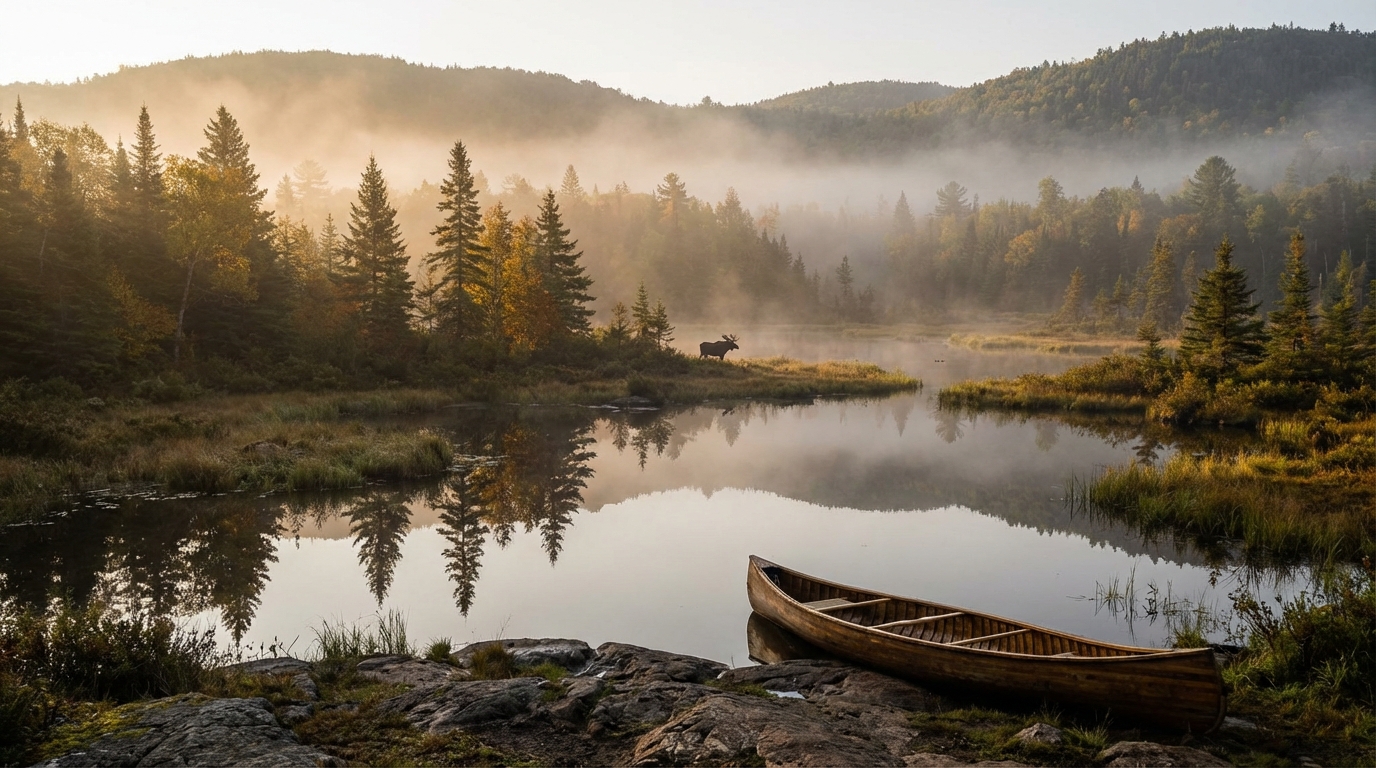

The Trust for Public Land announced recently that the South Branch Forest, a 3,586-acre parcel of land in western Maine, has received permanent protection, creating significant opportunities for outdoor hospitality operators seeking to attract guests to this ecologically rich region near Rangeley. The Trust for Public Land described the area as an ecological gem, and the conservation effort is expected to enhance paddling and hiking opportunities throughout western Maine’s recreation corridor.
When major public lands receive permanent protection, nearby campgrounds, RV parks and glamping resorts typically experience increased visitor traffic as outdoor enthusiasts seek basecamp locations for exploring newly accessible wilderness areas. For operators throughout the Rangeley region and greater western Maine, this conservation milestone represents a tangible business opportunity to position properties as gateway destinations for guests eager to experience the protected landscape.
The South Branch Forest sits at the headwaters of the Kennebec River watershed and features an impressive array of natural resources. The protected area encompasses 580 acres of wetlands, 80 acres of lakes, three Great Ponds and a seven-mile stretch of the South Branch of the Dead River. Located minutes from Rangeley, which serves as a recreation hub, the forest supports healthy populations of moose, deer, waterfowl and brook trout across its undeveloped lakes, ponds and mature tree stands.
Public access provisions secured through this project open diverse recreational opportunities for visitors to the region. The conservation effort guarantees permanent public foot access across the property, supporting hiking, hunting, birding and fishing activities. 7 miles of the Northern Forest Canoe Trail, which connects Maine to New York by water, now enjoy permanent protection within the South Branch Forest boundaries. Designated overland trails will remain open for motorized recreation, including a section of the popular Interconnected Trail System for snowmobiles and ATVs, while a gravel access road provides motor vehicle access to remote ponds.
Outdoor hospitality businesses can leverage these new access points by developing curated guest itineraries highlighting day trips for paddling, hiking, fishing and wildlife viewing in the South Branch Forest. Partnering with local outfitters to offer guided excursions or equipment rentals creates added value for guests while supporting the local outdoor recreation economy. Training staff on the features and access points of the protected lands allows them to serve as knowledgeable resources, enhancing the guest experience and encouraging return visits.
The conservation effort reflects a collaborative approach led by the Trust for Public Land in partnership with the Maine Department of Agriculture, Conservation and Forestry, U.S. Navy and U.S. Forest Service, according to details shared by the organization. The conservation easement is co-held by the U.S. Navy and Maine Bureau of Parks and Lands. Funding was secured through contributions from the U.S. Forest Service Forest Legacy Program and the U.S. Department of Defense Readiness and Environmental Protection Integration Program. A private landowner whose contributions were essential to the project’s success will retain ownership and use of the land.
The newly conserved forest will be managed to achieve multiple objectives that balance preservation with sustainable use. Approximately half the area will be dedicated to preserving older forests, sensitive habitats and rare species, while the remaining half will continue sustainable timber harvesting for forest products. This dual-purpose approach supports Maine Won’t Wait, the state’s climate action plan, through carbon sequestration, carbon storage and nurturing a mature forested environment.
This balanced conservation model offers a template for outdoor hospitality operators looking to demonstrate environmental stewardship. Sustainability has become a core expectation among outdoor recreation travelers, and properties that implement eco-friendly practices often see stronger guest loyalty and positive reviews. Operators can preserve natural vegetation and mature trees on property grounds to support local ecosystems and contribute to carbon storage, implement water conservation measures, consider renewable energy installations and offer recycling and composting programs with clear guest education.
Properties establishing themselves early as preferred accommodations near newly protected lands can build lasting brand recognition among the outdoor recreation community. RV parks and campgrounds near Rangeley should consider updating marketing materials to emphasize proximity to protected wilderness, which increasingly appeals to eco-conscious travelers seeking authentic nature experiences. Creating packages that bundle accommodations with outdoor activities such as canoe rentals for the Northern Forest Canoe Trail or guided birding tours can differentiate properties in a competitive market.
Protecting wetlands and waterfront areas through buffer zones and pursuing eco-certifications represent additional strategies for operators seeking to align their businesses with conservation values. By highlighting their own sustainability efforts alongside nearby protected lands like the South Branch Forest, campground and glamping resort owners can create a cohesive narrative that resonates with guests seeking meaningful outdoor experiences in Maine.
Digital guest engagement platforms now allow properties to communicate sustainability initiatives and highlight nearby conservation lands directly to visitors. These tools can share leave-no-trace principles and encourage responsible recreation, reinforcing the connection between conscientious hospitality operations and the protected wilderness areas that draw visitors to the region.
The South Branch Forest protection represents both an environmental victory and a strategic opportunity for outdoor hospitality operators throughout western Maine. The combination of permanent public access, diverse recreational offerings spanning paddling to snowmobiling, and alignment with state climate initiatives creates multiple angles for nearby campgrounds, RV parks and glamping resorts to enhance their guest experience and market positioning. Properties that move quickly to position themselves as ideal basecamps for exploring this 3,586-acre ecological treasure stand to benefit from the increased interest this conservation milestone will generate among outdoor enthusiasts.