

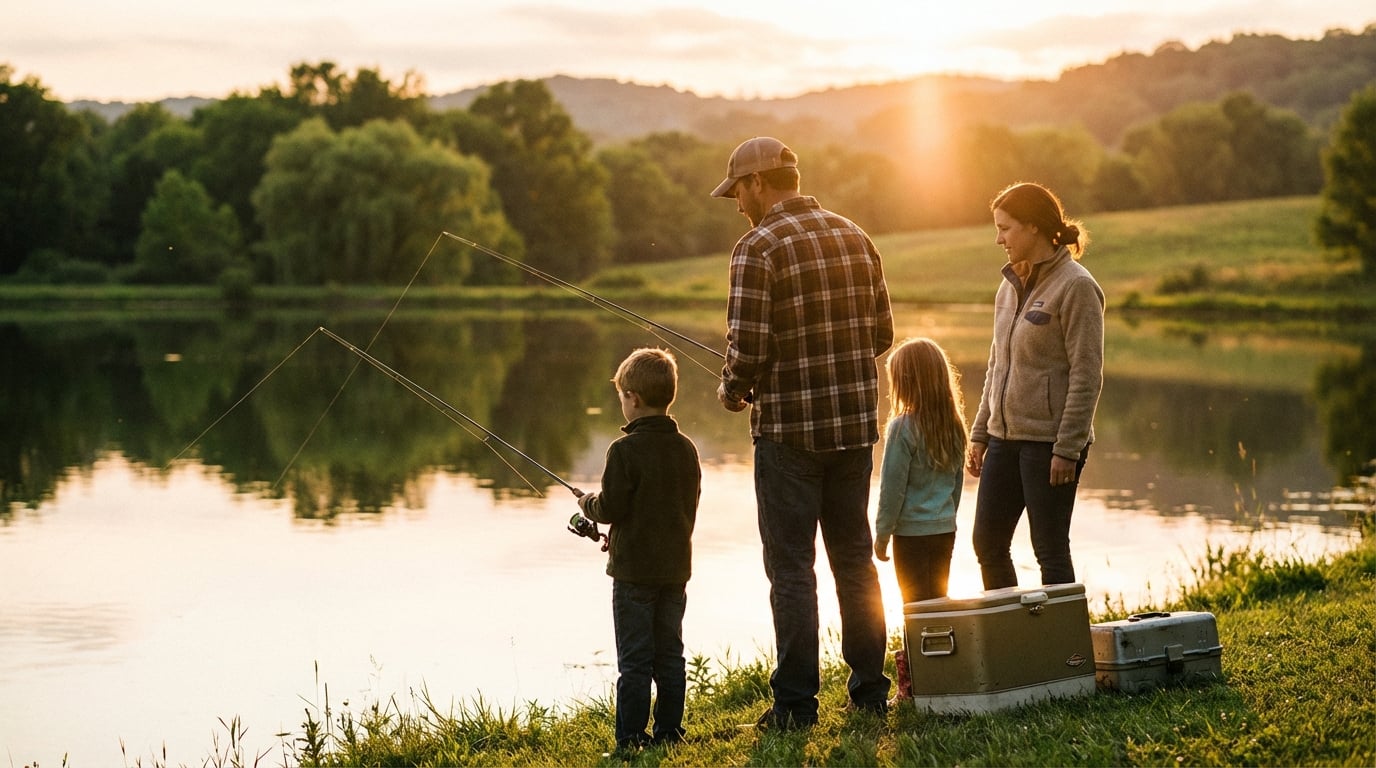

The Kansas Department of Wildlife and Parks has announced a series of Free Fishing Days and Free State Park Entrance Days scheduled throughout 2026, providing residents and visitors with opportunities to access public outdoor resources without standard licensing or entrance fees on designated dates.
According to the agency, Free Fishing Days will take place on June 6 and 7, 2026. During those two days, individuals may fish by legal means without a Kansas fishing license. All existing length and creel limits will remain in effect.
In addition, all Kansas state parks will offer free entrance on Wednesday, April 22, 2026. While vehicle entrance fees will be waived for that day, camping fees will continue to apply.
“These free days are a great opportunity for Kansans and visitors alike to get outside and enjoy Kansas’ natural resources,” Secretary Christopher Kennedy said. “Whether you’re fishing, hiking, picnicking, or simply spending time outdoors, we hope these days encourage people to connect with nature and with each other.”
Beyond the statewide events, the department has also designated park-specific Free Entrance Days tied to local events and programming, according to a press release.
The following parks will offer free entrance on the dates listed: April 29 at Tuttle Creek State Park; May 2 at El Dorado State Park; May 16 at Milford State Park; June 6 at Prairie Dog State Park; June 13 at Cedar Bluff State Park and Historic Lake Scott State Park; June 20 at Wilson State Park; July 3 at Cross Timbers State Park; July 11 at Little Jerusalem Badlands State Park; September 12 at Sand Hills State Park; September 13 at Lovewell State Park and Webster State Park; September 19 at Clinton State Park and Hillsdale State Park; September 26 at Cheney State Park, Crawford State Park, and Fall River State Park; October 10 at Meade State Park; October 17 at Eisenhower State Park; and October 24 at Kanopolis State Park, Perry State Park, and Pomona State Park.
The Kansas Department of Wildlife and Parks manages 29 state parks, 177 lakes and wildlife areas, more than 300 public waterbodies, and five nature centers. In addition to park operations, the department oversees law enforcement, wildlife habitat programs, and the management of threatened, endangered, and at-risk species.
For business owners in the outdoor recreation, RV, and camping sectors, the designated free days may present opportunities to align promotions, seasonal events, or partnership marketing efforts with anticipated increases in park visitation.
Operators located near participating parks may consider adjusting staffing, inventory, or programming to accommodate potential surges in day-use traffic, while also reinforcing compliance messaging around camping fees and fishing regulations that remain in place.
Monitoring attendance trends during these no-fee periods could also inform future pricing and event strategies.
More information about Kansas state parks, fishing opportunities, and scheduled events is available at ksoutdoors.gov.
