

McIntosh Woods State Park in Ventura, Iowa, has closed its campground for the entire 2026 season as the Iowa Department of Natural Resources undertakes a comprehensive renovation project aimed at modernizing the facility for contemporary recreational vehicles and improving the overall visitor experience. The closure, which began in early March, targets a reopening for the 2027 camping season, giving crews a full year to complete extensive infrastructure work at the 60-acre park in Clear Lake. Visitors seeking information about the project can contact the park office at 641-829-3847.
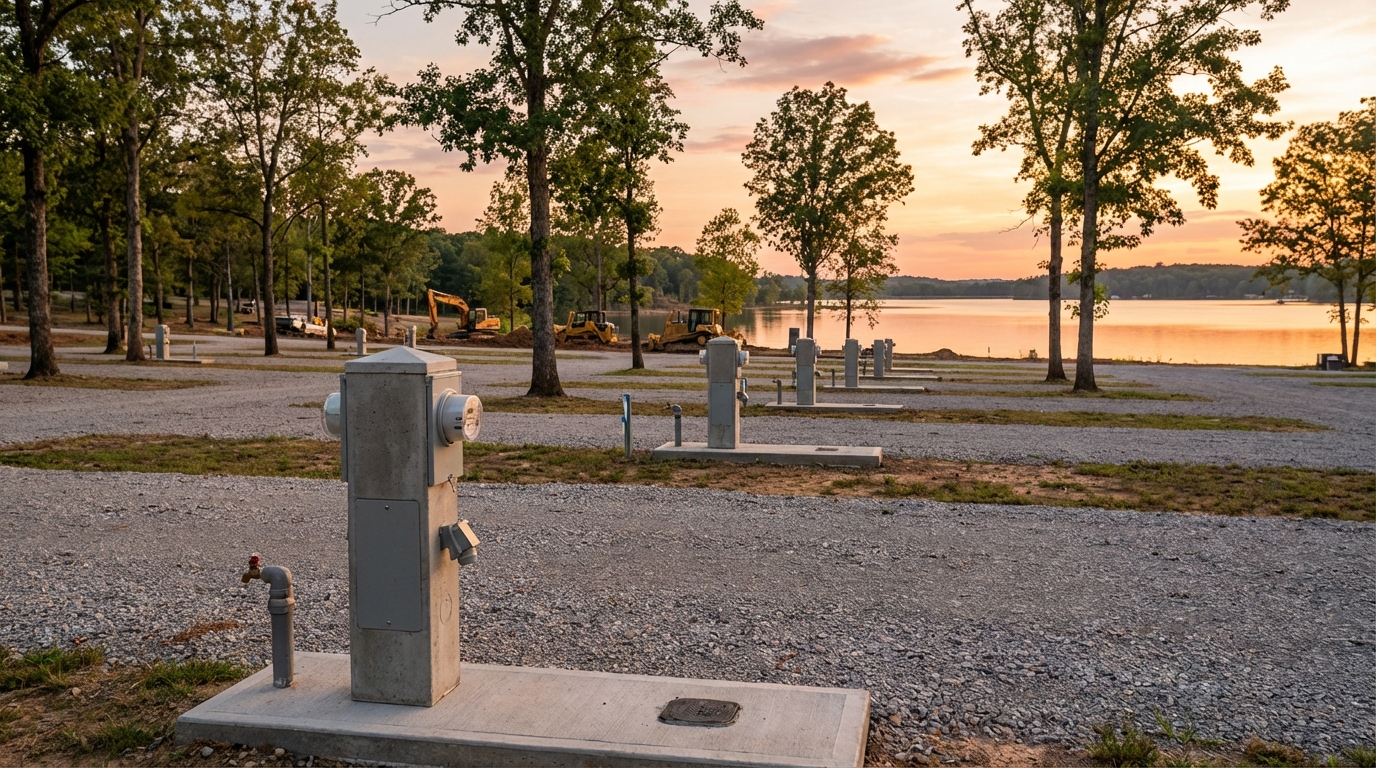
The renovation encompasses a complete redesign of the campground layout to improve visitor accessibility and comfort, along with installation of a new shower house and restroom facility replacing older amenities. Full hook-up campsites and upgraded 50-amp electrical service round out the major infrastructure enhancements planned for the park. These electrical upgrades directly address a pressing reality facing campgrounds across the country: modern RVs, particularly Class A motorhomes and luxury fifth wheels, increasingly require 50-amp service to operate multiple air conditioning units, residential refrigerators, entertainment systems, and other high-draw appliances simultaneously. Parks offering only 30-amp or 20-amp service find themselves unable to accommodate these units, potentially losing bookings to competitors with upgraded infrastructure. The McIntosh Woods project illustrates how even well-established parks must periodically undergo substantial electrical upgrades to remain competitive in the evolving outdoor hospitality marketplace, offering a useful reference point for private campground owners evaluating their own facilities.
The renovation timing follows significant storm damage that struck the park last summer. On July 28, 2025, a powerful storm swept through Northern Iowa, heavily impacting McIntosh Woods State Park and uprooting or destroying approximately 120 trees. No visitors were injured during the storm, and no park buildings sustained damage, according to Clear Lake tourism information detailing the renovation plans. The park reopened to the public on August 22, 2025, with ongoing recovery work including filling large holes left by uprooted trees, reseeding damaged areas, and replanting trees throughout the property. Eight trees have already been replanted thanks to donations from Iowans who wanted to support the recovery effort.
The storm damage created an opportunity that campground operators often encounter after unexpected events. When significant repairs are already required due to events like storm damage, bundling modernization efforts into a single closure period represents an efficient use of resources for campground operators. This approach minimizes cumulative disruption to visitors compared to executing multiple smaller closures over several years. Private campground and RV park owners facing similar decisions about renovation timing may find this model instructive, as comprehensive projects, while initially more disruptive, often prove more cost-effective and operationally sound in the long term.
Despite the campground closure, the majority of McIntosh Woods State Park remains accessible to the public for day-use activities and alternative lodging. The boat ramp, fish cleaning station, picnic areas, trails, and shoreline all remain operational throughout the renovation period. Visitors can continue enjoying fishing, boating, kayaking, hiking, birdwatching, and sunset views over Clear Lake. Notably, the park’s yurts remain available for reservation during the renovation, offering an alternative lodging option for guests who want to experience the park. These are the only two yurts in the Iowa state park system, making them a distinctive draw for visitors even while traditional campsites are unavailable.
Private campground owners planning major renovations may find value in this revenue continuity approach. The continued operation of alternative lodging and day-use facilities demonstrates how diversifying accommodation options provides a financial safety net during facility upgrades, allowing parks to continue serving guests and generating income even when traditional campsites are offline. Day-use fees for amenities like boat ramps, fishing areas, and picnic facilities can offset some revenue loss during extended closures. For operators considering future development, investing in alternative lodging units such as yurts, cabins, or glamping tents creates operational flexibility that proves useful when renovation periods inevitably arise.
Local tourism officials in Clear Lake have advised campers to seek alternative accommodations in the area while the project is underway. This advisory highlights an opportunity that operators can consider: establishing partnerships with nearby campgrounds or RV parks during extended closures. By referring displaced guests to partner facilities, operators maintain goodwill with their customer base and often receive reciprocal referrals when those partner facilities undergo their own renovations. This collaborative approach has become increasingly common in regional camping associations, and private operators planning major projects should consider formalizing these referral arrangements before their own closures begin to ensure guests remain within a trusted network.
Proactive guest communication about closures, ideally six to twelve months in advance, allows regular visitors to adjust their plans and maintains the relationship between the park and its loyal customer base. Many successful operators maintain email lists and social media channels specifically to keep past guests informed about reopening dates and the new amenities they can expect when facilities reopen. Offering pre-booking opportunities for the reopening season can stabilize projected revenue and build anticipation, with some operators providing early-bird discounts or loyalty rewards for guests who reserve in advance for the first season after renovations are complete.
McIntosh Woods State Park carries a rich history that adds significance to the current modernization effort. The land was once owned by Rose McIntosh, a Chicago widow, and after two decades of negotiations, the State of Iowa purchased the property in 1943. The park was officially established in 1944, meaning it has served outdoor recreation enthusiasts for more than eight decades. The 60-acre property features a 1.5-mile boardwalk trail through Mallard Marsh leading to a wildlife viewing blind, a boat cleaning station as part of the CLEAR Project initiative, a beach and sandbar area, and forested hiking trails. Winter activities including cross-country skiing, snowshoeing, and ice fishing extend the park’s appeal year-round.
The comprehensive nature of the McIntosh Woods renovation reflects broader trends reshaping the outdoor hospitality industry. For RV manufacturers and dealers, ongoing campground modernization creates a more welcoming environment for customers considering higher-end RV purchases that require reliable 50-amp service. The continued development and sale of feature-rich units depends in part on campground infrastructure keeping pace with the capabilities of modern recreational vehicles. When established parks like McIntosh Woods invest in upgraded electrical systems and full hook-up capabilities, it signals to consumers that the destinations they want to visit can accommodate the amenities they expect in contemporary units.
An emerging consideration in campground electrical planning involves accommodating electric vehicles and electric RVs. While the market for electric RVs remains in early stages, forward-thinking park owners are beginning to install or plan for EV charging capabilities alongside traditional RV electrical service. This trend aligns with broader sustainability goals increasingly valued by outdoor recreation consumers and positions parks to serve the next generation of recreational vehicles as electrification technology matures.
The targeted reopening for the 2027 camping season will bring McIntosh Woods State Park into alignment with modern guest expectations, featuring the redesigned layout, new shower and restroom facilities, full hook-up campsites, and upgraded electrical infrastructure that contemporary RV travelers demand. For outdoor hospitality professionals watching this project unfold, it offers a case study in strategic renovation planning, demonstrating how public parks and private operators alike can approach major infrastructure projects in ways that minimize disruption while maximizing long-term value for both the facility and its guests.
