
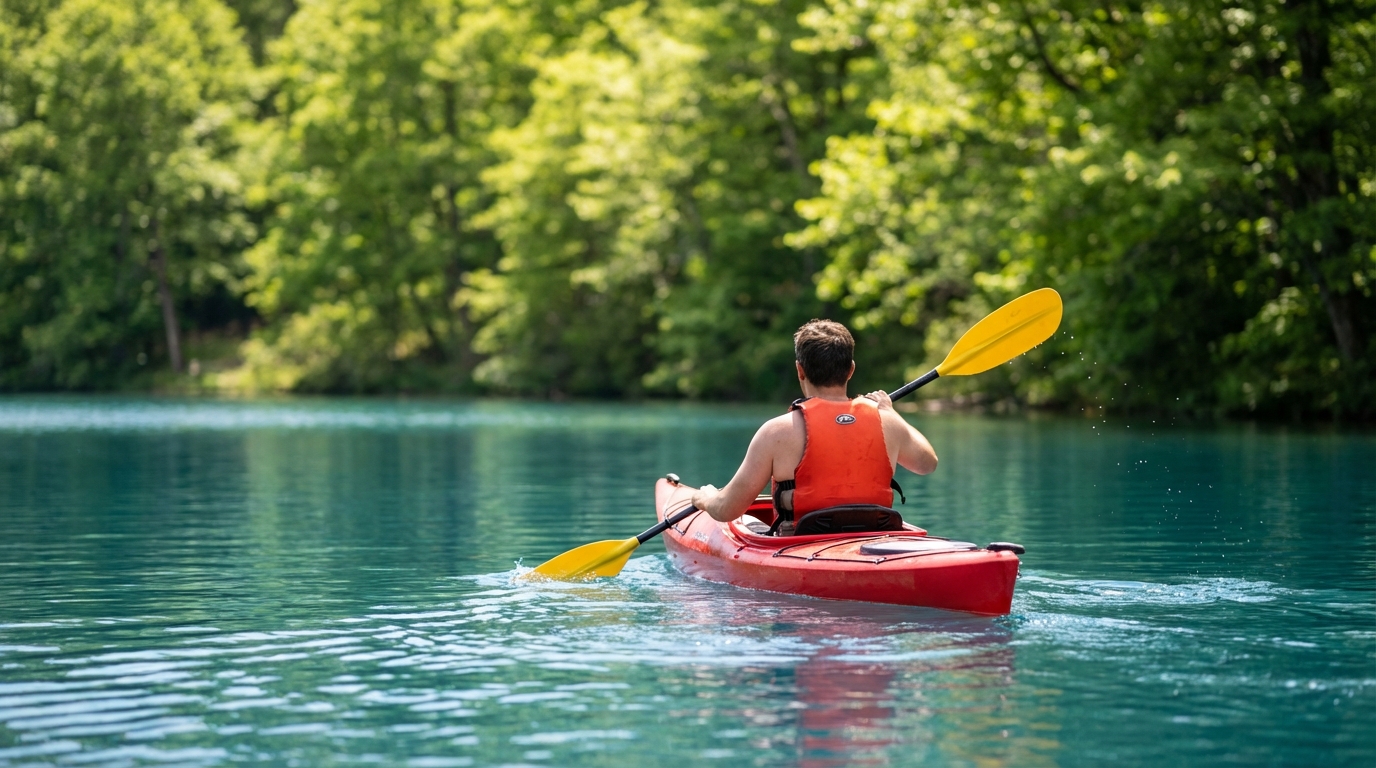

Connecticut’s Department of Energy and Environmental Protection has opened bidding for private operators to provide canoe, kayak and stand-up paddleboard rentals at seven state parks, expanding a successful 2024 pilot program that tested similar services at four locations. The solicitation, identified as RFP number DEEP-2026-011-MM with proposals due Feb. 27, 2026, reflects growing demand for outdoor recreation access as the state seeks to enhance visitor experiences without significant new public investment, according to the agency’s announcement.
The initiative arrives amid strong tailwinds for outdoor recreation both regionally and nationally. Connecticut’s outdoor recreation economy, valued at $5.5 billion, grew 9.2 percent in 2023, outpacing the national average of 9 percent, according to federal Bureau of Economic Analysis data cited in the announcement. Nationally, outdoor participation reached a record 181 million people in 2024, growing 3 percent year over year based on Outdoor Industry Association figures. Services awarded through this solicitation are expected to be operational during the 2026 recreation season.
This concession model reflects a growing trend in private outdoor hospitality where operators partner with specialized vendors rather than managing all amenities in-house. Properties located near swimmable or paddleable water bodies often command premium rates compared to similar facilities without water access. The state’s approach—seeking private vendors rather than operating rentals directly—demonstrates recognition that specialized operators often deliver better guest experiences and operational efficiency.
The seven locations included in the solicitation span diverse regions across Connecticut. They include Burr Pond State Park in Torrington, Hopeville Pond State Park in Griswold, Indian Well State Park in Shelton, Lake Waramaug State Park in Kent, Mount Tom State Park in Litchfield, Pattaconk Lake/Reservoir Recreation Area within Cockaponset State Forest in Chester/Haddam, and Squantz Pond State Park in New Fairfield.
“Connecticut offers the most accessible outdoor recreation in the country, and our state parks are at the heart of that experience,” said DEEP Commissioner Katie Dykes in the Feb. 2, 2026, press release announcing the RFP. “Through the Office of Outdoor Industry & Experiences, DEEP is working closely with private-sector partners to create new, convenient ways for people to enjoy the outdoors, including exploring lakes and ponds right in our State Parks. These partnerships help us expand access, enhance visitor experiences, and ensure our parks continue to meet the growing demand for outdoor recreation across the state.”
DEEP’s Office of Outdoor Industry and Experiences, launched in 2024, used a Partnership in Parks Request for Information to gather ideas from businesses and the public, leading to the pilot program that preceded this expanded solicitation. The popularity and success of those initial services demonstrated visitor demand for paddlecraft rental opportunities extending across multiple seasons and locations.
Prospective vendors face a condensed timeline for participation. DEEP scheduled a public informational webinar for Feb. 5, 2026, from 3 to 4 p.m. EST via Zoom. Optional site visits requiring advance registration will take place Feb. 9-11, 2026. The schedule includes Indian Well State Park at 10 a.m. and Squantz Pond State Park at 1 p.m. on Feb. 9; Hopeville Pond State Park at 10 a.m. and Pattaconk Lake Recreation Area at 1 p.m. on Feb. 10; and Lake Waramaug State Park at 10 a.m., Mount Tom State Park at 11:30 a.m. and Burr Pond State Park at 1:30 p.m. on Feb. 11. Registration for site visits requires emailing Tenia Seay at DEEP.parksdivisionRFP@ct.gov at least 24 hours in advance, and visits only occur if the agency receives registration requests. Expected contract terms span three years from 2026 through 2029 with potential extensions, and full RFP documents are available through the CTsource Bid Board.
Outdoor hospitality operators considering this opportunity or similar services at their own facilities should understand several operational fundamentals. Campground operators and RV park owners interested in bidding should note that seasonal storage represents a significant infrastructure consideration in northeastern climates—covered or indoor facilities are typically needed to protect inventory during off-season months. Liability insurance specifically covering watercraft activities is essential, with most industry professionals recommending coverage addressing both equipment damage and participant injury. Staff training in basic water safety and rescue techniques is standard practice, and many operators require current CPR and first aid certifications at minimum. Pre-launch safety orientations covering paddle technique, weather awareness and return procedures help reduce incidents and improve guest satisfaction. Equipment maintenance should include daily visual inspections of hulls, paddles and personal flotation devices, with stock rotation and retirement of vessels after several seasons of heavy use.
“Adding paddlecraft rental services to more state parks shows DEEP’s commitment to elevate the visitor experience, promote tourism, and increase access to the outdoors,” said Jeff Shaw, director of DEEP’s Office of Outdoor Industry and Experiences, in the Feb. 2, 2026, press release. “This opportunity also provides an economic development opportunity for local businesses. We encourage all canoe, kayak, stand-up paddleboard, or paddleboat operators and outfitters to review this RFP, attend the informational meeting on February 5 and site visits from February 9-11 and apply before the deadline of February 27, 2026.”
Shaw’s emphasis on economic development opportunities for local businesses underscores the broader value of public-private partnerships in expanding recreation access. Revenue-sharing arrangements represent one common model where property owners provide space while third-party operators handle equipment, staffing and liability. Fixed-fee lease arrangements offer more predictable income but may limit upside during peak demand periods. Digital booking integration has become increasingly important, as guests expect to reserve equipment online and seamless booking experiences typically drive higher utilization than walk-up-only models. Eco-friendly equipment options, including vessels made from recycled materials, are gaining popularity among environmentally conscious travelers.
Operators in other states should watch for similar public concession opportunities as agencies increasingly seek to expand recreation access through partnership models rather than direct operation. The Connecticut initiative demonstrates how public lands managers are recognizing the value of specialized operators in delivering quality guest experiences while supporting broader economic development goals.
All RFP inquiries should be directed to Tenia Seay at DEEP.parksdivisionRFP@ct.gov. Additional resources available include the Connecticut Office of Outdoor Industry and Experiences webpage and Location Descriptions and Photos document. The initiative supports broader state investments through the Passport to the Parks program and Restore CT State Parks initiative, continuing efforts by Gov. Ned Lamont and the state legislature to meet growing demand for outdoor recreation experiences.
