

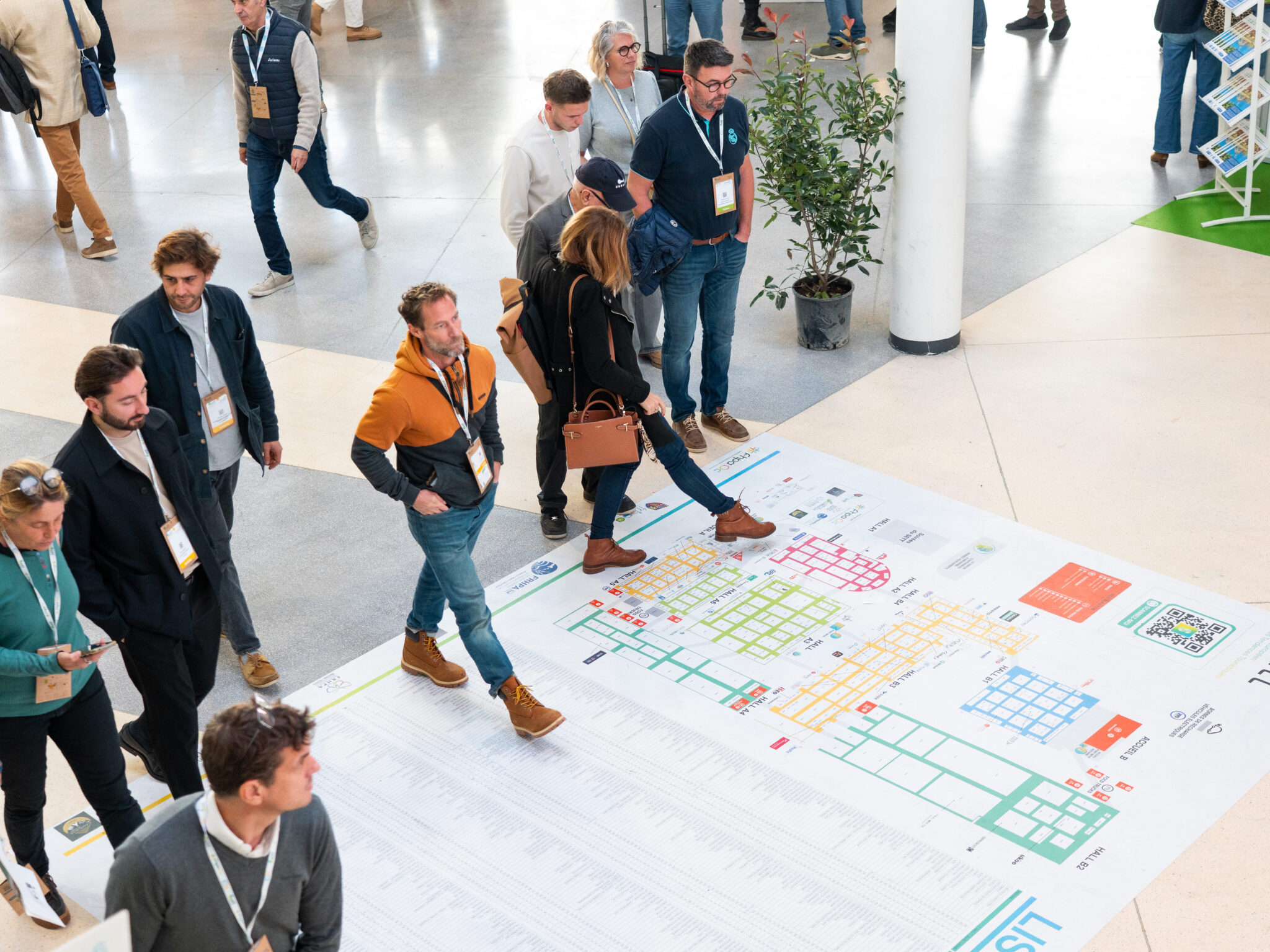

Philippe Robert, president of the Fédération de l’Hôtellerie de Plein Air Occitanie (FHPA Oc), indicates that while the Mediterranean coast drives current revenue, the future of the industry lies in inland expansion and a 10-year operational transformation focused on climate resilience.
With about 30 million overnight stays annually, the Occitanie region currently accounts for 20% of all outdoor hospitality stays in France, positioning it as one of the primary engines for the country’s tourism sector.
Speaking with Modern Campground at the 46th European Trade Fair of Tourism Trends (SETT) in Montpellier, Robert outlined the strategic direction for the federation, which represents 850 members across 13 departments, including more than 800 campsites.
“Our main purpose is to defend our members’ interests regarding state law, social, environment, and every regulation that has consequences on our companies,” he told Modern Campground (translated from French) in an exclusive interview.
Shifting Traveler Demographics
While the coastal strip remains dynamic, Robert identifies the region’s greener, inland departments as the primary area for future capacity growth.
This shift aligns with evolving consumer demand. “We have people showing up for green, quiet places, near rivers, lakes, and mountains, away from mass tourism,” Robert told Modern Campground.
The region’s ability to cater to a broad economic spectrum facilitates this volume.
Robert highlighted the diversity of inventory, noting that the region offers everything from nature-oriented, two-star establishments at €20 per night to five-star coastal resorts charging €200 per night. This variety allows the region to capture diverse market segments, from campers seeking affordability to those demanding high-end amenities.
Infrastructure and Climate Adaptation
When asked about the Federation’s priorities in the coming year, Robert reinforced the association’s commitment to a long-term operational overhaul to address climate change, specifically water scarcity.
Following severe dry seasons beginning in 2023, water management has become an immediate operational necessity rather than a theoretical goal.
He stated that the objective for 2026 is to initiate a transformation plan that will modernize campgrounds over the next decade. This includes updating mobile home layouts, integrating green spaces, and adopting renewable energy solutions like solar power.
“The goal for 2026 is to start this transformation to prepare the new campgrounds over the next 10 years,” he told Modern Campground.
Occitanie’s combination of climate, geography, and diverse tourism offerings sets it apart from other European destinations. Robert described the region’s appeal as encompassing both affordability and high-end options.
“You can go from very simple, nature-oriented two-star establishments to five-star gems by the sea,” he said. The variety extends to experiences, from rivers and mountains to historic villages and culinary offerings.
Cooperation as a Business Asset
Beyond geography and amenities, Robert said the sector’s cooperative culture is a major strength. Operators often collaborate on best practices and share innovations despite being competitors in the marketplace.
“The real big difference is the cooperation,” Robert said. “We have done extraordinary work, exchanged ideas, created a dynamic, and shared good practices.”
Robert also pointed to international collaboration as an opportunity for growth and knowledge exchange. He mentioned existing partnerships with Spain and potential cooperation with Canada to share methodologies and improve standards across borders.
As the federation moves toward 2026, Robert said its priorities include maintaining business stability, advancing sustainable tourism practices, and preparing campgrounds for climate-related challenges, ensuring the region remains a leading destination for campers from Europe and beyond.
SETT concluded on November 6 at the Montpellier Exhibition Centre, cementing its role as Europe’s leading professional event for the outdoor hospitality and tourism industries, with a strong international presence fueled by visitors from Spain, the Netherlands, Italy, Germany, Belgium, and Portugal, reinforcing the fair’s status as a key crossroads for tourism professionals across the continent.
The 2026 edition of SETT is scheduled for November 3-5 at the Montpellier Exhibition Centre.
Featured image by Marion Barges / Agence Seize9