


Pootcorners Alpacas, a 24-acre farm in Ontario, continues to draw visitors through its combination of agricultural programming and small-scale camping experiences. The family operation, established by Peter and Suelaine Poot, began in 1989 and introduced alpacas to the property in 2003.
The couple expanded their work with the herd over time, developing both fibre and meat production and participating in industry organizations including Alpaca Canada, Alpaca Ontario, the Alpaca Owners Association, and the Canadian Llama and Alpaca Association.
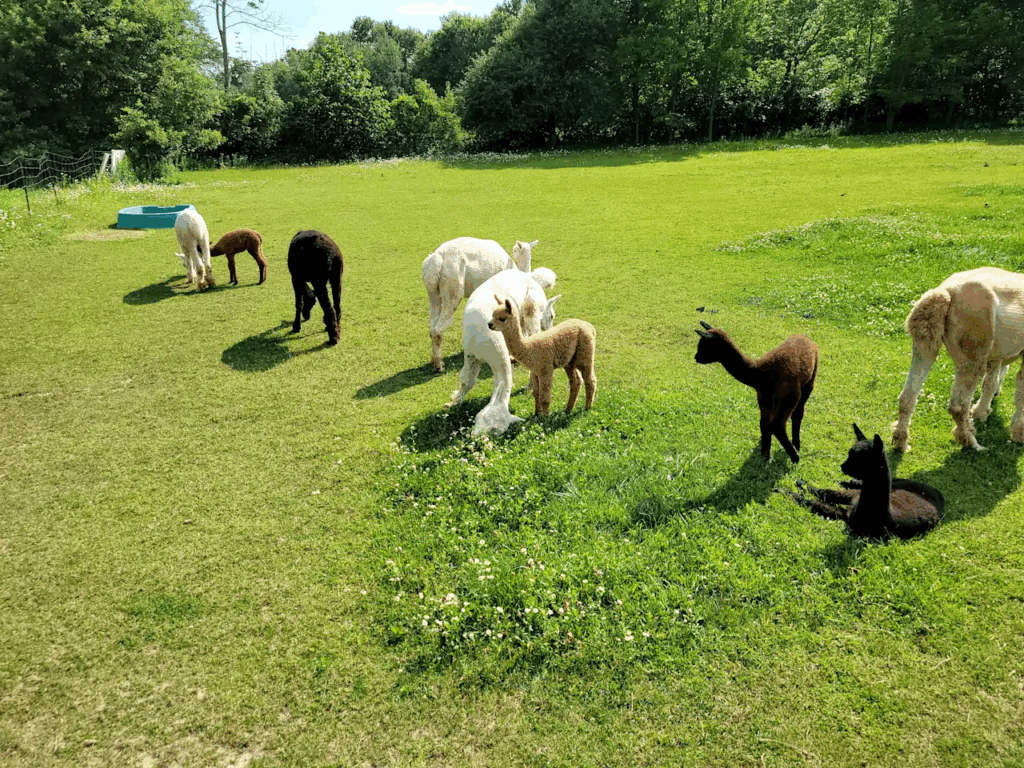
The farm now maintains more than 50 alpacas, including Suri and Huacaya breeds. Seasonal activities shape much of the on-site experience. Shearing takes place in May, and June is the primary birthing and breeding month.
Visitors sometimes observe cria births, although the owners note that “they birth quickly, so watch carefully.” Farm tours can be booked online and include explanations of the fibre-harvest process and opportunities for alpaca walks.
Camping has been part of the property’s use for many years, beginning with scouting groups that regularly used the on-site bush area. In 2021, the Poots joined Hipcamp to expand access to the land and offer broader public stays.
Since joining the platform, Pootcorners has received several recognitions, including finalist placements for “Best in Ontario” in 2023 and “Best Tent Sites” in 2024.
Three camping areas are available. Site 1, known as The Bush, is a walk-in tent area located about 300 metres from parking and includes a pit toilet, a large fixed table, benches, and a fire pit.
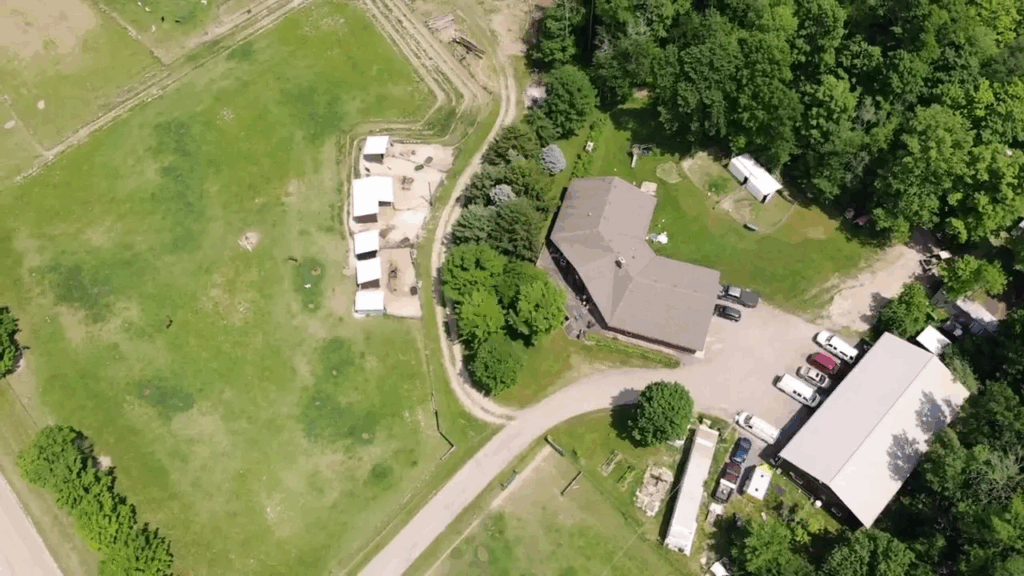
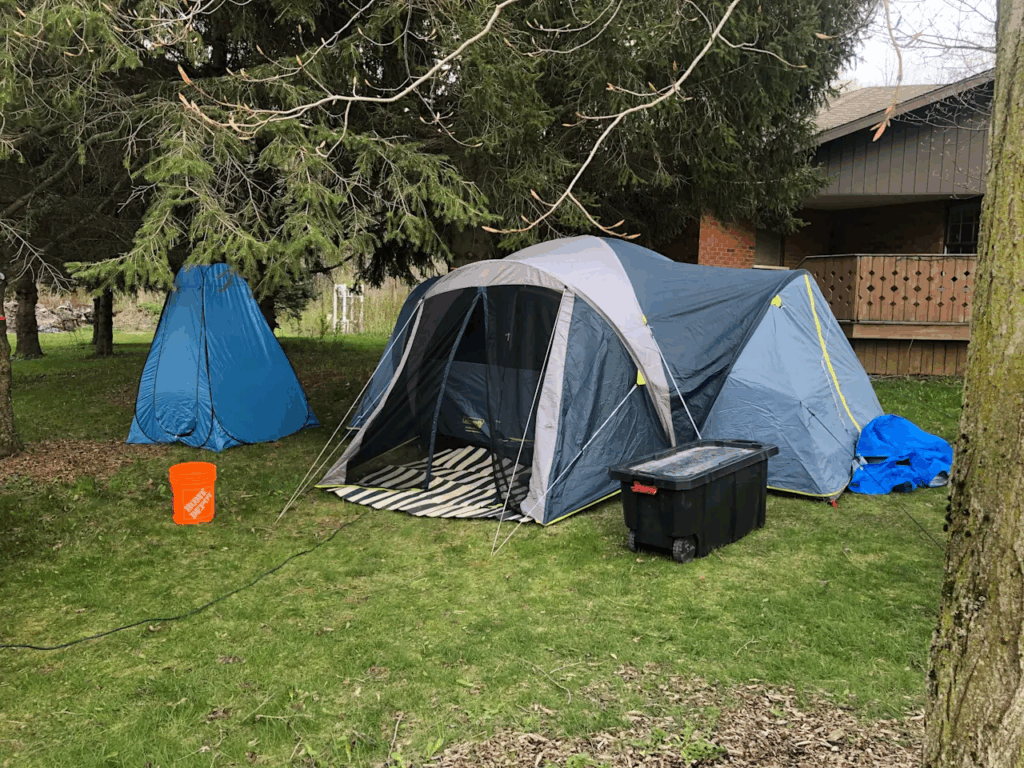
Sites 2 and 3 are situated closer to the house and alpaca paddocks and can accommodate tents or RVs, including larger travel trailers.
Site 2 offers 15-amp electrical service and a water hookup for an additional nightly fee, while Site 3 provides 15- or 30-amp service, water hookups, and a park grill. Both sites vary in parking layout depending on pasture rotations and weather conditions.
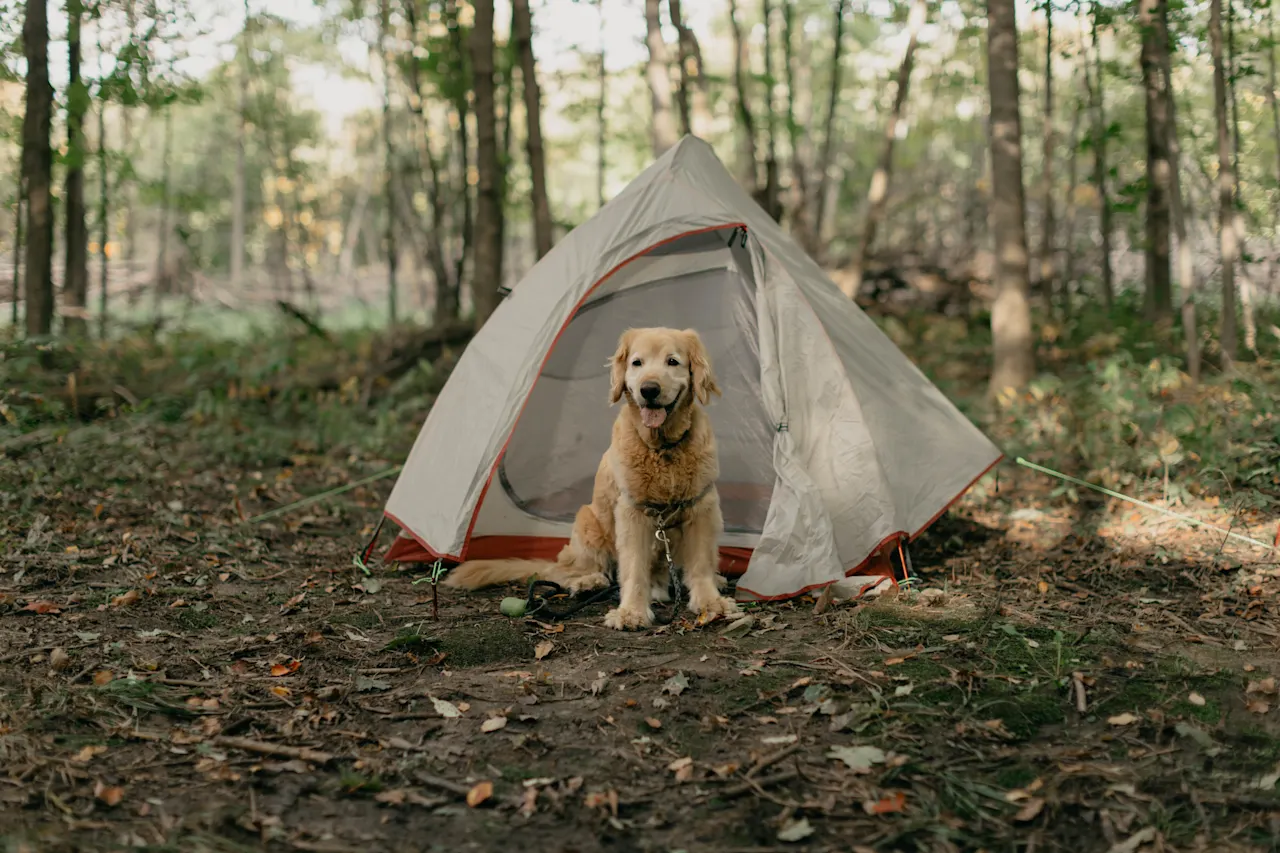
The farm maintains several policies intended to protect the animals. Dogs are permitted but must remain leashed due to the owners’ note that “alpacas are terrified of any canines.” Waste stations and recycling options are located near the parking area, and potable water is available, but must be carried to Site 1.
For business owners in the outdoor hospitality industry, Pootcorners illustrates how agricultural operations are integrating camping as a revenue diversification strategy while leveraging their core assets.
Its model demonstrates opportunities for farms to extend their value through agritourism, fibre-production education, and livestock-based programming. The incorporation of walk-in tent areas, RV-friendly sites, and seasonal interpretive experiences shows how farms can tailor offerings to a broad range of guests while maintaining agricultural priorities.
As interest grows in experiential stays, operations such as Pootcorners offer an example of how small farms are turning existing land features into structured, bookable accommodations that supplement traditional income streams.
Featured image by Pootcorners Alpaca Farm via hipcamp.com