

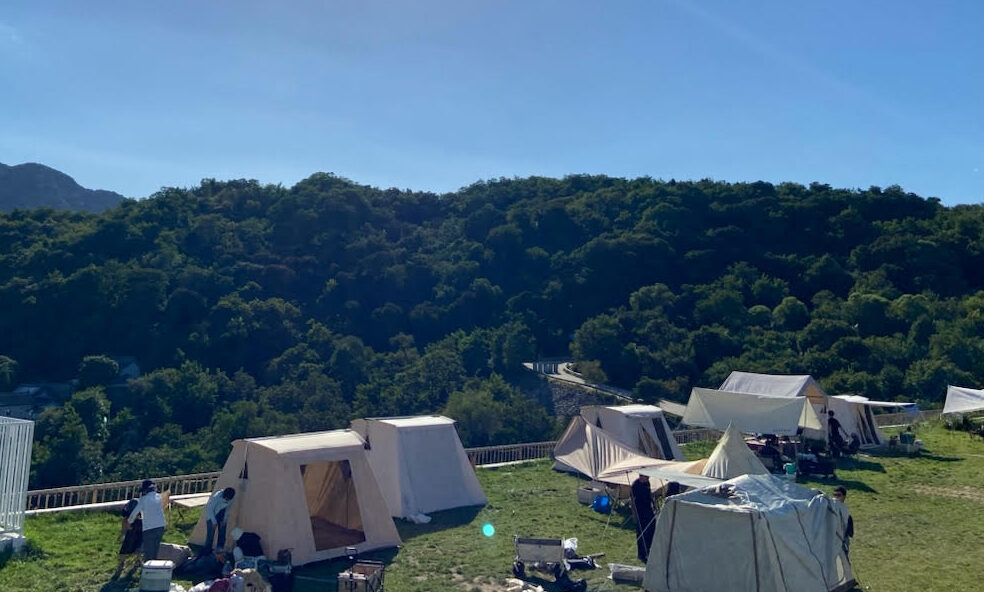

China’s camping market is growing, presenting new opportunities and unique challenges for both domestic and international operators, with rules and market conditions still unpredictable.
In an exclusive interview with Modern Campground, insights from Cai Haiying, a graduate of the Master of Tourism and Hospitality Innovations studying camping trends in China and Europe, reveal that government regulations, sustainability awareness, and market maturity are key factors shaping this evolving industry.
Cai recently presented a session titled “Camping in China – Potentials, Trends and Challenges” at the 19th Annual Croatian Camping Congress, which opened October 27 at the Amadria Park Hotel Ivan in Šibenik (Croatia)
In her presentation, she described 2020 as being referred to by the media as “the first year of camping,” driven by the pandemic when local travel was limited and people sought connection with nature.
By 2023, the industry faced significant challenges, including the bankruptcy of more than 6,000 camping-related companies, according to Qichacha. Miye Camp, a camping-information mobile app that listed over 3,000 campsites and served 600,000 users, also shut down in March 2023 after two years of operation due to difficulties attracting investment.
Regional diversity within China adds a layer of challenges. Cai explained that it is difficult to generalize how camping is developing across China because each region has very different market structures and practices.
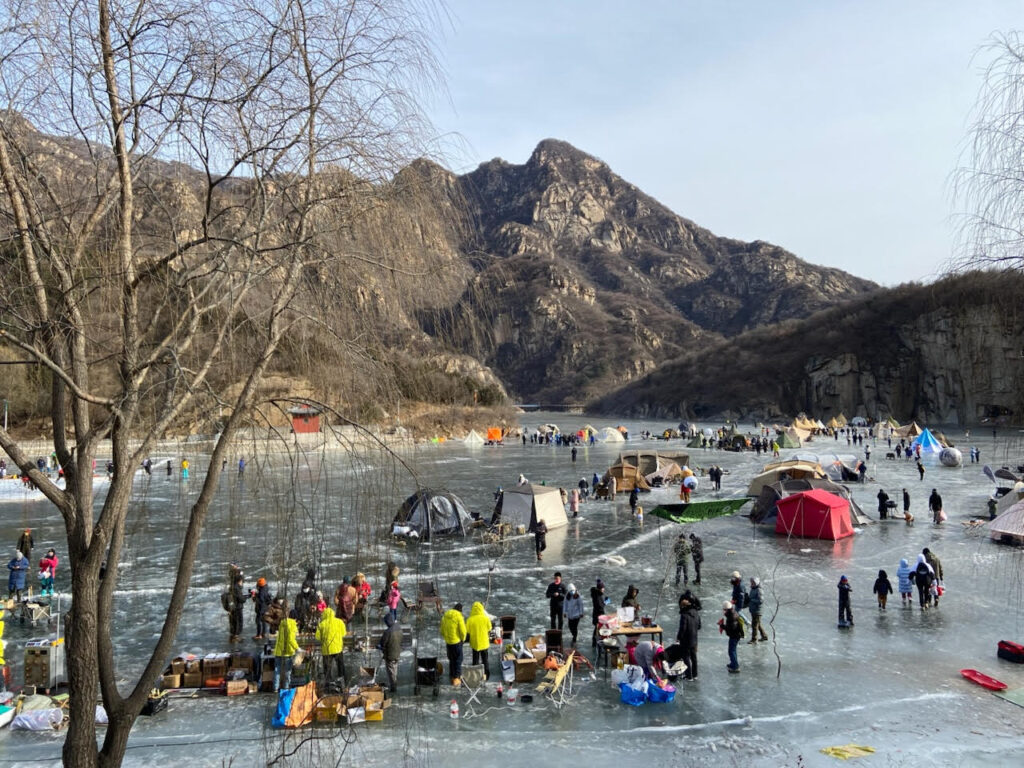
The country’s vast and diverse landscape makes it challenging to provide detailed comparisons. Cai shared examples from her research, mentioning one campsite near the Beijing area and another in Tibet, a luxury glamping site operated by a large company.
In her observation, some campsites excel in sustainability, integrating local culture and providing employment opportunities for the community, while others in different regions perform less well, highlighting significant regional disparities.
Land Use and Policy Challenges
Another challenge is land use. “Land use is a really important issue because in China, it’s not allowed to own land. So the land is actually owned by the government. You cannot own this land privately,” Cai explained.
Policy shifts can create uncertainty for campsite owners. “Maybe now they’re open to all the business, like they’re welcoming people to do business in the countryside, but [a] few years later their strategy changes and they will say you are not allowed to use this land in the future. Then your business is not secure.”
“So you have to change or leave. This land use issue is really important because, in China, you cannot really own the land,” she reiterated.
This dependence on government strategy highlights the need for clear and consistent regulations. Cai emphasized that having clear standards is crucial for campsite owners, as it allows them to invest more confidently in their operations.
Without clear rules, owners may be hesitant to invest in their campsites, limiting growth and development.
Sustainability and Camper Preferences
Beyond land ownership challenges, sustainability remains in development. “Camping is really close to nature… both campsite owners and the campers, they don’t have that much awareness of environmental sustainability,” Cai said.
She mentioned that some campsite operators are beginning to implement eco-friendly measures, including providing electric charging stations, using solar panels, and separating waste to generate energy for reuse, signaling an emerging focus on sustainability, though practices are not yet fully planned or standardized.
These observations align with findings from the April 2024 report by Modern Campground and Cairn Consulting Group, which reviewed sustainable practices in campgrounds in the U.S. and their impact on guest experience and operations.
The report found that about half of leisure travelers would choose a campground with sustainability practices over one without, and a majority believe such measures enhance their overall experience. Cai’s insights highlight that sustainability is emerging in China’s camping market.
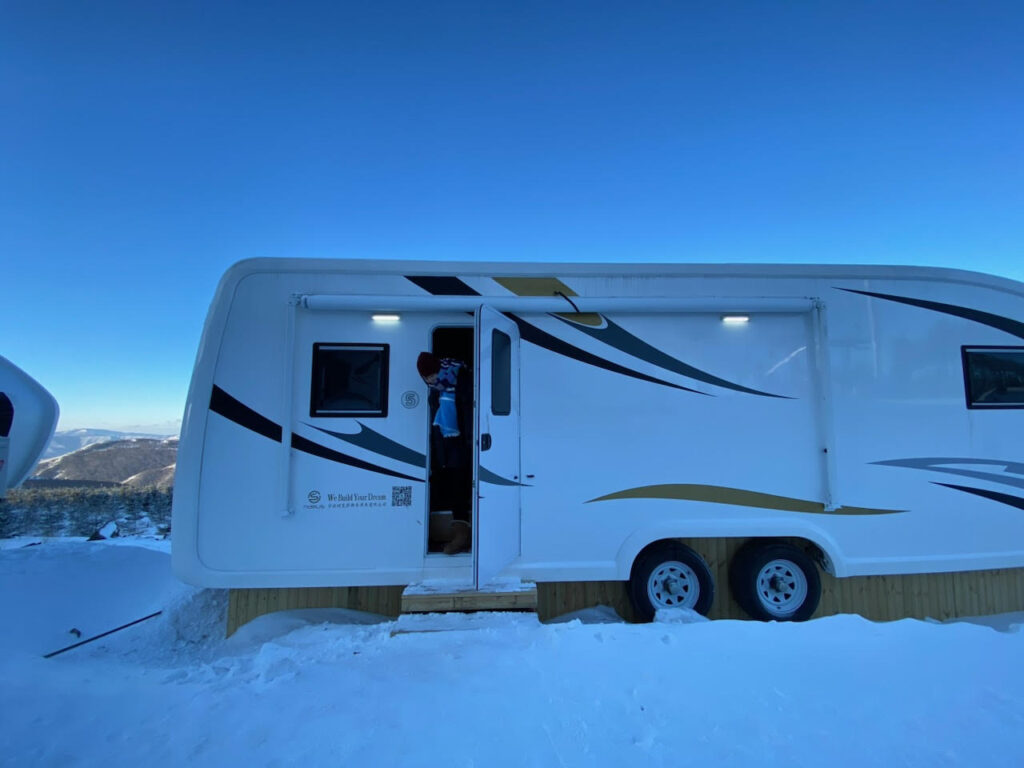
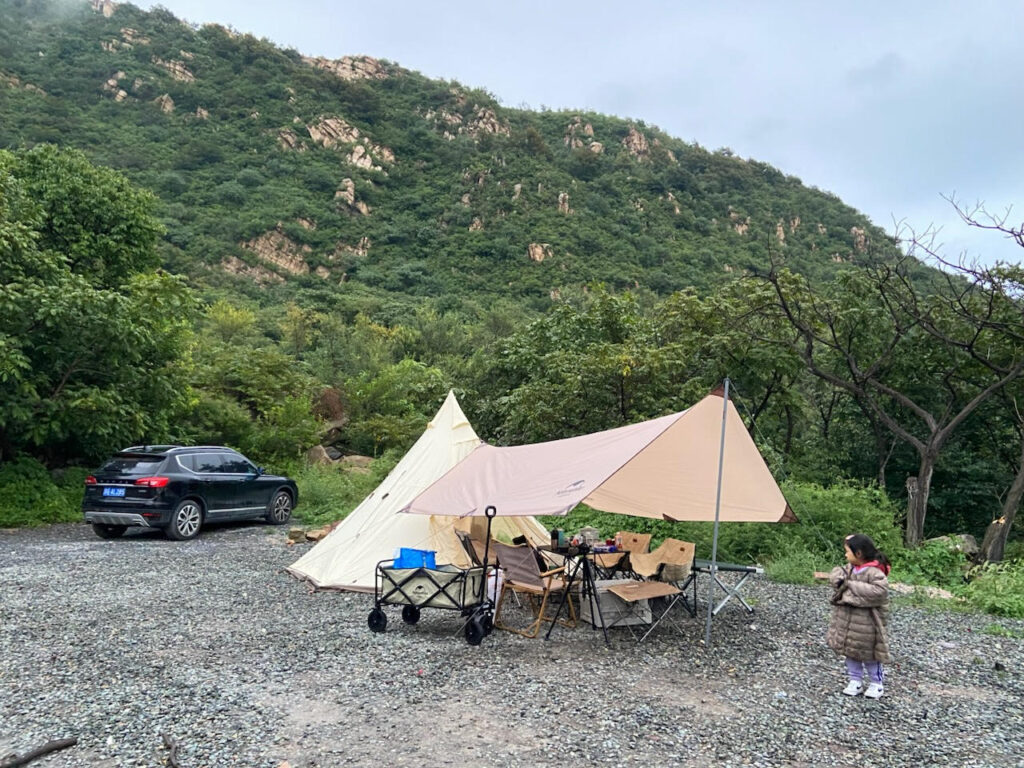
When asked about types of camping, Cai shared that most campers in China prefer tent camping over RV or caravan camping, largely due to logistical challenges such as car ownership and limited parking, highlighting how operators are adapting to meet these guest preferences.
Many campers come from major cities and prefer weekend getaways, partly due to China’s limited paid holidays, which typically allow a maximum of two weeks, prompting them to reserve longer breaks for international travel. In addition, there is a growing, though less pronounced, trend of retired individuals traveling for extended periods in RVs, particularly in regions like Yunnan.
Cai highlighted the Chinese slogan, “Green mountains are actually golden mountains,” reflecting efforts to promote rural tourism and economic growth, including opportunities for establishing campsites in these areas. Such initiatives align with broader trends seen in Europe and North America, where travelers seek rustic, nature-connected experiences away from urban life.
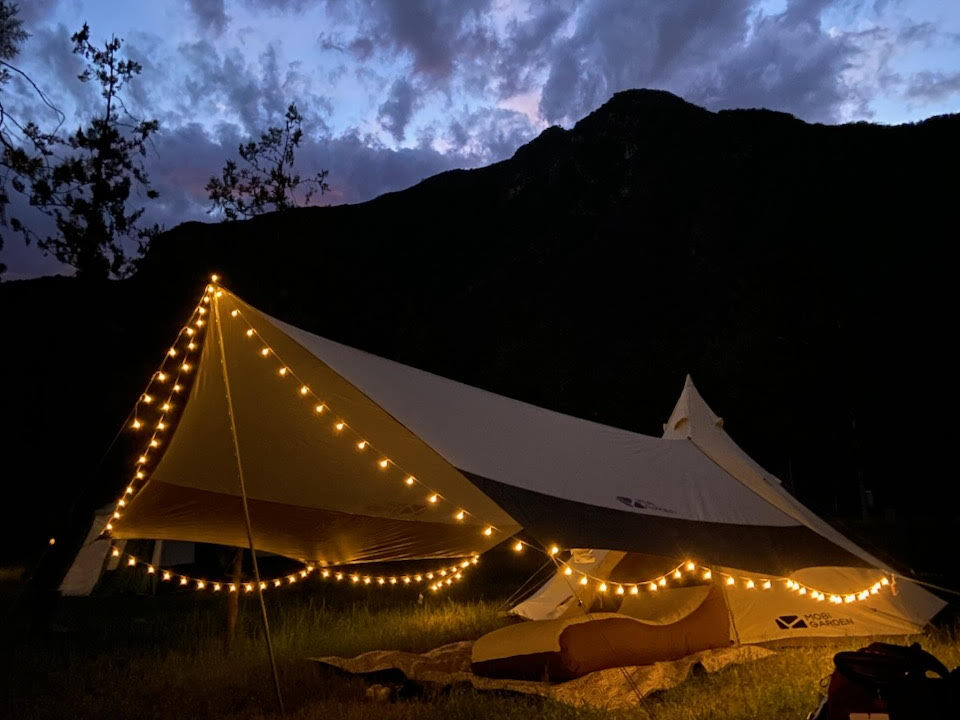
The Chinese camping market is maturing from a trend to a lifestyle choice, according to Cai. “The campers won’t only go camping as a trend… They will go camping more often as a lifestyle. They will choose camping as one of their holiday options,” she said, indicating that operators must provide more attractive experiences to retain visitors.
As camping in China shifts from a novelty to a lifestyle, campsites will need to improve their facilities and services. She noted that government regulations are expected to become more standardized, allowing campers to enjoy a better overall camping environment.
On International Travel
International operators also face specific barriers in engaging Chinese travelers. “So I think for Chinese tourists, traveling in Europe for a camping trip is easier than for Europeans traveling to China for the same purpose,” she told Modern Campground. Social media platforms such as Xiaohongshu play a critical role in sharing experiences and influencing travel decisions.
Conversely, Europeans traveling to China encounter more obstacles.
Cai stated, “There are more barriers… language barriers, it’s quite hard… it’s sometimes even hard for me to look for all the camping information… you have to search [for] all the information at different channels and different platforms.”
Marketing and International Opportunities
Marketing strategies are essential for bridging these gaps. Cai highlighted the role of influencers: “Nowadays, Key Opinion Leaders (KOLs) are quite important because people spend much more time on social media. When they saw some Vlog or some photos… they will get interested.”
Bundled travel packages can also help convert interest into bookings. Cai said that combining tours with flight tickets or offering car rentals alongside flights can help travelers decide to choose a camping trip.
For European operators, understanding cultural preferences is key. Cai emphasized, “I also want to be part of the bridge and try to figure out how we can bring the markets together and let people have an easier way to find all this information.”
Looking ahead, Cai anticipates that Chinese campsites will become more concept-driven. “It’s about time to slow down to have more concept or content in the campsites. It’s not only the campsites because they know the markets better,” she said.
Despite challenges, the market’s growth potential is substantial. “It will [still be] growing,” Cai concluded, signaling an opportunity for both domestic and foreign operators to innovate while respecting local culture and sustainability principles.
Featured image by Cai Haiying