

About 15 years ago, Ross Hunter and his father, Archie, used leftover building materials to create a duck house. The project’s distinctive arched shape attracted interest from friends and neighbors, who began asking the father-and-son team to build larger versions for sheds and outdoor shelters.
That early demand eventually led to the creation of Armadilla, a Midlothian, Scotland-based manufacturer of modular accommodation units for the hospitality and outdoor experience sectors. The company now produces three primary models—the Pod, Wave and Kurv—with each unit designed to include en-suite facilities, smart technology, furniture and controllable ventilation.
Armadilla’s units have been used for different hospitality applications, including guest accommodation for weddings in Northumberland and retreats in Portugal. The company says the modular structures can be customized according to the requirements of individual operators.
The units are largely completed at Armadilla’s factory before being flat-packed and transported to their destination. Installation can generally be completed within a few days. “Throw in a coffee maker and some bedsheets, and you’re ready to go,” says Ross Hunter.
Durability and energy performance are also central to the company’s approach. Hunter says the business aims to design units with a long service life, rather than relying on sustainability claims that are not reflected in the products. “I don’t believe in greenwashing, and our goal is to make the units last at least 50 years.”
The company uses materials and construction methods intended to support that objective, including acetylated timber, high-performance insulation and relatively airtight construction. The units also feature mechanical heat recovery ventilation systems that the company says can recover about 80% of the heat or cooling generated by their air-source heat pumps. Energy-efficient LED lighting and A-rated appliances are also included.
For outdoor hospitality operators, the approach illustrates how modular accommodation manufacturers are increasingly treating energy efficiency, durability and installation time as part of the overall operating proposition.
Shorter installation periods can potentially reduce disruption during site development, while standardized manufacturing can help operators deploy multiple units with greater consistency.
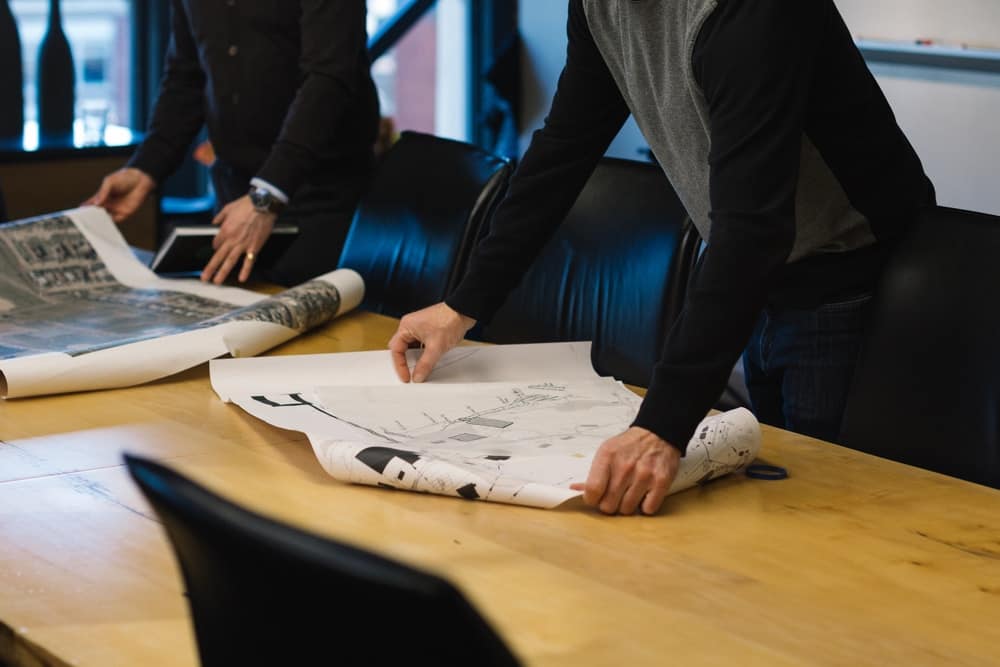
Armadilla also changed its digital design process as the company expanded, according to Develop3D. Initially, the team used SketchUp, but increasingly complex projects created challenges with file sizes, revisions and production workflows.
Hunter recalls one incident in which a bathroom sink obstructed the path of a glass door, reinforcing the need for a design system that could better connect design changes with manufacturing.
He subsequently began learning Autodesk Fusion through online videos. “I just love the way everything is integrated from CAD to CAM with Fusion,” he says. “You make a change in the design and it follows right through to the CAM.”
According to Armadilla, moving from SketchUp to Fusion reduced project timelines from approximately six to eight months to six to eight weeks and cut design cycles by about 80%.
The company also uses Fusion’s Manufacturing Extension to improve material utilization. Rather than nesting components for individual units, Armadilla can nest parts across entire projects. Hunter says this has reduced material consumption by as many as 28 sheets on some projects, with each sheet costing approximately £50.
The company estimates that the process can save as much as £1,400 in materials per project. “It’s part of our lean principles. We want to minimise waste. The offcuts are nested, and everything is numbered, so we can sort it efficiently once it comes out,” Hunter explains.
The manufacturing software is integrated with Armadilla’s 3-axis and 5-axis CNC equipment, allowing the company to maintain a connected workflow from design through production.
For campground, glamping and other outdoor hospitality operators, the development of Armadilla demonstrates how accommodation suppliers are combining off-site manufacturing with digital production tools.
Beyond the guest-facing features of a modular unit, factors such as installation time, material efficiency, durability and the ability to modify designs without extensive rework can influence the economics of adding or expanding an accommodation offering.
