


Clayoquot Wilderness Lodge, a seasonal wilderness resort on the shores of the Clayoquot Sound UNESCO Biosphere Reserve in British Columbia, continues to position itself as a remote luxury accommodation combining outdoor recreation, eco-tourism, and conservation initiatives.
Located on Ahousaht First Nations land, the 600-acre property is accessible only by boat or seaplane, placing it among a growing segment of destination lodging experiences that emphasize limited access and immersion in nature.
The resort operates seasonally from May through September, with scheduled arrival and departure days on Thursdays and Sundays. Guests travel from Vancouver International Airport by floatplane or from Tofino by boat. Nightly rates begin at CAD $3,200 and include accommodations, meals, and a range of guided outdoor activities.
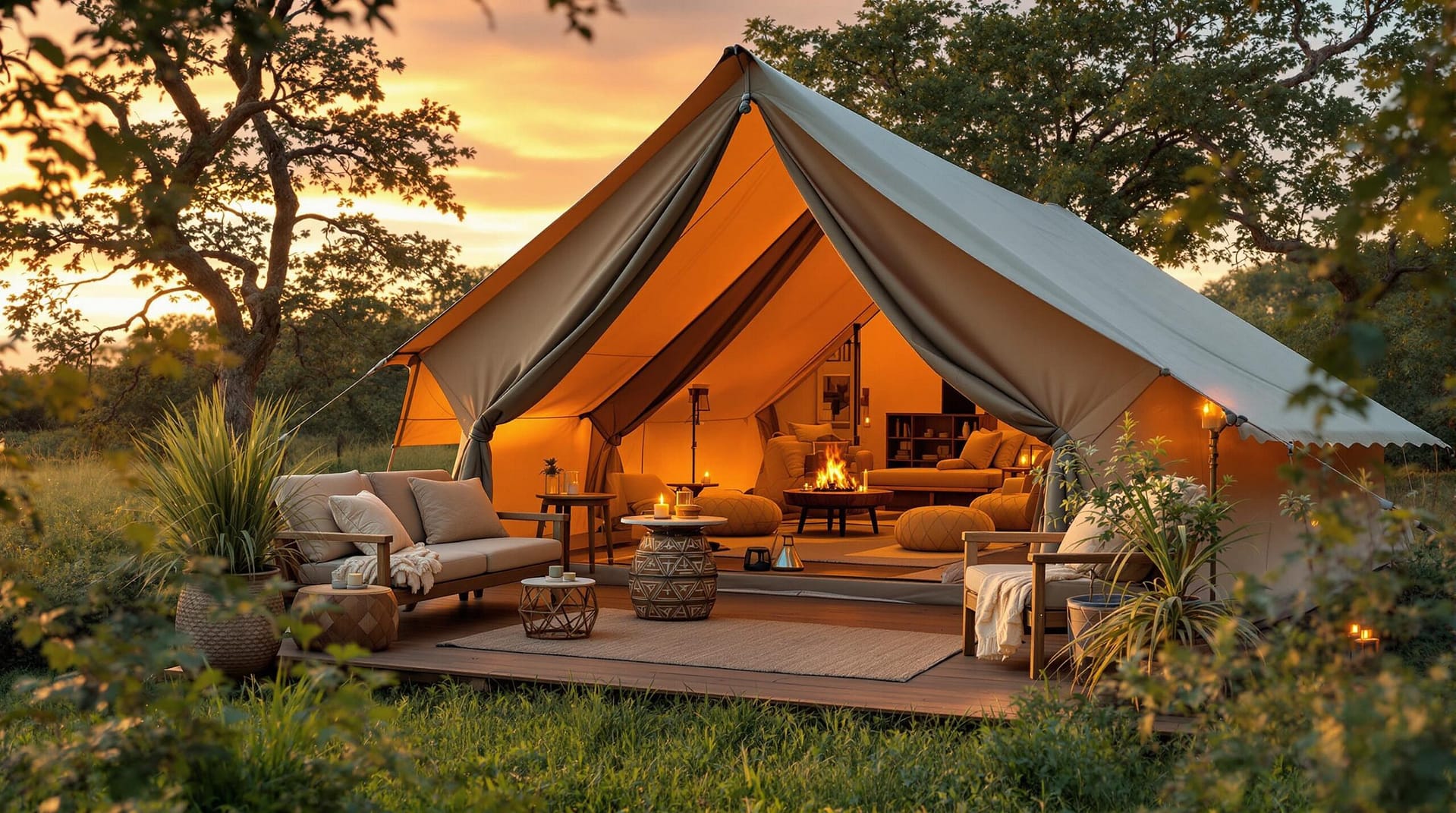
The property features 25 canvas safari-style accommodations positioned throughout temperate rainforest and along the shoreline overlooking Clayoquot Sound, according to Men’s Journal.
Each unit includes modern amenities such as ensuite bathrooms, heated floors, wood-burning stoves, and outdoor cedar showers. Furnishings incorporate wood sourced from naturally fallen trees on the property, while artwork and textiles created by First Nations artists reflect the region’s cultural heritage.
Dining is centered at the Cookhouse, where seasonal menus emphasize locally sourced and sustainably harvested ingredients from British Columbia’s coastal region. Guests also have opportunities to incorporate foraged ingredients into their meals through guided excursions, creating an additional connection between outdoor activities and the culinary experience.
Outdoor recreation remains the primary focus of the guest experience. Visitors can participate in guided hiking through old-growth forests, kayaking, horseback riding, wildlife viewing, fishing, canyoneering, and wellness activities such as cold plunge sessions and spa treatments.
Wildlife excursions in Clayoquot Sound provide opportunities to observe black bears, gray whales, humpback whales, orcas, sea otters, and other marine wildlife depending on seasonal conditions.
The resort also offers helicopter-based excursions, including scenic flights and remote mountaintop picnics, alongside guided exploration of nearby glaciers, alpine lakes, and river valleys. Activity schedules remain subject to changing coastal weather conditions, with staff adjusting itineraries when necessary to maintain guest safety.
Beyond recreation, Clayoquot Wilderness Lodge has incorporated environmental restoration into its operations. The property has partnered with the Canadian Department of Fisheries and Oceans and the Ahousaht First Nations on projects intended to restore ecosystems affected by historical mining and logging activities. Guests have the option to participate in select rehabilitation efforts during their stay, allowing visitors to contribute directly to ongoing conservation work.
For owners and operators in the outdoor hospitality industry, the lodge illustrates several business strategies that continue to gain traction within the premium glamping and experiential lodging market. These include offering all-inclusive pricing, limiting guest capacity to create an exclusive experience, integrating local culture into accommodations and programming, emphasizing guided activities over passive stays, and incorporating environmental stewardship into the guest experience.
As travelers increasingly seek nature-based vacations that combine comfort with authentic outdoor experiences, these operational elements may offer insights for businesses evaluating future investments in luxury camping, eco-tourism, or wilderness hospitality.
The property’s seasonal operating model also demonstrates how remote destinations can concentrate demand into shorter operating windows while maintaining a premium pricing structure through curated programming, personalized service, and access to unique natural environments.
For operators considering expansion into experiential accommodations, Clayoquot Wilderness Lodge provides an example of how location, conservation initiatives, and activity-based tourism can be combined into a comprehensive hospitality offering.