Outdoor Hospitality News
For owners, operators, team members, and anyone else interested in camping, glamping, or the RV industry.
News for September 9, 2026
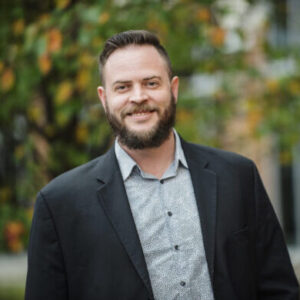
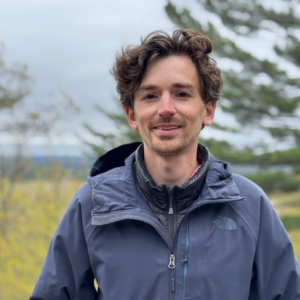

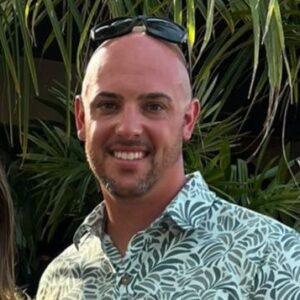
[00:00:00] Brian Searl: With MC Fireside Chats. My name is Brian Searl with Insider Perks and Modern Campground. Welcome to our first episode of the, is it our first episode of the month? Or our second episode because we had April 1st?
But that didn’t really count, right? Everything could have been a joke on that show, so maybe this is the first episode of the month.
Welcome to our recurring guest Jeremy Johnson, welcome back sir. Zach Stoltenberg. And we have a couple special guests here from Great Outdoor Cottages and a few other places.
We’re gonna go around the room and have everybody introduce themselves real quick here. But do we wanna start with you, Jeremy?
[00:00:29] Jeremy Johnson: Sure. Hey everybody, I’m Jeremy. Co-owners of Kona Hills Campground up in the UP, where we still have four feet of snow on the ground and I’m waiting for it to break 35 degrees.
[00:00:42] Brian Searl: It’s pretty cold here too, but our snow is kinda melted cause we have a lot of sun, so… we had some snow yesterday. Zach.
We have two Zachs.
Oh boy, okay. How are we going to handle this? That’s weird. All right. Zac Cummings, go ahead.
[00:00:56] Zac Cummings: Okay, I’m Zac Cummings. I’m the Director of Growth and Marketing for Sweet Haus Tiny Cabins. We’re in Chesnee, South Carolina. We’re the manufacturer and we do sales as well.
[00:01:07] Brian Searl: All right. Other Zach.
[00:01:08] Zach Stoltenberg: Zach Stoltenberg. I’m with LJA, lead our architecture team for our outdoor hospitality division. We help people build, design, permit, entitle, glamping, camping, campgrounds, and all things outdoor hospitality.
[00:01:25] Brian Searl: Awesome. Thanks for being here, sir. Who wants to go next?
[00:01:27] Sabine Betschart: We are AL and Sabine from Michigan, Harrison, Michigan. We own Countryside Campground and Cabins. It’s really right center in Michigan. This is our third season that we are going to run this. So we are quite new still. But yeah, thank you for having us.
[00:01:47] Brian Searl: Yeah, thanks for being here. I appreciate it. Excited to learn more about your campground and everything you have going on. And last but not least, Matthew or Matt, whichever you prefer.
[00:01:53] Matt Kraeuter: Either one is fine. My name is Matt Kraeuter. I’m the CEO of Great Outdoor Cottages. We’re based in Southern Delaware. It’s our manufacturing facility. We ship all over the country, Puerto Rico, US Virgin Islands, and a bunch of other exciting places.
So we did have a little bit of a hiccup with you guys up north. The weather in February and March proved a little difficult to make some deliveries up there, but seems like things are starting to thaw out now. So it’s nice, but thanks for having me.
[00:02:18] Brian Searl: Yeah, thanks for being here. As always, so typically how we start this every week, to our recurring guests Zach and Jeremy, is there anything that you guys think that has come across your desk in the last month or so? Jeremy, I think it’s been two months since we last talked. That you think we should be talking about on this show.
[00:02:31] Jeremy Johnson: I think the coolest thing I’ve seen in terms of guest experience is I saw Campspot had a big update with basically like humanless entry for campgrounds. They’ve got a license plate reader now and then a code generator for gates if you have a gate. And I was pretty, you know what, since the topic is guest experience, I was pretty excited to see that and I hope some of the other providers help facilitate that contactless entry as well.
[00:03:02] Brian Searl: I actually didn’t read that. It’s news to me.
[00:03:05] Sabine Betschart: Do you have a gate or not?
[00:03:08] Jeremy Johnson: We don’t currently, no. We don’t use Campspot currently either, so I don’t either way I don’t have a use for it at the moment, but as Brian knows our campground is self-serve, so we don’t have a check-in desk, we don’t have anybody…
There’s staff on site but nobody staff 24/7 or anything like that. So it’s nice to have those options to help facilitate that contactless guest experience for our spot.
[00:03:31] Brian Searl: Yeah, I think the idea is, and the…
[00:03:32] Sabine Betschart: Yeah, we went on the Camp Michigan tour in fall that they do and you tour like different kinds of campgrounds in Michigan. We went to see three of those and I believe all of them had a gate.
[00:03:49] AL Betschart: No, two of them did.
[00:03:50] Sabine Betschart: Two of them did. One was a brand new resort and one was a smaller campground, more rustic campground, but it had a gate. Probably has its good sides and has its bad sides as well. It’s probably a little bit tricky too, with a gate, I don’t know.
[00:04:12] Brian Searl: I think that’s what Jeremy’s saying with Campspot, right, is one example is… correct me if I’m putting words into your mouth Jeremy…
[00:04:18] Sabine Betschart: Do we still wait for Brian? I think so, huh?
[00:04:21] Brian Searl: Can you guys not hear me?
[00:04:23] Jeremy Johnson: We can, I can hear you Brian.
[00:04:24] Brian Searl: Oh, okay. All right.
[00:04:25] Jeremy Johnson: Sabine and Al, can you not hear Brian?
[00:04:28] AL Betschart: No.
[00:04:28] Sabine Betschart: Nope.
[00:04:29] Brian Searl: Oh, okay. If everybody else can, I’m gonna go with everybody else.
[00:04:32] Sabine Betschart: We only see the name.
[00:04:35] Jeremy Johnson: Maybe try rejoining ’cause he’s live for the rest of us.
[00:04:39] Sabine Betschart: Really?
[00:04:40] Jeremy Johnson: Yeah.
[00:04:40] Brian Searl: Just yeah, it’s probably better, it’s probably better for you if I’m not live, for most people anyway, but…
But what I was saying with regards to Campspot, they make a good point. Like, there’s a lot of reasons that you would want to have a gate on a property for security or for late night entry or convenience or whatever else.
And if there’s ways that you can use software like Campspot to make the gate there to be more secure but also not be a barrier to entry or a burden on the guests while making them secure, that’s a win-win for both sides, right?
[00:05:11] Jeremy Johnson: 100%. For us it makes it easier on staffing, number one. We’re, this is our second year. We’re actually going to have a dedicated camp host this year, but they’re not, again we don’t have a front desk and they’ll only be dedicated on the weekends. So having that contactless entry and kind of gated entry would be really nice.
And then from the customer experience, I think we’ve actually talked about this before Brian. I think about it like a Airbnb standpoint. You’re not like having somebody let you in your Airbnb, you’re getting a code automatically generated sent to your phone and then that’s your code for the weekend.
Like that’s pretty nice and I think it’s something that consumers have come to expect at this point from their short-term stays.
[00:05:52] Matt Kraeuter: We executed a 52 cottage community for Blue Water and I believe you’ve had Raff on this before.
[00:05:58] Brian Searl: Yep. Raf’s a regular guest.
[00:05:59] Matt Kraeuter: Yep. So I’ve done several properties with them and they did a, it was all, that park is managed all remotely. There’s nobody on, on site 24/7. People are given a gate access code for the front gate.
[00:06:11] Brian Searl: You’re not supposed to tell the public that! Now somebody, now we’re gonna have people try to rob it tonight. Now it’s all our fault, Matt. Go ahead, sorry.
[00:06:18] Matt Kraeuter: No, it’s pretty secure. And we’ve, since then run into the same situation and are starting to incorporate RF iron… where you can use your tap to touch with your phone.
[00:06:28] Brian Searl: Yeah, RFID, yep.
[00:06:29] Matt Kraeuter: Yep, some of those with, with different locking mechanisms on, on cabins. And I think that’s more… somebody said Airbnb, and I think that cabins and the kind of shift has been that a cabin doesn’t really compete with a pad site.
A cabin competes with hotels and Airbnbs, and I think that you need to recreate that experience in your campground with the cabins because that’s what people are used to. And so we’re trying to incorporate that same technology into our cabins as well.
[00:06:56] Brian Searl: Let’s talk briefly about how convenience leads to guest experience. Like Zach, I’m curious to hear from your thoughts cause you’re building these parks and not you’re not building them yourself, but you’re consulting, designing, developing, really have your hands in quite a different number of things. How do you think about this from a… I build it first or I bolt it on later perspective. Not just gates, but everything we’re talking about.
[00:07:18] Zach Stoltenberg: Right. The first thing I thought of was, this is indicative of something we’ve seen industry-wide, which Jeremy hit on. It’s minimizing staffing overhead, making things passive. I’m sure if you talk to any campground owner, how much, how many hours a week do they spend dealing with a finicky system that doesn’t work.
I had this experience recently where I checked into a hotel, they gave me my key card. I rode the elevator all the way to the fourth floor, walked all the way to the end of the hall, got to my door, and it wouldn’t open. And that’s like the worst start to a guest experience. Now I…
[00:07:54] Brian Searl: Twice a year, at least.
[00:07:55] Zach Stoltenberg: Yeah, and so now I’ve got to go all the way back down. And of course there’s other people checking in. So I have to wait for them to get checked in and get their room. And it literally took me 45 minutes to get into a hotel room. And it was an awful start to a stay.
So I think any sort of system that takes a human element out of it, as long as it’s reliable, workable, it’s passive, I think it’s a great thing for guest experience.
And I think there was a push a few years back where a lot of folks said, “I don’t want to lose the human element. I still want, I want a hosted experience. We have staff. We want people to come into the office and check in because that’s our first point of contact and we don’t want it to be as sanitized as the hotel experience.”
And I still think there’s a place for that. But I think public perception of that has changed a little bit. And the way I prefer to think about it is automating all these systems, that frees up those staff to do just that, to take care of your guests, to talk to your people, to not get bogged down in the busy work of check-ins and key generation and all this stuff.
The other thing that we’re starting to see, to your question of do we do it upfront or is it a bolt-on? A lot of these systems are made to integrate. And so a bolt-on might work, but you’re probably losing some of the usability that it could generate.
As an example, in the hotel industry has been doing this for decades by the way, when you check in and you come into your room and your name is on the television screen. That check-in triggers a series of other things that happen.
And so I could see some of these systems, when they come in the gate, it scans, it knows their name, it generates that code for them, but then it also sends a signal to the PMS system that says, this guest has arrived. Your site manager can get a text message to their phone that says, hey, Dick and Jane just pulled in. And when they walk in the door, he looks at him and greets him by name and they’re like, how the heck did he know it’s us?
The PMS system could then also send a command to a base unit in their cabin that turns on the welcome light setting, that sets the thermostat to a certain setting, that same key generation for the gate can work on their unit, and it’s unique and it’s just for them. So now they’ve only got one thing to remember.
So, I think, you know, the integration across all those platforms and all the other things that can happen is probably easier to do if you’re planning it and doing it upfront. You’re going to lose some of that doing it as a retrofit.
[00:10:38] Brian Searl: Here’s an interesting question, and whoever wants to weigh in on this can. Maybe Al and Sabine, or you Zach, or Jeremy, especially owning a property. I’m curious, like, we talk a lot about guest experience and adding these things that make it more convenient for the guests. But we very off, we very almost never flip it and ask, how do we make it easier on the owner to implement all this stuff? Right? Because Campspot’s adding this and the gate features adding this and that there’s APIs for this and APIs for that and half the people don’t even know what an API is. So how do we, is there a, how do we make it easier for the operator to actually look at this and not be just jaw-droppingly overwhelmed and retreat from automation?
[00:11:16] AL Betschart: Oh wow. That’s a tough one because me coming from the industry of software development for the last 25 plus years, being an electronics engineer by trade. You have to really develop your applications, your products to be like as simple as possible. Think of like the iPhone. It’s so simple and intuitive for most people whereas like the Android is a little more complicated and lets you do more tweaks.
So, being an owner, having software that’s super simple to use is much better and super easy to integrate with other things is much better than having to do a lot of customizations. You can have every little customization you could think of, but is it really necessary? It has to be stupid simple.
Just going back to the cabins that we were just talking about, you know, what guest experience. We just recently got these guys, these are Schlage Encode locks.
[00:12:10] Zach Stoltenberg: Yeah.
[00:12:11] AL Betschart: And they allow us to… via our cell phones to add a code, a pin code for the customer. So we can put whatever pin code the customer wants when they come and check in and then they have that. And if they forget the pin code, they can still use a key if necessary.
They can come back to and say, “Hey, you know what, I’m old school. I can’t remember a four digit code for the life of me even if you sent it to me for a text message on my phone. Can I have a key?” And then we’ll give them a physical key instead.
So that’s one of the things that makes it easier for the customers per se and for us, that’s, that’s a stupid simple app that Schlage provides that we can just go right on our phone and just tap in the PIN code that whatever the customer wants and it’s set up and it’s done. And we put an expiration date on it and stuff like that. It just has to be simple.
[00:12:59] Brian Searl: Well, so you’re making a good point, but then that leads to my next question, which is which is I have an app for the door locks, and I have an app for the lights, and I have an app for the PMS, and I have an app for the gate, and I have an app for the, right? That’s what I mean, is there, because you’re right. It either is you have every single little granular control, like a person who’s a diehard crazy Android person, right?
[00:13:20] AL Betschart: Yeah.
[00:13:20] Brian Searl: Or you go with the out-of-the-box thing like the iPhone, there’s almost no middle ground right now that gets you everything you need because you’re almost beholden to whatever software vendor you pick and whatever their timetable of development is right now, right?
[00:13:35] AL Betschart: Correct. Correct. We have Campspot. They offer API, but at the moment the fee for API, where we could start doing integrations and linking things together, it’s just out of, on the podium for us. It would cut into too much revenue for the year and it’s not worth it for us.
So just to use one app for this, one app for that. We’re not a huge campground, so it’s not a big deal. But if we were like 300 spots or 400 spots or something like that, where we could say, yeah, we can pay for the API and start getting integrations done and linking things together, like this Schlage lock system does have its own API as well, you could register for it.
And then theoretically, if you have the API to Campspot, you could make a centralized application to link the two together. Now, as a campground owner, that’s not going to be doable. Even with the AI tech today.
[00:14:25] Brian Searl: It’s getting closer though. They are linking all that together.
[00:14:28] AL Betschart: Yeah, it’s just not dual flow without a lot of AI. I’ve already done some automations to be able to send notifications to our customers and stuff like that, where they could register for push notifications with our, at our campground.
But, you know, the regular campground owner that doesn’t have that tech savvy background, forget it. You need to hire a company that can link everything together.
[00:14:48] Brian Searl: But does one of those exist outside of like, you’re really, your PMS dips in and dips out of the water, and does good things.
[00:14:55] AL Betschart: I would say the closest one that might do it is that App My Community. That one might be the closest one that would be able to link it all together.
[00:15:05] Brian Searl: What do you think from an operator standpoint, Jeremy?
[00:15:07] Jeremy Johnson: I think that, I should have, I should go get my wife, because this is what she does for our campground and she’d have a perfect answer for you, but I would say for us, we try to centralize everything as much as possible, and a lot of our automations run through our Google Suite.
So whether it’s automated emails on check-in… we use Park for our PMS, and Park has a pretty easy system that allows booking emails, check-in emails, all this kind of stuff.
And so a lot of our, we, back to your original question, Brian, like a lot of our work on making it easier on us is communicating with automated, automated flows that set expectations up front. By the time somebody gets to our campground, unless they completely ignored every email and every, every blurb on our website, they already have a really good idea of what to expect in terms of the setting and the checking process and the rest of their experience.
You know, we have, I’ve mentioned this before, but if you go look at our Google reviews, you’ll see time after time, people being like, they set our expectations, everything was as described. And I think that for making things easier on on the operator, that’s the biggest thing in my opinion is setting expectations.
And while I love the idea of having automated locks, we don’t have that issue because we don’t really deal with that at our rustic campground at the moment. Like, I think if we just dial it back to setting expectations and doing it in a way that’s like easy for us, that’s the biggest thing.
Another one that we did was our first three months of opening, we answered every single phone call just to hear what customers were asking, hear what they were saying. But after three months of hearing the same question over and over again, we used Google, again Google Suite, to do a automated like a call screen almost, where it says like, hey, if you’re wondering about these three things, here’s your answer.
If we still haven’t answered your question, press two to connect to a person. And that, that eliminated 90 plus percent of the phone calls we get. So no longer instead of being in the middle of making dinner and having to answer a phone call, I can see how many phone calls our Google Call Assistant answered. And that’s pretty cool.
[00:17:26] Brian Searl: Anybody else have any thoughts on that? Guest experience, automated flows, things like that?
[00:17:30] Zach Stoltenberg: What the only thing I would say is as far as integration cross platform compatibility, I think we’ve seen a lot of advancements from some of those big companies, Campspot, ResNexus, they’re working. They’re listening to their users and they’re working to integrate things that make it easier for their operators.
But I think it’s also a reason that a lot of operators, and some of the clients that we worked with, specifically chose a system outside of the campground industry. They’ve gone to something that is more traditional hotel hospitality because all those integrations are already there. And it’s by default. They’re not charging extra for it.
As you grow, and again every site’s different. So the ones that I’ve heard, number one is the ability to charge F&B. If somebody comes into your store and they want to grab a bottle of water and a candy bar, you can just add it to their bill. You don’t have to ring them up separate, or if they come down and they eat at a restaurant on site that you can just bill them that as part of their stay. None of the campground softwares are incorporating F&B.
[00:18:36] Brian Searl: Really? I didn’t know that.
[00:18:36] AL Betschart: Campspot has it.
They can charge… when they come into our store, they can charge it to site.
[00:18:46] Zach Stoltenberg: Okay. To be, yeah.
[00:18:48] AL Betschart: But I, I run into it where we charge the site many times when they didn’t have a credit card on them or they didn’t have enough cash on them. We’re like, “What site are you on?” And they’ll give us a site number. “What’s your last name? Just to confirm to make sure.” Yeah. And then I just charge it to sight. Done.
[00:19:02] Zach Stoltenberg: Yeah, and I know store stuff is different than I think the big thing with F&B is the alcohol. You’re doing alcohol sales on site. But I know that integrating the lighting controls, the access controls, HVAC, like all that stuff already exists on the hotel side. And so I’ve seen a lot of operators choose those more traditional hotel softwares because it already integrates with everything.
We’ve seen a huge advancement in how these all integrate with the OTAs. And I remember it hadn’t been that long ago, even just two, three years ago, like when that was a big announcement. “Hey, we integrate with Travelocity, we integrate with Priceline.” Like, some of this stuff.
And now I think it’s almost a, by default thing. Like you couldn’t sell campground software if it didn’t integrate with OTAs. But again in the early days, that was an add-on, that was an extra, that was a feature that you paid, paid for. So I think we’re on the cutting edge of some of these integrations. I think we’re gonna continue to see more and five to ten years from now we’ll look back and we’ll say, well yeah, everybody does that. Who doesn’t?
[00:20:15] Matt Kraeuter: There was one feature I just ran into that, that hasn’t been mentioned, but I thought was really cool when you, I checked into a cottage and when you turn on the TV, it asked you when you wanted to reset all the Netflix and Prime and stuff. It sounded like small and little, but my anxiety made me feel better.
[00:20:32] AL Betschart: Yeah.
[00:20:32] Matt Kraeuter: We know. Knowing that it was gonna reset all that thing because I just have this weird, probably unreasonable paranoia about somebody hacking my net…
[00:20:40] AL Betschart: Chances are that was a Roku TV, because we have those in our cabins now, and they have that ability to put in, set it into guest mode. So when the customer first turns on the TV, it says, welcome to countryside, yada yada. And then please enter your check out date. And then they can then install all the apps that they want, they can log into their Netflix, their Amazon Prime, their Hulu, their Disney Plus, and then as soon as they, their checkout date comes at 11 a.m. sharp, it logs them out completely and deletes everything and starts it from scratch.
[00:21:14] Brian Searl: What’s on your watch history Matt that you’re so careful about? We’re just curious.
[00:21:21] Matt Kraeuter: I just said it’s an unreasonable paranoia.
[00:21:23] Zach Stoltenberg: No, it’s not unreasonable.
[00:21:24] Brian Searl: No, it’s not unreasonable. And I will tell you, like I’ve gone to hotels and seen that too. I think one of the other barriers that somebody needs to solve is, and I don’t know if it can be solved, is I want my personalization from Netflix, but also I don’t want to sit there and use that hotel remote to type in all my passwords on all the apps for 45 minutes or whatever it is.
So I don’t know if there’s a balance between, I’m sure there’s rules against Netflix having shared accounts, but even with a hotel license or something, but that’s, yeah.
[00:21:52] AL Betschart: I think the best bet for a client like, in our case with the Roku TVs, they just use their like their iPhone or their Android and cast it to the TV. Then they’ll have to punch in anything.
[00:22:06] Matt Kraeuter: That’s right.
[00:22:06] Zach Stoltenberg: Yeah. Another cool thing that I saw just like back in December at one of the trade shows I went to, it’s a little device, it’s about this big, and it’s a, it’s really pretty. It’s a wooden block and it has a, the Wi-Fi like logo embossed in it in metal.
And all you do is hold your phone or your iPad or whatever up to it and it instantly links your phone to the Wi-Fi. So there’s no password, there’s no ugly sign that somebody has to tape up, here’s the network, here’s the password, here’s all it, it’s just tap and go.
So I thought that was really cool. Like you could put it on the wall, you could put it on a desk, but again for that guest experience perspective, it just makes it seamless, right? I don’t even have to worry about it.
And you’re not getting to call, what’s the Wi-Fi, what’s the login? I think it just got you connect, it just get it connected. It’s just right there.
[00:23:03] Brian Searl: Yeah, those little things I think if you can just put yourself into the shoes of the guest, stay a night in your room, think about the things that you would want, log yourself out of the TV, log yourself back in, right? Whatever it is. I think you, those little touches go make all the difference.
I still remember like Traverse City KOA when I stayed there in like 2010, 11, and we were just starting to do our whole organic thing where we ate organic food and didn’t want to do chemicals in the stuff, and they had little like local organic shower bottles or whatever, like little tiny reusable ones that came from a local vendor near Traverse City.
And I still remember that to this day. Like I don’t even remember if I took a shower there, but I just remember them being there, right, in the cabins. And so it’s just those little touches, if you can put yourself, and obviously not everybody’s looking for organic soap, my point is whatever that is, right?
[00:23:50] Matt Kraeuter: Zac, I’d be interested. Zac Cummings, your thoughts on, I’ve learned more about our cabin design staying in our cabins than anything else. You, you think that it looks great, and then you’re laying in your bed going, this doesn’t work at all. And I don’t know about you, but I think I’ve won 100%.
[00:24:04] Zac Cummings: It serendipity that we’re meeting here today. I just this morning left one of our cabins that we placed in a brand new development that is either going to be short term rental or its own campground. And same idea, there were some things that I realized needed to be fixed, some things that needed to be changed, and along the same lines of that with the last question, I’m wondering, you guys as campground owners, what balance between the guest experience being great, but what balance you look for between that and them still camping?
I don’t know if I’m explaining that right, but I think folks are going to your locations to to get away, sometimes to get away from technology. So we’re thinking about what we’re putting in our cabins and are we doing too much to take that
[00:24:57] Brian Searl: keep people inside?
[00:24:58] Zac Cummings: Yeah, exactly. Exactly.
[00:25:00] Brian Searl: Yeah, I think it, you have to build like a wall that falls down on your cabin that says, if you haven’t been outside for a while, the wall just falls down, says go outside. Like a fire alarm. But it’s a good question. Who wants to take that?
[00:25:12] Sabine Betschart: Yeah, I would like to take that one. Our campground is in town. We have travel-through campers. We have people that stay multiple nights. And when we took it over, I saw people just staying at the campground, like at their campsite, not really going anywhere. We have a pool, that might be the furthest that they went to, or in town to eat out.
And we have this beautiful nature trail in the back. And people with dogs would go there and so I’m really naturey, so I just want to implement things back there that people then go for a walk. Just for a walk.
Before this, I was 10 years a photographer, had a photography business, and one thing that I took away from it when I took pictures of families and kids is how disconnected people are when I went with them in, in, in a nature preserve or something to take their family pictures. That’s the only time they went actually into the woods just to take their family pictures.
And so with that in mind, I really want to establish things that, that, it makes them want to go out there for a walk. And then they come across a swing at the tree. They come across this forest bathing spot where they can just sit and quiet.
And then this year I want to do a barefoot pass where they can actually safely take off their shoes. It’s not a long pass, but they take it off and then they can go for a walk barefoot. So I think we do have to establish a certain technology where they are on their site. There we have beautiful grass, like cut grass, everything is clean.
Well we took it over the, we are actually the fifth owner of this campground. It was 1970 that this place came about. So we are fixing a lot of things that are here. We want to establish a certain style inside the campground for the ones that don’t want to go in the woods and they want to be by the pool and they want to be by the playground or whatever.
But I want to also establish the nature part, like the discovery thing, the wild side. The wild side. And there you have the wildflowers and all the native plants that grow here, it’s really pretty. And so I guess, yeah, it’s a balance. It’s a balance, right? That you set…
[00:28:00] Brian Searl: But how do, how do we get that, how do we get that family that comes to you, that like the one you’re exact, your example when you were a photographer, when you took them out and that was the first time they’d been in the forest to experience it, but they sl- like enjoyed themselves, I’m assuming.
How do we get that family that comes to us as a hotel guest in a cottage, like Zac is saying, Zac or Matt both have right? And get them to either use technology to enhance their natural stay or to get them outside more because they have less logging in or whatever it is right?
Like how do we do that and encourage them to, because theres so many people like, we’ve done studies on Gen Z and the younger generations who just did not grow up outside, did not climb trees, did not fall out of them and break arms like I did, right? And so they just, they’re nervous around this stuff. They don’t, they want to do it, but they’re not sure how to start.
[00:28:47] Sabine Betschart: Well it’s interesting, when you come in and check in. We have a wishing tree that’s really close to the, to our store. And right when they check in, right there is a free activity. Like they’re wooden tags and they can have one tag and they can write their wish and they paint and then they go to the wishing tree to drop it in the box, I seal the wood and then hang it up.
That gets them to a tree, but we have two other special trees that they can go and see. So it’s like a start, you have to start somewhere with an activity…
[00:29:28] AL Betschart: Have an activity, have a hook.
[00:29:29] Sabine Betschart: Have a hook, and then also I have this sheet, a booklet, a free activity booklet. And our nature trail has ten little, like fairies and gnomes, like ten different things that are hidden, and so do you go on a walk and you can look for them, and that’s right by the front desk is that activity sheet.
And so they can go on a walk, and so they don’t go on a walk and just look at their feet and don’t look around. It makes them look around, see the birds, see the squirrel. We have like black squirrels here, that’s pretty special.
People see things that they haven’t seen. And then they see a fairy eye hidden the woods or the gnome that’s looking out of somewhere. So it makes them go. It has to be combined with activities for sure. Yeah.
[00:30:25] Brian Searl: So take the key card that doesn’t work for Zach and just put it in a box on a tree and make them go find it. And it probably still be less than 45 minutes but it’ll still be a win for the guest.
[00:30:35] AL Betschart: I think somebody… if you have more cottages or cabins for rent and you want to get the people out, I think you could probably take advantage of using an IPTV channel for your, like your own private channel and showcase different sections of your property. Just like the hotels do. When you go down to like Mexico, they have a one channel that’s just their channel and it shows them like their spa, or you can go to the sauna or get a massage and stuff like that.
[00:31:02] Brian Searl: But nobody watches that. You have to mislabel it ESPN in the guide, right? So when they turn to… you’re not wrong, that’s a great idea to showcase your property, but yeah, there’s got to be, it’s got to be that plus, right, I think. Depending on the situation and what your property is and what you offer and where you’re located and who your clientele are, it’s not a one-size-fits-all for everyone.
Because Jeremy, I would imagine the people that come to your property are much more amicable or amenable to being outdoors and being in nature than somebody at a perhaps a different property with RVs.
[00:31:33] Jeremy Johnson: We, we have a unique situation because we’re a new from scratch park, and for me, I would say it’s all about design. And like we, we right now we only have rustic camping sites, so you’re in nature no matter what. Like, you’re there. I can’t avoid it. You see the birds, you see the… we have people that see bears and all sorts of things up there.
So that’s like in your face, but like right now we’re designing our first couple cabin units. And when we do it, we talk about designing into the landscape. Like you’re not, you’re not designing on top of a landscape. We’re not putting a foundation on top of nature. We’re designing into nature.
And like even in a cabin unit, you’re in it. You’re experiencing it. And you know, that might mean something tangible, even though it’s a 300 square foot unit, we have a 200 square foot deck and you’re designing space outside to be immersed in the nature that’s around you.
and on top of that, I’ll bring up another piece of news that came out I think last week. Airbnb put out their first report on rural destina-. I think they called it their off the map report, and they listed 20 destinations across the United States that were rural in nature and people were traveling to, like the hottest 20 markets on Airbnb. I’ll brag a little bit and say the upper peninsula was on there. So I’m excited for that.
But in in that report they also surveyed their customers. And if I recall correctly it was like 84% of customers were looking for rural destinations in 2026 because they wanted to get away from these more more urban destinations if you will, and then that number for Gen Z specifically jumped to 94%.
I think we might be getting to a point where like we we might think traditionally Gen Z has been a little adverse to these experiences. I think the pendulum is finally swinging for that younger generation and they’re like, “Get me out of here. Get me into the woods. Get me into the country.”
So for me it’s I think that it’s just that pendulum swinging back and forth all the time. And then two, it’s about designing with purpose. We talk about, again, we talk about purpose built designs all the time, it’s like this cabin unit is designed to immerse you in what’s around you, what’s around you nature wise.
[00:33:59] Zach Stoltenberg: I think that it’s not only the unit design, but you brought up something really important that, it’s part of your site design. A lot of what we go through because every project’s different, every site’s unique, sometimes it is situating that unit to where you you’re creating privacy and having that, that big operable door that goes out to a nice big deck, having comfortable lounge chair seating.
From a guest experience perspective, we don’t want it to lose that camping feel. We just want to change all the parts that suck about camping. You know, number one thing that everybody wants to do is they want to sit around a campfire. Yeah. That’s a a wonderful experience. Everybody likes that. You don’t feel like you’re camping until you’re sitting on a campfire.
Campfires are dirty, they’re messy, you come inside, you smell like smoke, you gotta start it, you’ve got to facilitate it, when you turn that unit, you’ve got to clean it.
The glamping, the guest experience focused maybe says, instead of a wood burning fire pit, we’re gonna put in a propane table that the guest walks over and flips a switch, and the flame comes on. We want them to sit, still have the experience, but do it in a a more positive guest experience.
When they’re ready to come in for the night, they flip that switch off, it’s done, it’s out, they’re not worried about it, there’s not embers flying, and they don’t have to go take a shower before they crawl into bed.
[00:35:26] Zac Cummings: Yeah, Zach, I along the same lines, that’s what we’ve been talking about the the past few minutes is Jeremy mentioned the generational thing. My as a kid, I did the rustic camping thing, but now with a family with young kids, my kids don’t want to be rustic camping.
But they if we’re able to be out like Sabine and AL talked about, if we’re able to be out in those locations experiencing ourselves outdoors, yet still have the comfort of our own toilet and not a bath house and a nice shower and a deck to look out over things, and a kitchen to cook in, I think that’s the best of both worlds, and especially with the newer generations. So as builders, we’re thinking about that.
From a manufacturing standpoint, an independent design standpoint, because we don’t want neighborhoods of tiny houses in this field, we want our tiny houses to fit what the campground stands for. So we’re trying to understand that, and I’m learning a lot from you guys right now too.
[00:36:23] Jeremy Johnson: I saw a really cool example on Instagram. I wish I could remember the the campground, I think it was in North Carolina, but they had this beautiful creek that ran through their property and maybe like a 10 or 20 foot waterfall. But it was really difficult to get to.
But you could tell that it was like a the path was pretty wet and even right next to the waterfall, it was very rocky, not the most, you know, you wanted to sit next to it, but like you’re getting wet, you’re getting muddy, and so they actually built like a little viewing platform next to the waterfall where they could sit down and there was a bench. And I was like, oh, that’s really nice. Like, making nature accessible at that point for people.
[00:37:02] Brian Searl: And then I would still hike to the bottom and try to get under the water cause that’s what I want to do and wade in the river and wherever else. But to to that point though, there’s different people for different types of things.
And so if we look at Matt and Zach and the cabins that theyre designing, there’s a huge amount of audience and people who are will- who want to stay in the types of cabins they’re designing.
Matt and Zac, is there ever a situation in the future you could imagine yourself doing some kind of custom work with an owner to blend things with different nature surroundings, or is that not a viable thing for a large cabin manufacturer?
[00:37:32] Matt Kraeuter: I think it we do it every day, and that’s how we run our business. We’re our company is a little bit uniquely positioned in that we build 400 cabins a year, but we’re still small enough where when we want to do something, and do something special, I go to my engineers and tell them this is what we want to do, and I don’t know if you guys are at the Ohai show, we brought that golf simulator, and that was just we were sitting around saying what can we do that’s fun and so we built the golf simulator so I had the engineers draw it up and it was on the production line a few weeks later.
And I think you have to, and Zac can probably speak to this as well, but it’s a hyper competitive environment right now, and the bigger players build what they build and sell what they sell. And I think the smaller builders have the ability to say look we can modify. We’re not custom home builders, right, there’s still a manufacturability to everything that we do. Right, there’s gotta be speed and there’s gotta be scale. It’s not a custom home.
Right, there is custom cabin builders out there, we’re not one of them, that can do one-offs, but I think it’s really important to everybody’s point here to listen to what the campground is looking for, and more importantly what the visitors are looking for in that experience, and to answer that mail.
We build cabins up in the northeast that look dramatically different than what we send to Ocean City, Maryland and Emerald Isle, North Carolina. You have to kinda do that. And like I said, we’re a little unique in that we’re big enough to build that scale, but small enough where when there is a unique project we can act quickly and get it on the line quickly as well.
[00:39:06] Brian Searl: So you’re not, you are on the opposite side of this then. You’re like it’s not good enough to just keep people inside. We want them to golf inside too.
[00:39:13] Matt Kraeuter: It was just something to do something a little bit different.
[00:39:16] Zac Cummings: No, you’re absolutely right though, Matt. It’s competitive. And also, we understand that we don’t expect campground owners to fill every side on their campground with a cabin. We understand we are a part of that.
But being small, like you guys, we’re even smaller. But to be competitive and to be helpful, we’ve started things where we’re not just selling the cabin. We’re trying to build a relationship and help someone start to implement cabins in their campground if they have none.
Whether that be marketing, integration, development. We can do a little bit of everything with each customer to try to fit their needs. And we’re in the beginning stages of learning about that. We’ve sold the campgrounds for a few years, but we’re really now diving into what campgrounds want and need and how our product fits that.
[00:40:05] Matt Kraeuter: Yeah. And I think that the important learning there and we work really closely with Blue Water and I think they manage 80 campgrounds now and we talk to their guest services people and their maintenance people and a lot of feedback there. But importantly the campground owners are learning, I think I mentioned this earlier, that a cabin doesn’t necessarily compete with a rustic camping site. That’s a different audience.
Frankly, and I think he pointed out earlier, my wife and kids aren’t terribly interested in sleeping on the ground. It’s just not, their style, but we stay in cabins.
Right, that’s how we camp, and so it’s a different demographic, it’s a different audience, and the people getting into it in campgrounds, incorporating that, and I think it’d be interesting to hear your thoughts on it, but I really, I think there’s a hole in the market right now where there’s actually a lot of demand for premium accommodations and there was a lot of campgrounds that built up post-COVID because they were getting $100 a night for a pad site.
And that was there, but that day is gone, right? Now there’s these great campgrounds that have these really great amenities and they need to drive that revenue and cabins aren’t the only answer, but they’re one of the answers to say let’s turn that piece of dirt into a $40,000 a year revenue stream instead of a $4,000 a year revenue stream. And helping them…
[00:41:17] Zac Cummings: We’re thinking the exact same thing. Yep. Yep. And it’s, of course we want sales, but if we can make those sales in a way that we’re helping someone grow their business, it’s even more fulfilling.
[00:41:27] Matt Kraeuter: And that’s a… not to sound selfish but that’s important too personally because you’re not going to get rich off one, right, you’re trying to push 15 cabins to somebody right? You want to, if they want five, then you’re going to do right by them and listen to them.
[00:41:40] Brian Searl: Yeah. It’s interesting, I think there’s almost a missing middle ground though too because I’m hearing like Zac and Matt say we want to go to the campgrounds and see what the campgrounds want. And then the campgrounds are going to the trade shows and looking to the manufacturers and saying, “Tell me what I should put at my campground.” And there’s nothing really in the middle because I think a lot of people are missing the who is my guest first?
[00:42:00] Zac Cummings: That’s true.
[00:42:01] Zach Stoltenberg: And then you’d have the answer to that, which would help… maybe, go ahead, yeah.
That’s where I live.
[00:42:06] Brian Searl: All right, so call Zach.
[00:42:08] Zach Stoltenberg: No, that’s, we are in the middle. A lot of the folks we work with, that’s exactly where we start is what, who is the guest we’re trying to attract? What is the brand that you’re trying to build? What is the space we’re trying to create?
And we’re drawing things, designing things that are new, that are unique, that are different, finding that perfect spot that has that little outcropping of trees that we want to create an outdoor space, but it necessitates that the unit be situated a certain way.
And I tell a lot of folks we work with, don’t feel like you’ve got to pick something out of a catalog, or you’ve got to find a manufacturer and then pick, we want two of these and one of these and three of these. A lot of what we do is custom, it is drawing and designing it. And then sending that to a manufacturer and saying, hey, can you guys build something like this? And working with their engineers to say, this is how we would do it. Great, that still works for us.
[00:43:03] Matt Kraeuter: I think there’s a really important finance piece to it as well, and educating, and I wrote an article about it. I was a lawyer for many years before I I did this, and I was a partner in a tax law firm. And understanding the the tax implications and everything associated with adding a cabin to your park I think is really important because those are real dollars. That makes a huge difference.
And helping educate campground owners about, yes, it’s a $100,000 investment, but you’re gonna be able to take a $100,000 expense this year, and then you have to kind of look at that rate of return including those tax incentives and the other kind of benefits of adding a cabin to your park. And it kind of adds on to the the education piece that Zack was talking about.
[00:43:54] Zach Stoltenberg: We’re also seeing the opposite true in some jurisdictions. I chatted with a gal just this last week that she’s got a site in California, and they specifically did not want any permanent stick-built structures because of the tax situation there. She said, we already pay too much just for empty raw land. And if we’re going to do this improvement, we know our taxes are going to go up. But they were pretty much solely focused on park models.
[00:44:26] Matt Kraeuter: Yeah, and you have the same issue in Virginia with a park model because you have personal property tax. That’s why park models aren’t that attractive in the state of Virginia. All of those things go into that math that you need to do to say, all right, is it worth this $500,000 investment, $1 million investment to add five or ten cabins to your partner?
[00:44:45] Zac Cummings: And Brian, to your question, I think that you’re right, the customer is in the middle and outside of the sales and the manufacturing thing, that’s my job at Sweet Haus is to try to understand how we can bridge that gap and help the, I can guide the campground owner to the our engineer and make that. That’s the same thing Zach’s doing. The Zachs are doing the same thing.
[00:45:09] Brian Searl: Yeah, you just need to call Zach Stoltenberg, that’s the answer. Cause the customer doesn’t know what they want either. Ala the iPhone that Sabine was talking about and Al we’re talking about.
[00:45:18] Matt Kraeuter: Nevermind, let me up the office space thing where it’s I talk to the customer, so the engineer doesn’t have to. Yeah. I’m a people person. Sorry. Off topic.
[00:45:28] Brian Searl: All right. Let’s, let’s ask everybody some questions here. So we can wrap up the show here in the last ten minutes or so.
If for those of you haven’t been on here for a special guess, we’re just going around. We’ll start with you, Jeremy, if you want. And Jeremy can ask anybody a question that they want except me, because nobody wants to talk to me. And then they’ll answer. And then that person can ask somebody else a question.
Process of elimination so everybody gets a question, and then we’ll see what we can do for the last ten minutes here. So Jeremy, who would you like to ask a question to?
[00:45:51] Jeremy Johnson: Cool. I’ll kick it to Zach Stoltenberg. I’m curious. We’re going through this right now, where we’re literally going back to what I said earlier, where everything we design is what we call purpose built. So we’re considering our customer, who they are, why they’re coming to Marquette, and what they might want when they stay.
I’m curious on your guys at the firm at LGA, like how do you start that process? Do you have a questionnaire for your client? Are you doing market research for them as well? Like how do you start to narrow in what types of accommodations you guys are gonna design?
[00:46:25] Zach Stoltenberg: So typically we do start with some type of a market analysis. If it’s a brand new ground up, we definitely want that. We don’t do those. We work with consultants that specialize in that and that’s what they do, some great people in the space. But getting an idea of the market for a new ground up is really important.
For existing operators, a lot of folks, they’ve got two, three years of of their own records, or records of whoever they bought it from. It’s, I won’t say it’s not important, but it’s less important. I think usually, if you’ve got two, three years in business, you have a pretty good sense of what that demand is, the guests you’re missing out on, the phone calls that you can’t accommodate, and so do you need to spend a couple thousand dollars with a consultant to tell you what you already know from your data? Right, maybe it’s valuable, but maybe not.
But from a design perspective, it’s really organic. We work one on one with our clients. We’ll look at that data, but it’s really their lead. We follow their vision and we’re helping them create that. I say often like it’s my job to ask the question. What about this? Have you thought about this?
And then they make decisions and we go from there, but it’s a very organic, it usually kicks off, we come out and spend two, three days on their site. And we walk the property and they tell us all the things that they know. And this is what we were thinking over here, and so it’s not a formalized, it’s not a questionnaire, it’s just, it’s an organic one on one that we do with most of our clients.
[00:47:53] Jeremy Johnson: Cool. Thank you.
[00:47:55] Brian Searl: Zach, who do you want to ask a question to?
[00:47:57] Zach Stoltenberg: I’ve got a really good question and I’m gonna mess up the flow though because I’d be interested in hearing from either Zac or Matthew. One thing that came across my desk in the last couple of weeks is the coming push to class A fire ratings. A lot of times where we want to build these resorts is beautiful locations. We want the big mature trees, but they’re also very highly fire prone areas.
And I think we are not, I think we are months, not years away from changes to building code, fire code requiring a class A rating on any structure, whether it’s stick built or a park model, that’s gonna be located in one of these fire prone areas.
And I’ve started hearing from different manufacturers around the country how they’re trying to solve it. And I didn’t know if that’s something that has kicked up in your markets where you’re working or if you guys are aware of it and you’re like yep we’re working on it too or whoever wants to take that one.
[00:49:00] Matt Kraeuter: you could take
[00:49:00] Zac Cummings: Matt, I’ll let you take your you’ve got a little more wide footprint than we do.
[00:49:04] Matt Kraeuter: Sure. So we definitely confront that in in a variety of places. California is one of them. Where we’re seeing one and two hour far ratings and firewalls separating things, and we certainly confronted that in we build under a variety of codes. Under the IBC code, which the commercial code, that comes with additional fire ratings depending on the local jurisdiction.
So we really… I was last week I met with two separate fire marshals just to talk that through about what they needed and how to satisfy them. I still think that’s a pretty hyper local issue for the moment and it’s a matter of talking that through with the local officials. I’m on the RVIA lawyers committee and code committee, and I don’t think that’s come up in the context of implementing that kind of park model wide.
I don’t know Zach, my only frustration on the fire thing is that the one company that used to build an all-in-one RV smoke detector/CO2 detector stopped making them. So now you have to have two on the ceiling. Once we solve that problem, we’ll be in better shape.
[00:50:02] Zach Stoltenberg: I think the main thing that I’ve been hearing, it’s dealing more with the roofs, and they are talking about not local but statewide. California will probably be the first to enact it, Arizona will probably follow very quickly after that, but really anywhere that’s dealt with a forest fire in the last 10 years.
[00:50:21] Matt Kraeuter: Jersey. Jersey, I think you’d see it in the Pine Barrens in
[00:50:25] Zach Stoltenberg: New York. Yeah.
[00:50:27] Matt Kraeuter: Yeah, we’ll see. We’re keeping an eye on it but yeah, like I said, we’ve done specific projects where we’ve had to do that but it hasn’t been a major stumbling block. And I tell everybody and Zac probably knows the same thing, that we’ll build whatever you want, there’s just a cost associate. You want three inch steel walls, we’ll build it. There’s just a cost associated with it.
[00:50:45] Brian Searl: All right, Matthew, who would you like to ask a question to? Anybody but Zach.
[00:50:48] Matt Kraeuter: Yeah, either, either Jeremy or Sabine and AL.
[00:50:51] Brian Searl: You gotta pick one.
[00:50:52] Matt Kraeuter: Campgrounds that are operating, and I’m gonna say the word year round, but that’s not right. It’s still seasonal, where there’s a seasonality to it. And there’s one park in particular in New York that we’re doing, where the rule is that you can’t stay for more than 210 days.
That’s the seasonality of a park, but it is 365 days a year. So the individual park model owners can decide essentially which, which days they’re going to pick to be there. They just can’t occupy it 365 days a year. Because it is still zoned as an RV, but we’re seeing…
Oh I think, are, do you still have me? Sorry.
We’re seeing that more and more where people are taking advantage of kind of the winter activities in a park model or RV setting in New York and Rhode Island, a couple other places, where we’ve had to do some design changes to deal with that, because there’s insulating requirements and HVAC requirements that we’ve got to deal with and insulating underneath. Do you guys see any demand for that where you guys are at up in Michigan?
[00:51:54] Jeremy Johnson: I do. I don’t know.
[00:51:58] Brian Searl: Is it a no or a yes? Who wants to take it? You gotta pick. No or yes?
[00:52:03] Matt Kraeuter: Okay We’ll go with Jeremy. And I’d be interested to know what the activities are and what people are looking for in an experience during those winter months.
[00:52:10] Jeremy Johnson: So I, it might be a little bit different because they know Sabine and all are in like North Central Michigan. Where like the snow melts a little bit more. But I’m in the upper peninsula. We got just in Marquette, we got 300 plus inches of snow this year.
So we have a, and I think Zach has a couple good stories about this too, working in Minnesota. But we have a significant winter season and we see people wanting to camp year round. And we don’t have any structures on site today, but you better bet when we do have structures, they’re designed for winter experiences. In fact, like our last design meeting on Friday, one of the pieces of feedback that we gave to the designer working on the project was like, Hey, man, like winter’s six months of our season. This needs to be a place where you can live indoors if you need to because there’s a blizzard going on outside. You still, and then on top of that, we’re designing, I don’t know if you had this on necessarily on the East Coast, but like every unit we have has a mudroom.
So when you come inside, you can put your snowshoes, your skis, and it’s in a separate room than the space you’re living in, right? Because these are constrained spaces. So those are all things that we think about in extending our seasons. So our revenue isn’t just coming in May through October. It’s coming in October through February as well.
And then we have major winter event, events that drive traffic, like sled dog races, like ski races, like fat tire biking, even ice climbing. A mile away from us is the Michigan Ice Fest which draws like 1,500 people into town every February. So there’s a massive demand for it where we’re at in Northern Michigan.
[00:53:53] Brian Searl: So yes, Matthew, and Jeremy will sign up for a golf simulator because they’ve got to live in it all year.
All right. Zac and Sabine and AL, you guys are paired. So who wants to ask a question first to each other?
[00:54:05] AL Betschart: I got a question. Okay, so you guys are in the cabin industry or park model industry, et cetera. For us, we discovered that ADA needs are up and rising. So we recently acquired a cabin with that’s ADA compatible.
Our first first winter here after our first season we made our hay wagon ride ADA compatible. Like we actually rebuilt it from the frame up and put an ADA chair lift on it like the ones that you see in little buses. And we actually got some use out of it last summer, quite a few times and it’s just a joy to see those people with needs being able to get up in that wagon on their own without somebody having to lift them up, etc.
Being able to go up there with their own chair. Now with this new cabin, it’s an ADA cabin. I had to do a crap ton of research on this thing, exactly like what kind of ramping system, etc. What do you guys as builders, do you guys more like a recommendation than what you’re doing for it, but do you guys work with some of these some of these companies that make ramps and stuff like that and maybe help the owners figure out who to make contact with? Because when we bought our cabin, there was no information as to who to go to for ramps, etc. I had to do all the research and sometimes it can be overwhelming.
[00:55:25] Zac Cummings: Yeah, to answer your question on the research side, that’s a perfect way that we could help a customer. If they had that need, we already have a couple models that are ADA compliant, but especially when it comes to placing it and having the ramps and things to it, that’s a perfect example of how I can spend some time doing the research and figuring out what works in their jurisdiction and everything and fits for you.
So I would hope that if a customer came to me like you with the exact same request, I could say, let’s talk this through and figure out what’s going to work for you, what’s going to be priced right, what’s gonna look good. All those little pieces that matter to you as a customer. I agree.
There’s a lot that goes into that and you’ve got you got the fire code like Zach was talking about, there’s a lot of little things that that we can take off the plate of the campground owner to make the process easier. Whether you have cabins already or not, if you’re gonna purchase one from one of our companies, we should be able to give you a little customer service.
[00:56:23] Brian Searl: All right Zac, do you have a question back for AL and Sabine?
[00:56:26] Zac Cummings: Yeah, you mentioned you had a cabin. Did you, were there cabins on site when you guys purchased the property?
[00:56:31] AL Betschart: A few of them were. And we’ve been expanding them onward. So we have now a total of seven cabins. Two, two rustic type cabins like they don’t have facilities in them. So they have to use the shared public facilities.
Basically over glorified tent, but in a cabin. And then we have five deluxe cabins, we call them deluxe so they have full service bathrooms, kitchenette, et cetera, a deck and all that stuff. And now they’re going to have TVs in them and these pin code locks that as I’m getting sick of people losing keys or checking out and leaving an hour away and having our keys. And the last one now is our ADA cabin where I’m, we’re literally building the ramp and everything for it.
[00:57:03] Zac Cummings: Second part of the question was just that when it came time and you decided you wanted to add more cabins, how did you go about your search for manufacturers?
[00:57:25] AL Betschart: Should I take that one?
[00:57:26] Sabine Betschart: Yeah.
[00:57:27] AL Betschart: Okay. The previous owners already used one type of cabin, so we knew that was the leading contender to keep the style the same, but it was not the only cabins that we looked at. We did look at some of the other cabins with the pricing and then the layouts.
Do the layouts actually work for the site? Like some cabins have the door on the side that doesn’t necessarily work on every site. Sometimes the door has to be on the front or on the back. Do we have the availability to flip where the sewer connection is, or am I gonna be running a bunch of pipe?
Had I known what I know now, that some manufacturers are like dead set in their ways now, and they no longer offer mirrored a mirrored layout, even though it’s just literally just putting a wall on the other side. That they won’t offer the mirrored layout anymore, I might have chosen a different brand. Because now I had to spend more time to run that sewer pipe because it was on the wrong side of the site.
[00:58:24] Zac Cummings: Understand. Yeah. Those are good points and helps me understand from your perspective what you’re looking for and what’s helpful.
[00:58:31] AL Betschart: So if if you’re gonna be building these kind of part models or solid log cabins or whatever it is, think about making your design smart enough that you can actually flip it with ease. So that you’re very likely cause a lot of times from the older campgrounds, like ours, we have some older sites and they’re just 30 amp sites. The pedestals in the middle, the sewers are in the middle. So I want then the, what’s it called? The door on this side and the sewer on that side. And then the same thing on this site in the opposite direction.
[00:59:04] Zac Cummings: Gotcha.
[00:59:05] Brian Searl: All right. We’re a couple minutes over. We’re gonna wrap up here real quick. Jeremy, any final thoughts and then where can they learn more about Kona Hills Campground?
[00:59:10] Jeremy Johnson: I’m just waiting for sunshine man, those are my final thoughts. And you can find out about us at campkonahills.com.
[00:59:19] Brian Searl: Zach, where can they, any final thoughts and where can they learn more about LJA?
[00:59:25] Zach Stoltenberg: Yeah, the final thought is just we we’re busy. We are so busy. I’ve gone from doing kind of one to two phone calls with people who were looking for help to four a week right now.
Got a really positive look ahead for the industry, things are moving, people are starting to pull the trigger on different things, it’s an exciting time. If you want to find me, LinkedIn, or you can email me at LJA, or find us on our Facebook page. Email, or bug Brian, he’s got my phone number too.
[00:59:59] Brian Searl: All right, thanks Zach. Second Zac, where can they find more about Sweet-Haus and any final thoughts?
[01:00:04] Zac Cummings: Yeah, I just appreciate you guys having me. We’ve recently took a dive into the campground world and everybody has embraced us and is helping us understand what they need and so I appreciate you guys too. You can find out about Sweet Haus at sweet-hauscabins.com.
[01:00:23] Brian Searl: And it’s spelled the German way though, right?
[01:00:26] Zac Cummings: That’s right. H-A-U-S.
[01:00:27] Brian Searl: I don’t know if that, if I was pronouncing it or not, but okay. Thank you, I appreciate you being on the show. And then Matthew, where can they, any final thoughts and where can they find more about Great Outdoor Cottages?
[01:00:35] Matt Kraeuter: Just happy to be here. It was great to hear and learn more about what everybody’s doing and it really is fascinating how different the camping experience is based on the geography. Like you said, the UP versus Key West versus Rhode Island versus Ocean City, Maryland.
So it’s really exciting to hear how people operate their campgrounds and what challenges they face that are somewhat specific. So I appreciate that and I appreciate the time. You can go to G O C cottages, sorry. goccottages.com.
[01:01:04] Brian Searl: Awesome. Thanks for being here, Matt. And last but not least, AL and Sabine, any final thoughts? And where can they find out more about Countryside Campground?
[01:01:10] Sabine Betschart: Yeah, final thoughts is, when we added on cabins, they go like hot- like they go like hot cakes. Like people book them. And it to me, I felt the more that we add, the more interest there is, because then people can camp together. We don’t have a tent or an RV, but then they can go in a campground setting and camp together and the cabins.
So yeah, family reunions and everything. So I was amazed how much it grew. Like the word got out that we have now a lot more cabins and then the ADA cabin. Yeah. And we see- you guys find us on Facebook, Instagram, and TikTok. We’re pretty active on there. Yeah. And countrysidecampground.com. Yep.
[01:02:02] Brian Searl: All right, thank you guys all for joining us another episode of MC Fireside Chats. If you’re not sick and tired of hearing from me, I will be live with Scott Bahr on Outwired in about 45 minutes or so. We’re gonna be talking about different data points, how campgrounds can prepare in advance for Memorial Day to make it a great holiday here in a couple weeks, and some other things related to AI news and tech like we always do, data points and stuff like that.
Other than that we’ll see you next week on another episode of MC Fireside Chats. Thanks guys. Appreciate y’all joining us. See ya. Bye.
[01:02:25] Everyone: Thank you. Bye