
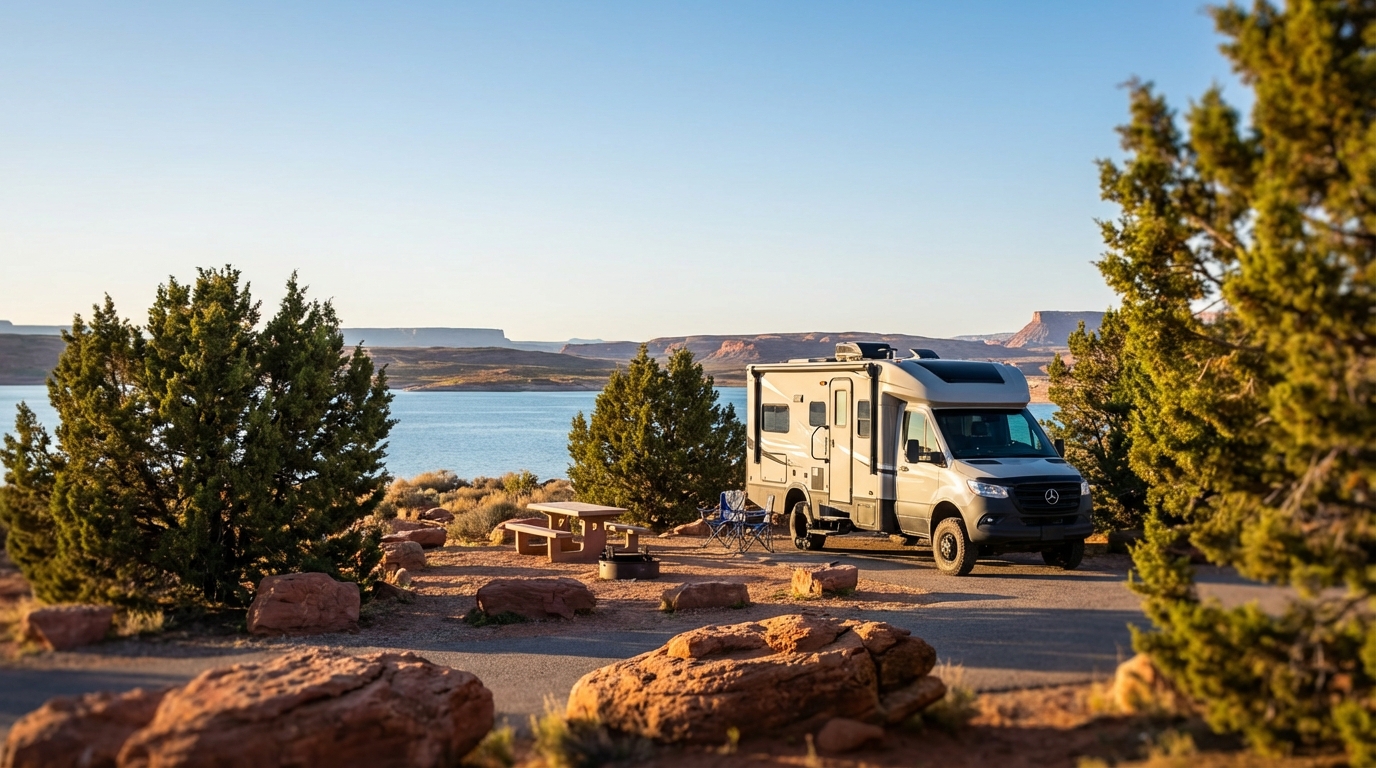

The U.S. Army Corps of Engineers announced this week that the South Side Campground at Conchas Lake, New Mexico, is transitioning from first-come, first-served availability to mandatory online reservations through Recreation.gov. The new system opens for booking on April 15, 2026, marking a significant operational shift for the year-round facility. This change applies exclusively to the USACE-managed South Side Campground and does not affect the separate campgrounds at the lake managed by New Mexico State Parks, according to the agency’s official announcement detailing the new reservation requirements.
The rollout follows a phased timeline designed to ease the transition for both staff and visitors. Beginning March 30, 2026, the public can view campsite availability on Recreation.gov, giving prospective campers nearly two weeks to browse options before booking opens. For those seeking reservations during the interim period between March 23 and April 14, 2026, visitors must contact the USACE-Conchas Lake project office directly at 575-868-2221. Once fully operational, the system will allow reservations up to six months in advance.
Phased implementation approaches are commonly used in system transitions, as providing viewing access before booking capability allows both staff and guests to adapt while enabling operators to troubleshoot technical issues before high-volume booking periods begin. Private campground operators considering similar transitions from walk-up availability to online reservations can observe how this federal property is managing the changeover and apply comparable strategies to their own operations.
Justin Gibson, USACE lead park ranger at Conchas Lake, emphasized the guest-facing benefits of the modernized system. “This move is designed to make your camping experience smoother and more convenient,” Gibson said. “Recreation.gov offers an easy-to-use, centralized platform where you can view site availability, plan ahead, and secure your spot anytime, from anywhere.”
For campground operators evaluating their own reservation infrastructure, centralized digital booking systems like the one being implemented at Conchas Lake offer several operational advantages. Online systems with integrated payment processing and cancellation policies generally help reduce no-show rates compared to first-come, first-served models because guests have financial commitments tied to their reservations. This improved attendance predictability allows operators to better forecast staffing and resource needs, ultimately supporting more efficient operations throughout peak and shoulder seasons alike.
The six-month advance reservation window being introduced at the year-round campground addresses a growing expectation among today’s travelers. Allowing reservations well in advance caters to guests who plan vacations months ahead of travel dates, particularly traveling RV enthusiasts who often book routes and destinations long before departure. For destination campgrounds and properties seeking to attract this demographic, extended booking windows serve both guest planning preferences and operator revenue predictability, providing clearer visibility into future occupancy and income.
Campers who prefer assistance or lack reliable internet access can still secure reservations by phone. The Recreation.gov reservation line at 1-877-444-6777 connects callers with specialists daily from 10 a.m. to midnight Eastern time. The phone service is unavailable on Thanksgiving Day, Christmas Day, and New Year’s Day.
Many hospitality operations maintain alternative booking channels alongside online systems to accommodate guests who prefer personal assistance or face connectivity challenges. This dual-channel approach ensures the reservation process remains accessible to all potential visitors regardless of their comfort level with digital platforms.
For campground operators, digital booking platforms capture valuable guest information that can inform strategic business decisions. Data including booking lead times, length of stay patterns, and seasonal demand fluctuations enables more informed choices about pricing strategies, site improvements, and marketing investments. Understanding when guests book and how long they stay helps operators optimize their offerings and allocate resources more effectively.
Mobile accessibility has also become a baseline expectation rather than a premium feature in outdoor hospitality. Today’s campers increasingly expect to browse availability and manage bookings from smartphones and tablets, making mobile optimization essential for any reservation system.
Looking ahead, Gibson expressed enthusiasm about the enhanced capabilities the new system will bring to Conchas Lake visitors. “We’re excited about this upgrade and look forward to continuing to provide you with great outdoor experiences at Conchas Lake,” he said. “Stay tuned and get ready to book your next trip!”
While public campgrounds utilize government platforms like Recreation.gov, numerous third-party reservation management systems offer similar functionality for private RV parks, campgrounds, and glamping resorts. The benefits cited by USACE—smoother guest experiences and guaranteed accommodations—reflect the same satisfaction improvements private operators typically see after implementing professional booking systems. The Conchas Lake transition illustrates how campground operations are increasingly adopting digital reservation systems to meet evolving guest expectations.
