

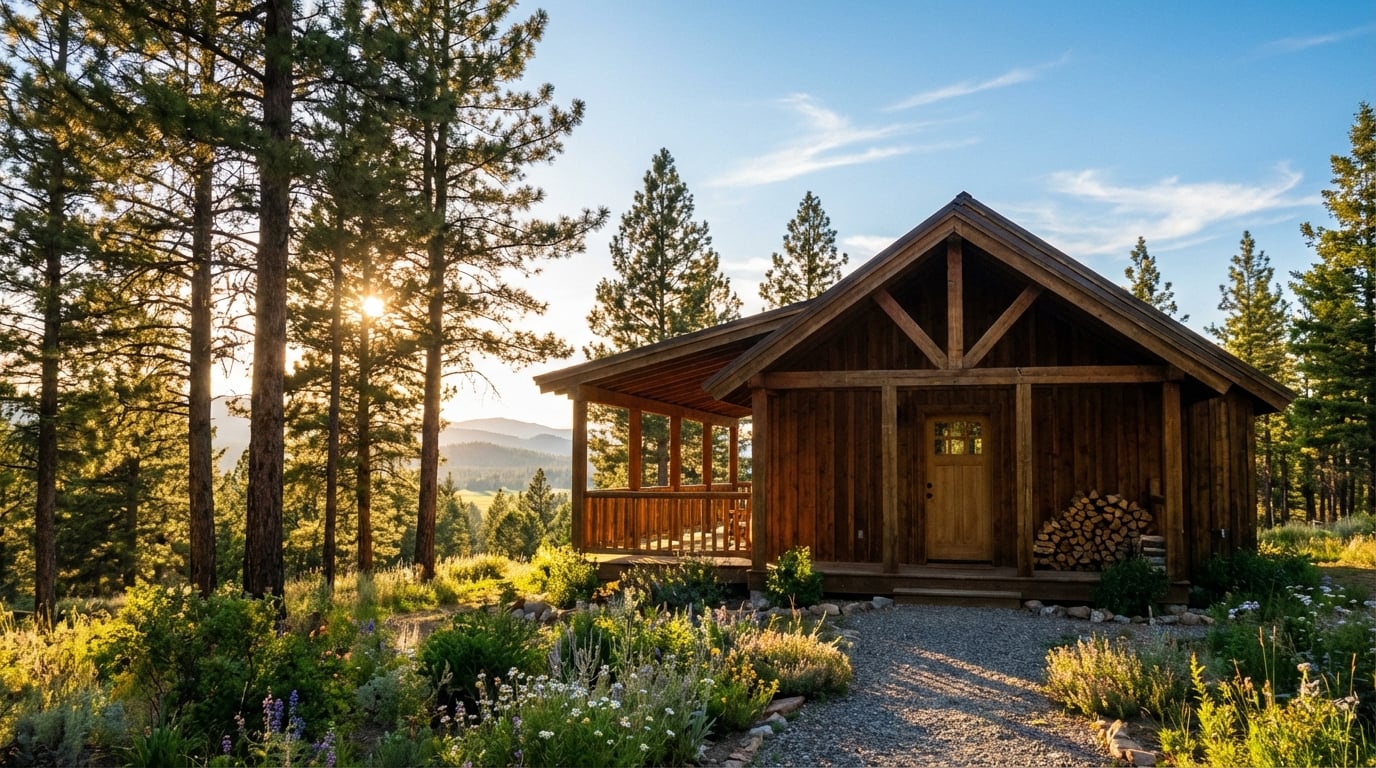

New Mexico State Parks Division will open its first-ever cabin accommodations on March 28, 2026, at Coyote Creek State Park, marking a historic milestone after 93 years of state park operations without fixed lodging options. The $3,873,585 development, located in the newly named Aserradero Loop—Spanish for “sawmill”—represents a significant investment in modernizing camping infrastructure and expanding accessibility for visitors across the state, according to details released by the agency ahead of a scheduled noon ribbon-cutting ceremony.
For outdoor hospitality operators watching public-sector investments, this development carries broader significance. The decision by a state park system to enter the cabin market after nearly a century signals growing recognition that diversified accommodation types serve evolving visitor expectations. Adding fixed accommodations to traditional campgrounds has become an increasingly common diversification strategy across the outdoor hospitality industry, as cabins capture revenue from guests who may not own RVs or camping equipment. This approach effectively lowers the barrier to entry for first-time outdoor recreation participants while typically commanding higher nightly rates than RV or tent sites.
The new Aserradero Loop development includes five cabins and five recreational vehicle sites designed with modern amenities. All five cabins feature electric power, interior lighting, wood stoves, and a dedicated water hydrant, with one cabin designed to be fully Americans with Disabilities Act (ADA) accessible. The five new RV sites include modern shelters, electricity, and water hookups, with one site meeting full accessibility standards. Wood stoves and electric heating extend the usable season in colder climates, reducing weather-related cancellations—a consideration that operators evaluating similar projects should weigh carefully. Modern cabin guests increasingly expect interior lighting, climate control, and nearby water access as baseline features rather than premium upgrades.
Accessibility improvements in outdoor hospitality settings serve both ethical and business purposes. Properties that invest in accessible accommodations tap into an underserved market segment, as travelers with disabilities and their families frequently report difficulty finding suitable outdoor lodging options. Accessible features also benefit aging demographics, families with young children, and guests recovering from injuries, effectively broadening the potential customer base well beyond those who specifically require ADA compliance. Best practices for operators considering similar investments include firm, level pathways from parking to accommodations along with roll-in showers featuring grab bars and adequate turning radius. Operators should also consider pull-through configurations for accessible RV pads with proximity to restroom facilities, as well as staff training on disability etiquette and emergency evacuation procedures.
Dustin Berg, founder of GoUnlimited, a nonprofit focused on helping people with compromised mobility participate in outdoor recreation activities, praised the development in advance of the ribbon-cutting ceremony. “This marks the beginning of a new era in New Mexico outdoor recreation, where the health and well-being of all community members are central to a creative, forward-thinking and practical approach to outdoor design—ensuring this newly accessible space can be enjoyed by everyone,” Berg said.
The project received funding through a combination of federal and state sources, with $1,675,000 from the Land and Water Conservation Fund and $2,198,585 in state funding supporting the nearly $3.9 million total cost. Spears Horn Architects served as prime architect on the project, while Franken Construction was the contractor on record, as reported by Las Cruces Digest. Many state and federal grant programs prioritize projects with accessibility components, which can offset initial construction costs—a funding avenue that private operators may pursue through partnerships or grant applications. Construction costs for cabin projects vary significantly based on design complexity, site preparation requirements, and regional labor markets, though partnering with architects and contractors experienced in outdoor hospitality typically streamlines permitting and ensures code compliance.
Toby Velasquez, division director of the New Mexico State Parks Division, emphasized the economic significance of the investment. “Outdoor recreation contributes significantly to New Mexico’s economy, and investments like this new campground will help ensure state parks continue to serve as anchors for tourism and community vitality,” Velasquez said. The director also highlighted the inclusive nature of the development, adding, “We’re not just expanding overnight options; we are creating new and modern opportunities for individuals and families to experience their state parks—from beginners to people of all abilities.”
The cabins and new RV sites will be available for reservation starting April 1, 2026, through the state parks system at newmexicostateparks.reserveamerica.com. Digital reservation platforms have made it easier for properties to manage mixed inventory that includes tent sites, RV hookups, and cabin accommodations within a single booking system. Integrating new accommodations into digital booking infrastructure from the outset is increasingly considered an operational best practice, and phased development approaches—such as starting with a small number of units—allow operators to test market demand before committing to larger investments.
The public is invited to attend the opening day festivities, which will include the ribbon-cutting ceremony at noon on Saturday, March 28, 2026, followed by the Mora Creative Council’s third annual egg hunt at 1 p.m. New Mexico families and members of the media can preview the updated campground and cabins, with additional details available through the state’s Energy, Minerals and Natural Resources Department.
For private campground and glamping resort owners, this public investment provides a reference point for project scope and budgeting, though private developments may achieve different cost structures depending on scale and design choices. The decision to equip cabins with electric power, wood stoves, and dedicated water hydrants reflects industry understanding that modern cabin guests expect certain baseline amenities. Site selection within existing properties should balance cabin guest privacy with operational efficiency and utility access.
Berg offered additional perspective on the broader community impact of accessible outdoor infrastructure investments. “By investing in inclusive outdoor infrastructure, we strengthen families, support small businesses, and build a more vibrant and connected community,” he said.
For private campground and glamping resort owners watching this development unfold, the public investment signals growing demand for accessible outdoor accommodations and diversified lodging options—a trend worth monitoring as visitor expectations continue to evolve across the outdoor hospitality sector. The nearly 93-year wait for cabins at New Mexico State Parks underscores how significantly the landscape has shifted, with both public and private operators now recognizing that fixed accommodations serve an essential role in capturing new market segments and meeting the needs of today’s outdoor recreation enthusiasts.
