


The 2026 FIFA World Cup matches at Gillette Stadium are generating unprecedented accommodation demand across the Boston region, with Airbnb reporting an 80 percent surge in booking interest as of early March. Yet communities immediately surrounding the stadium face a significant constraint: Foxborough and Plainville maintain strict prohibitions on short-term rentals, effectively eliminating a significant number of potential lodging options just as soccer fans from around the globe begin securing places to stay. This regulatory landscape has positioned Sharon, Massachusetts, as one of several legal alternatives for hosting visitors, creating a market dynamic that outdoor hospitality operators throughout the region should be watching closely.
The supply bottleneck near Gillette Stadium represents an opportunity for campgrounds, RV parks, and glamping resorts within driving distance of the venue. While individual homeowners in Sharon must navigate weeks of paperwork and inspections before legally accepting guests, established outdoor hospitality properties already operate under existing licenses and permits. Operators evaluating their position should consider capacity expansion where zoning allows, recognizing that traditional lodging and newly permitted home rentals will struggle to absorb the full wave of international visitors descending on the region.
Major sporting events have consistently demonstrated that hotels and conventional rentals cannot meet peak demand alone. Outdoor hospitality venues have an established track record of capturing overflow guests who find themselves priced out of traditional options or simply unable to secure availability. The current 80 percent demand increase suggests campgrounds and glamping operations throughout the greater Foxborough area could see significant booking volume if they position themselves effectively in the coming months.
Sharon moved to address the anticipated influx by issuing official guidance outlining registration requirements for homeowners interested in renting their properties. According to the town’s announcement, property owners who rent or offer to rent for more than 14 days within a 12-month period must register with the municipality. The registration process is managed through the town’s online permit portal, a process that takes approximately three weeks, creating urgency for homeowners hoping to capitalize on World Cup bookings.
During the registration period, applications undergo comprehensive review and physical inspection by Sharon’s Building, Fire, and Health Departments to ensure compliance with local regulations and state building codes. The rental unit must be the primary structure on the parcel and must be officially registered with the Massachusetts Department of Revenue. Town inspectors require properties to meet strict safety and sanitation standards before granting approval.
The inspection criteria reflect the safety concerns municipalities increasingly attach to short-term rentals. Properties must maintain clear and sufficient emergency exits, properly mounted fire extinguishers on every floor, and functional smoke detectors and carbon monoxide alarms. Additionally, units must show no evidence of excessive trash or rodents. Once approved, rental properties remain subject to inspections for the duration of their use as short-term accommodations.
For outdoor hospitality operators, this regulatory framework actually underscores a competitive advantage they already possess. Licensed campgrounds, RV parks, and glamping resorts operate under continuous regulatory oversight rather than one-time inspections. This ongoing compliance creates trust signals that individual home rentals may struggle to match, particularly when hosting international guests unfamiliar with the region and seeking assurance about where they stay.
Professional operators typically exceed baseline safety standards through regular internal audits, posted emergency evacuation routes throughout their properties, and staff trained on emergency response protocols. Maintenance logs for fire suppression equipment, electrical systems, and propane infrastructure demonstrate operational diligence that goes beyond minimum requirements. The availability of 24-hour on-site management or emergency contacts provides security that unmanned short-term rentals simply cannot offer. When marketing to World Cup visitors comparing accommodation options, these factors become meaningful differentiators.
Outdoor hospitality operators within reasonable distance of Gillette Stadium should consider several strategies to capture event-driven demand. Establishing relationships with regional tourism boards and FIFA organizing committees can result in listings on official accommodation resources that international visitors will consult first. Implementing dynamic pricing strategies during high-demand periods allows operators to maximize revenue while remaining competitive with hotels facing their own surge pricing pressures.
Creating event-specific packages represents another avenue for differentiation. Transportation partnerships or shuttle services to the stadium address a practical concern for international visitors unfamiliar with local logistics. Upgrading Wi-Fi infrastructure before matches ensures guests can stay connected and share their experiences, while training staff on World Cup basics including team information, match schedules, and transportation options enhances the guest experience. Preparing multilingual signage and guest materials acknowledges the international nature of the event, and extending office hours during match windows accommodates late arrivals common with evening games.
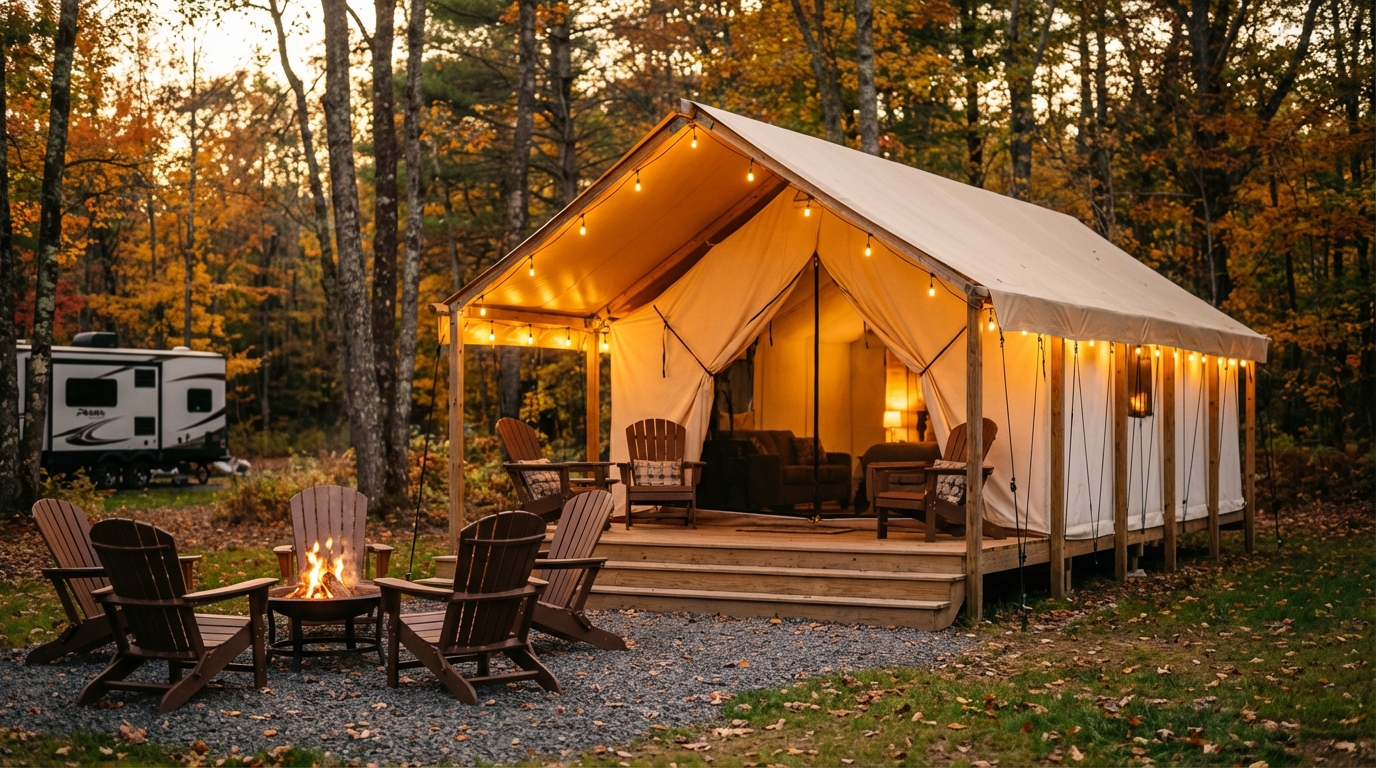
Glamping operators hold a particular opportunity to market their accommodations as unique experiences international visitors cannot find at traditional hotels. Rather than simply competing on price or proximity, these properties can position stays as memorable parts of the World Cup journey itself, turning stadium access into a distinctive hospitality story that resonates with travelers seeking more than a standard room.
The regulatory environment that constrains short-term rentals near major venues creates conditions that favor professionally managed outdoor hospitality properties throughout the region. Sharon’s emergence as a rental hub illustrates how major events reshape accommodation markets in ways that extend well beyond stadium gates. Operators evaluating the 2026 World Cup opportunity should act now, recognizing that lead times for marketing campaigns, staffing adjustments, and any infrastructure improvements require planning months in advance of the first whistle.
