

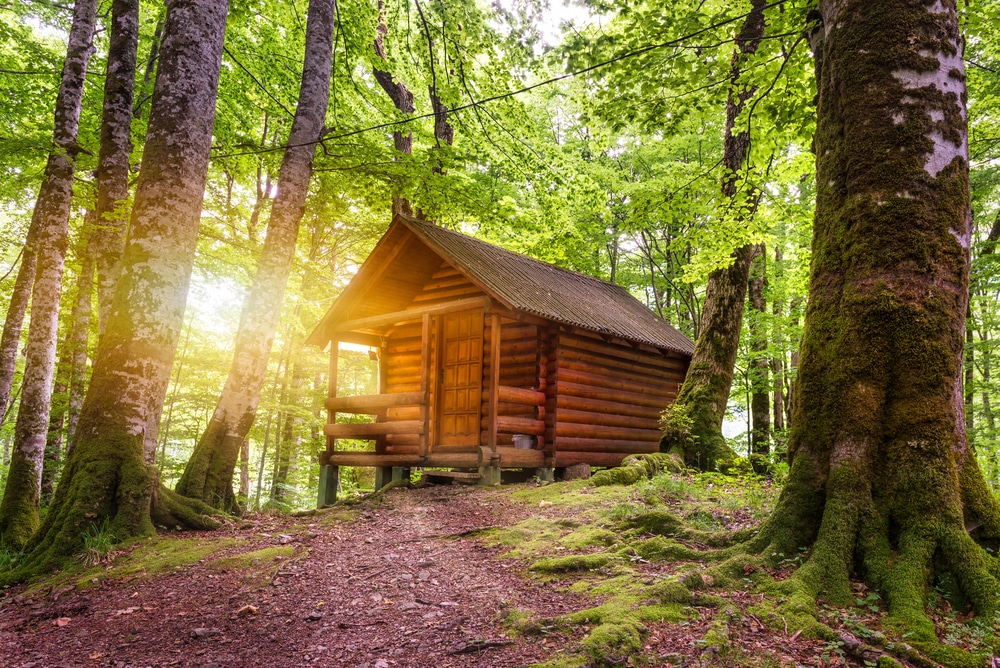

Plans for a new multi-day walking trail and luxury glamping-style cabins in the Gardens of Stone State Conservation Area have ignited a heated debate over the role of private enterprise in protected public lands.
According to an article by The Guardian, the proposal by the New South Wales National Parks and Wildlife Service involves leasing a central portion of the reserve to a private operator for the construction of 18 twin cabins.
Critics of the project, including local conservationist Keith Muir, argue that the development amounts to a commercial resort rather than a simple bush camp.
Muir expressed concerns that allowing such infrastructure in the Gardens of Stone could set a precedent for similar developments in other wild places across Australia.
Conversely, proponents of the project suggest that sustainable tourism is vital for supporting underfunded park systems.
Brett Mitchell, managing director for Australia and New Zealand at Intrepid Travel, stated that tourism plays an important role in protecting the environment and increasing accessibility for those unable to carry heavy equipment into remote areas.
The trend of private tourism development inside national parks is a growing shift in Australian land management.
Emeritus Professor Ralf Buckley of Griffith University noted that while parks were historically run for conservation and independent campers, they are increasingly granting exclusive rights to developers for high-end lodges and private access roads.
In Queensland, the Scenic Rim Trail serves as a notable example of this model, where luxury cabin sites were developed through a public-private partnership.
A spokesperson for the Queensland environment department noted that such ventures deliver jobs and support regional tourism while generating revenue for conservation work.
However, former Greens leader Bob Brown remains a staunch opponent of what he terms “wilderness lodges,” calling the concept an oxymoron.
Brown argued that wilderness should remain free from modern technological impacts and that public land should not be handed over for private profit.
Neil Lynch, managing director of the Tasmanian Walking Company, countered that commercial operators can exist within parks if they maintain small scales and high environmental standards.
He noted that his customers contributed $1 million to Tasmanian Parks and Wildlife last year, providing a pathway for less experienced visitors to enjoy the wilderness.
This tension between conservation and commercialization is a defining issue for the outdoor recreation and hospitality industry.
As public funding for parks faces constraints, the rise of luxury glamping and private-public partnerships represents a significant shift in how natural assets are managed and monetized, offering new opportunities for operators while challenging traditional concepts of public land use and environmental preservation.
