

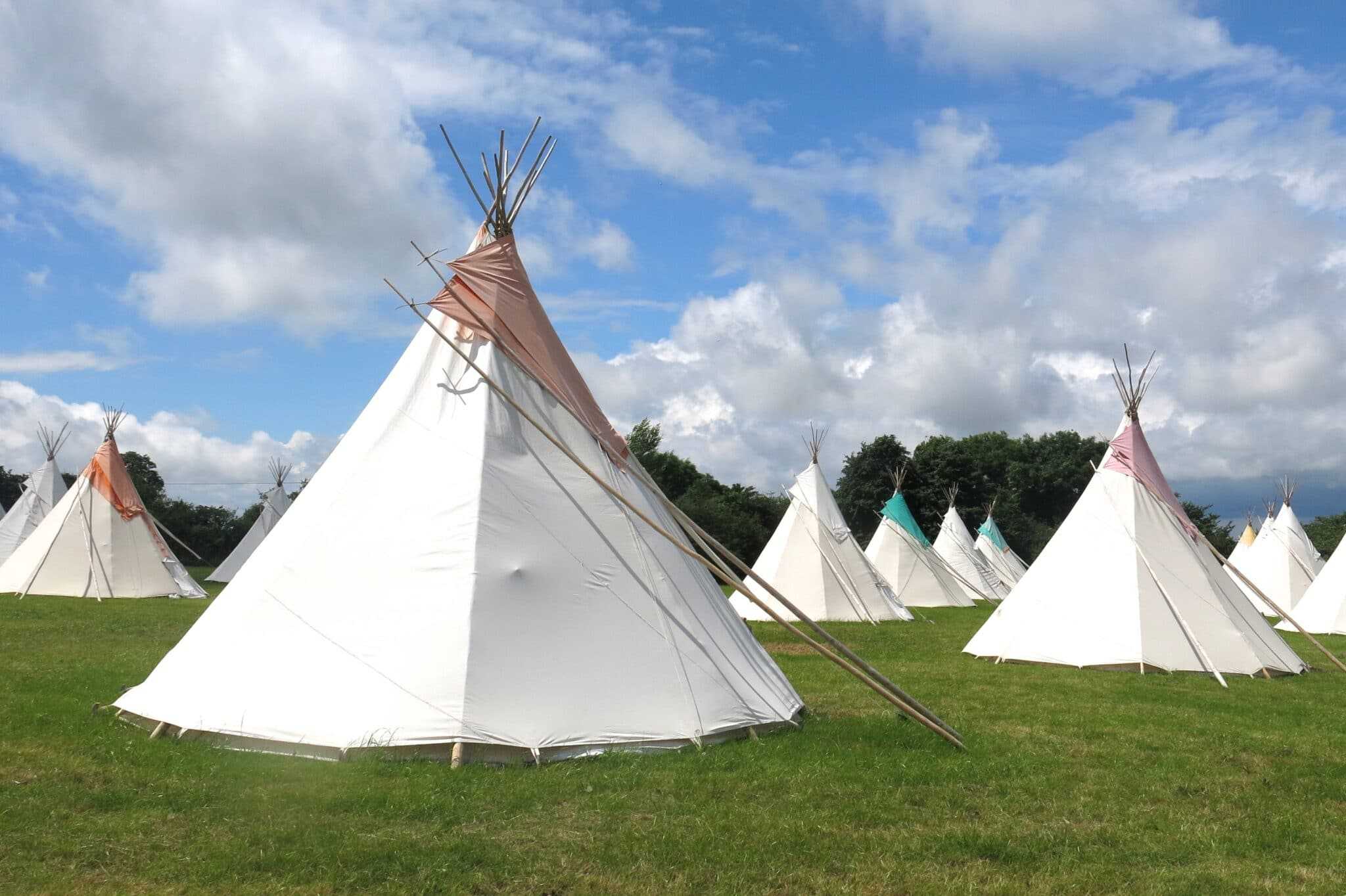

La Hilir, a forest retreat in Kuala Pilah, Negeri Sembilan, has been developed with a design approach centered on minimal land disturbance and long-term environmental integration, according to details shared by founder Allan Casal. The project, which operates as an exclusive-use glamping property with three tent accommodations, was shaped over nearly a decade of observation before construction began.
Casal said he and his wife, Irena, spent years studying the former rubber plantation site before building any structures. They monitored how sunlight moved through the forest canopy, observed natural water flow patterns after rainfall, and identified existing clearings that could accommodate development without major excavation.
The property’s original terraced landscape, created during its years as a plantation, ultimately determined the placement of the accommodations.
The three terraces were converted into individual tent platforms positioned at different elevations, providing natural privacy between units while preserving a shared central space for communal dining. Rather than operating as separate bookable units, the property is rented as a single exclusive-use destination for one guest group at a time.
Construction methods were also influenced by local vernacular architecture. Instead of using continuous concrete slabs, each tent platform was elevated on individual concrete footings, allowing rainwater to continue moving naturally through the site. Casal said the approach was inspired by traditional village homes in the surrounding area.
During the construction process, plans were reportedly modified to preserve existing vegetation. Casal redesigned one tent footprint after discovering a budding anau palm, a species native to Negeri Sembilan, growing within the original construction area. Six years later, the tree now provides shade for the tent.
Infrastructure development also reflected the site’s low-impact approach. According to Tatler, Casal said the property’s swimming pool required 15 workers to hand-pour concrete overnight because bringing heavy machinery into the forest would have required clearing additional land for access.
Much of the timber used throughout the retreat was sourced from reclaimed kampung houses through a local supplier specializing in salvaged materials. Reused wood was incorporated into dining tables, television counters, and other furnishings.
Decorative elements, including driftwood collected from the site’s creek, were also integrated into the design. Casal explained that furniture selections were based primarily on practicality and long-term replacement potential rather than aesthetics alone.
The retreat’s lighting and interior design were also developed around the forest environment. Because the property sits beneath a dense canopy, daylight is naturally diffused, reducing the need for artificial lighting during the day. Tent interiors feature layered lighting systems intended to provide low-impact illumination after dark.
An outdoor kitchen is currently under construction beside the existing dining area, while plans for an additional accommodation type remain under consideration.
For outdoor hospitality operators, the project highlights a growing segment of travelers seeking lower-density accommodations that emphasize privacy, environmental preservation, and locally sourced materials.
The approach may also reflect broader industry interest in adaptive reuse, sustainable construction methods, and destination design that minimizes disruption to natural landscapes.
Exclusive-use booking models, in particular, continue to gain attention among glamping and boutique outdoor lodging operators looking to differentiate their offerings in a competitive market.
Casal said maintaining undeveloped space remains a central principle of the property’s long-term vision.
“Most people, when they have resources, build more,” he says. “The instinct is always toward addition. Some guests would suggest things we could add, expand, or develop further, and they mean it kindly. But knowing when to stop is its own kind of design decision. The empty spaces here are intentional. The fact that the forest is still mostly forest is not a limitation we haven’t gotten around to fixing. It’s the whole point.”
