


Nearly 20 Vermont municipalities will ask voters to approve a 1 percent local option tax on rooms, meals, alcohol, and retail sales when Town Meeting Day arrives Tuesday, representing a significant wave of communities seeking to diversify revenue streams beyond property taxes. If approved, these towns would join approximately two dozen other Vermont communities already collecting the levy, pushing the total number of municipalities with local option taxes to more than 40 statewide.
For campground owners, RV park operators, and glamping resort businesses in these voting municipalities, passage would mean updating billing systems and guest-facing processes before implementation. The tax applies to accommodations, which includes outdoor hospitality nightly rates, adding a layer of operational consideration for properties in affected areas. Clear fee disclosure during the booking process reduces friction at check-in and decreases disputes, and most modern reservation systems allow operators to itemize state and local taxes separately from base rates. Many operators review base pricing when new taxes take effect, sometimes absorbing partial increases during shoulder seasons while passing through full costs during peak demand periods.
According to survey information released ahead of the vote, the following towns will decide on implementing the new 1 percent local option tax: Bolton, Bristol, Castleton, Chester, Fair Haven, Hardwick, Londonderry, Mendon, Milton, Morristown, Peru, Pittsfield, Pomfret, Roxbury, Swanton, Vergennes, Waitsfield, Westmore, and West Windsor. West Windsor has taken a unique approach, separating the taxes into three distinct ballot articles covering sales, rooms, and meals and alcohol, allowing voters to approve them individually rather than as a single measure.
Municipal leaders cite alleviating property tax burden as the primary driver behind these proposals. The tax captures revenue from tourists and non-residents who use local infrastructure, shifting some fiscal responsibility away from property owners. Under the revenue distribution established by Act 57, 75 percent of collections remain with the municipality while 25 percent goes to the state’s payment-in-lieu-of-taxes fund. The legislation, passed last year, increased the town’s share from previous levels, making the tax more attractive to local governments.
Act 144 streamlined the adoption process considerably. Towns no longer need charter changes or state legislative approval to enact the 1 percent tax, requiring only a majority vote at an annual or special town meeting. Previously, the legislature could block such changes, creating uncertainty for municipalities considering the revenue option.
Waitsfield officials estimate their local option tax could generate $600,000 annually, with funds earmarked for a new wastewater plant intended to support housing development. Morristown projects approximately $1.25 million in annual revenue to support capital projects. Mendon plans to establish an economic development fund specifically for rehabilitating blighted properties, including abandoned hotels that detract from the tourism-dependent community’s appeal.
These infrastructure investments present strategic opportunities for outdoor hospitality operators. Many rural campgrounds and glamping operations rely on septic systems that limit site density and expansion potential. When towns develop new wastewater infrastructure, nearby properties may gain access to municipal sewer connections enabling higher-capacity operations. Towns establishing economic development funds sometimes extend grants or low-interest loans to hospitality businesses demonstrating job creation or tourism enhancement. Operators in affected communities should monitor local economic development committees for applicable programs, and properties in towns investing in infrastructure today may offer better utility access within typical development timelines.
While most towns are voting to establish a 1 percent tax, Stowe is asking voters to approve doubling its existing local option tax to 2 percent. Unlike standard 1 percent adoption requiring only a town vote, Stowe’s increase involves a charter amendment requiring additional state legislature approval. This represents the highest potential local option tax rate being considered in Vermont and reflects the resort town’s unique economic position.
For operators in the 19 municipalities voting Tuesday, staff training helps front desk and reservation personnel explain that local option taxes fund community infrastructure guests utilize, including roads, emergency services, and recreational facilities. Posted signage explaining tax allocations helps guests understand where money goes, and language emphasizing community investment generates more acceptance than generic tax disclaimers. Modern property management systems can automate tax calculations across multiple jurisdictions and generate compliant receipts, reducing administrative burden for operators managing properties across varying local tax structures.
A separate legislative proposal under discussion would allow towns to assess a second 1 percent local option tax specifically for transportation funding, according to the same advocacy update. Vermont faces a $33 million shortfall in state transportation revenue, and failing to address this gap would result in losing $163 million in federal highway aid. The proposed transportation tax would have different revenue distribution than the current local option tax: 50 percent to the municipality, 40 percent to a state municipal transportation fund, and 10 percent to the payment-in-lieu-of-taxes fund. Transportation often comprises 70 percent to 75 percent of small town municipal budgets, making this potential additional levy significant for rural communities.
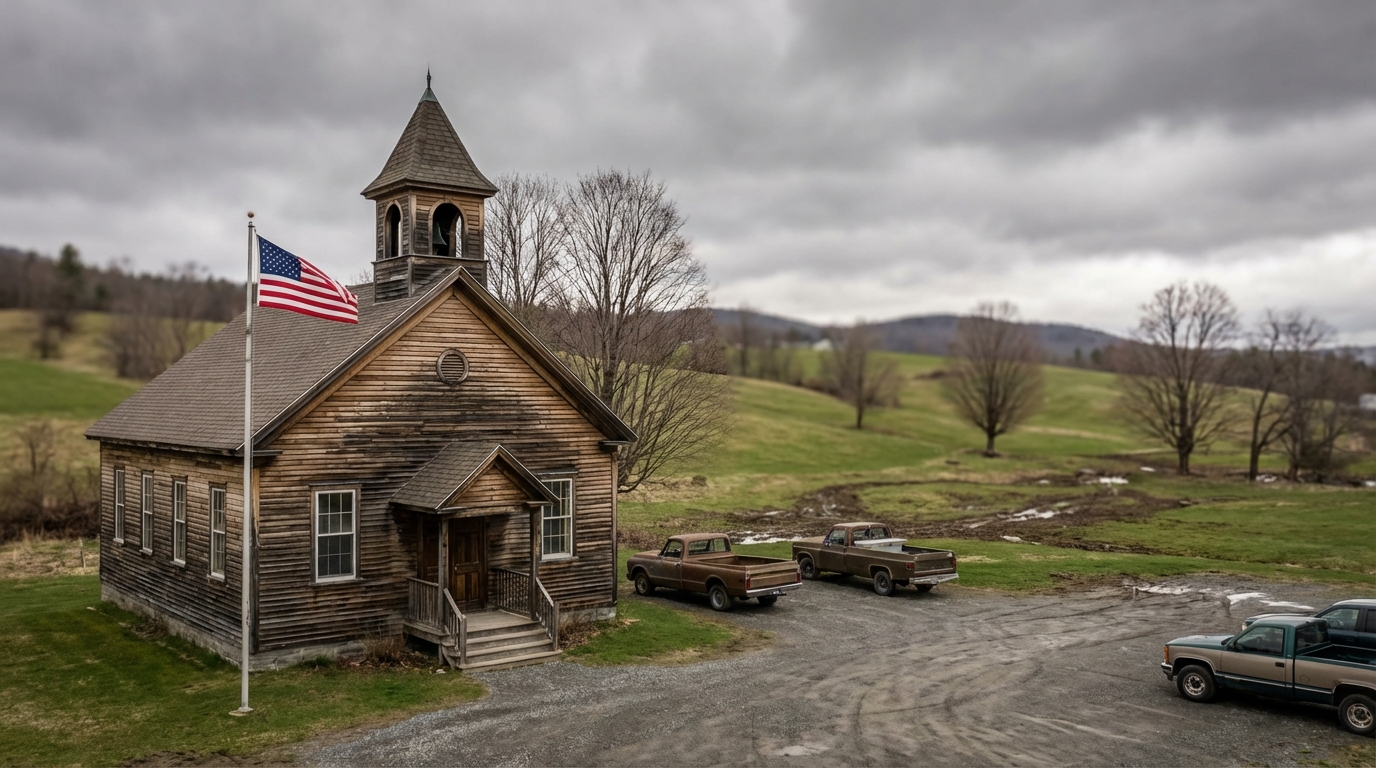
Most votes occur on Town Meeting Day, continuing a 250-year Vermont tradition of local democracy. Towns use various methods including floor votes or Australian ballot voting. Some communities operate on different schedules: Barre City and Barre Town vote on school budgets March 3 but deferred municipal questions to May, while Essex Junction votes on local issues in April. For affected outdoor hospitality operators, implementation timing would follow successful votes, requiring system updates before the tax takes effect.
Operators evaluating Vermont expansion should factor potential local option taxes into financial projections, as approximately 45 municipalities could have these levies in place after this week’s votes. Properties that actively participate in local planning processes may build goodwill that smooths future permitting and expansion efforts. Connecting to municipal wastewater systems and benefiting from community infrastructure investments supports marketing claims around environmental responsibility, an increasingly influential factor in outdoor hospitality booking decisions. Capital projects funded by local option taxes occasionally include recreational amenities, trail systems, or public spaces benefiting adjacent hospitality properties, creating value beyond the direct tax implications.
Results will be known following Tuesday’s Town Meeting Day votes across the state. For outdoor hospitality operators in voting municipalities, the outcome will determine whether billing system updates and guest communication strategies need implementation in the coming months. The broader trend suggests Vermont’s tax landscape for hospitality businesses will continue evolving as municipalities seek sustainable revenue sources that balance the needs of year-round residents with the economic contributions of the visitors who fill campgrounds, RV parks, and glamping resorts throughout the tourism season.
