

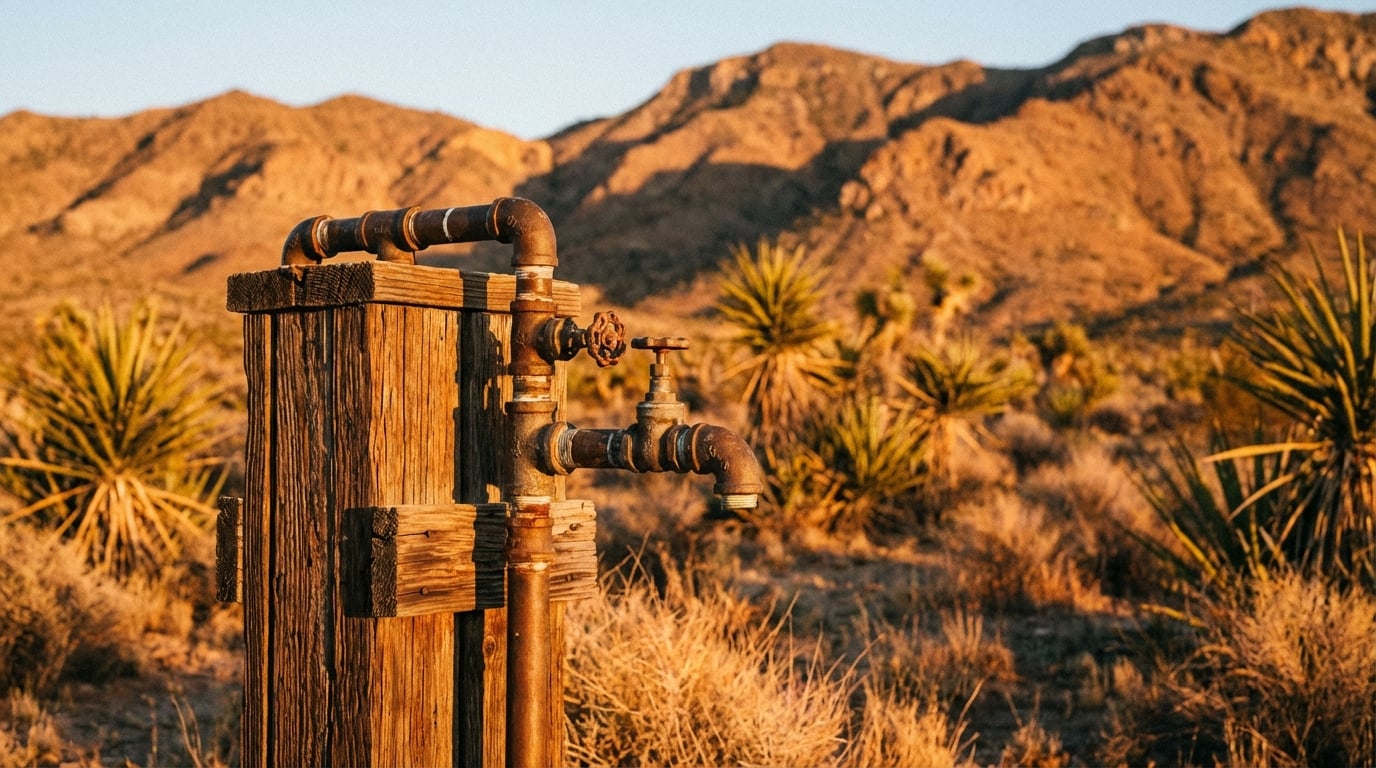

Big Bend National Park has closed the Chisos Mountains Lodge indefinitely after a critical water shortage caused by the complete failure of water pumps at Oak Spring, the sole water source for the Chisos Basin area, creating an operational crisis that underscores the urgency of a redevelopment project scheduled to begin May 1. The lodge closure, which began Thursday, came after pumps failed just before Christmas, leaving the park scrambling to preserve remaining water stores for firefighting capabilities and essential safety needs while repairs proceed without a firm timeline for completion.
The infrastructure failure highlights a vulnerability that underscores risks for any outdoor hospitality operation dependent on a single water source. According to a park alert posted the week prior, “Pump repairs are being expedited, with no timeline for restoration.” Compounding the problem, the backup pump was away from the park being repaired when the primary pumps failed, creating a timing vulnerability that left operations without any functional water extraction capability.
For outdoor hospitality operators watching this situation unfold, the lesson is clear. Properties with access to multiple water sources—whether combining well water, municipal connections, or rainwater harvesting systems—are far better positioned to maintain operations when one source fails. Maintaining backup well permits or negotiating emergency municipal water access agreements before crises occur is a common approach, as the time to establish alternatives is not during an emergency. Installing backup pumps and maintaining spare parts inventory for critical water system components is a common practice, with keeping secondary equipment on-site and ready for quick installation rather than waiting for emergency procurement.
The Chisos Basin Campground remains open but is operating without water access, forcing significant adjustments to visitor services. Basin restrooms have been closed, with portable toilets deployed as temporary replacements. The nearby camp store and food truck continue operating with reduced hours. Park officials have warned that if water levels in storage tanks drop further, a total closure of the entire Chisos Basin area may be required to ensure public safety.
The lodge, operated by private vendor Aramark, has been working to manage affected reservations. Guests with existing reservations through January 28 have been contacted regarding cancellations. “Our reservations team will continue reaching out directly to all impacted guests as we closely monitor the situation daily in coordination with the National Park Service,” the Chisos Mountain Lodge posted on Facebook in response to the closure.
The Aramark communication response reflects what is commonly considered essential during infrastructure disruptions: reaching guests through multiple channels—email, text messaging, phone calls, and social media—increases the likelihood that critical information reaches affected parties promptly. Establishing priority communication sequences ensures guests with imminent arrivals receive information first, reducing confusion and allowing staff to address the most urgent situations before moving to reservations further out. Having pre-established refund and rebooking policies for operational failures, rather than guest-initiated changes, reduces decision-making burden on staff during high-stress situations while creating consistency in guest experience.
The current crisis serves as an uncomfortable preview of a much larger planned project. The Chisos Basin area is scheduled to close to all visitors on May 1 for a redevelopment project that will address the failing water infrastructure that caused the current crisis.
The scale of the Big Bend investment represents what happens when critical systems fail completely rather than receiving incremental attention over time. For private campground, RV park, and glamping resort owners, the closure illustrates the cost of deferred maintenance—a cautionary tale for any operator weighing whether to invest in infrastructure upgrades now or later. Incremental infrastructure investments made consistently over time typically prove more manageable than emergency capital projects forced by catastrophic failures.
The Big Bend situation presents a particularly complex communication challenge that private operators undertaking significant renovations can learn from: an immediate crisis requiring cancellations overlapping with an announced closure beginning in May. Acknowledging uncertainty from the outset, as the park service did with its “no timeline for restoration” statement, maintains credibility better than setting specific dates that may need to be extended. Providing front-line staff with clear talking points and decision-making authority creates better guest experiences even during disruptions.
Operators can apply several practical lessons from this situation. Conducting seasonal infrastructure audits before peak visitation periods helps identify aging equipment, potential failure points, and maintenance needs. Maintaining water storage capacity that exceeds daily operational needs provides crucial buffer time during supply disruptions, with common practice suggesting enough stored water to operate at reduced capacity for several days minimum. Establishing relationships with vendors who provide portable water tanks, water delivery services, and temporary sanitation facilities enables faster response when infrastructure fails—Big Bend’s deployment of portable toilets demonstrates this response in action, though having those vendor relationships established beforehand eliminates procurement delays during emergencies.
Documenting water conservation protocols with clearly defined stages allows staff to implement restrictions quickly and consistently, while proactive replacement of components nearing end-of-life prevents unexpected failures during high-demand periods. As outdoor hospitality demand continues strong, operators who prioritize infrastructure resilience and develop robust crisis communication capabilities position themselves competitively. The Big Bend situation serves as both a cautionary tale about single points of failure and a learning opportunity for operators committed to operational excellence and uninterrupted guest satisfaction.
