


Mammoth Cave National Park is seeking public input on a proposed rule that would expand where bicycles and horses are allowed, giving the park superintendent authority to permit riding on designated trails and roads while maintaining resource protections.
The National Park Service (NPS) announced February 9 that the proposal would amend special regulations governing bicycle and horse use within Mammoth Cave National Park in Kentucky.
The rule is intended to align trail access with an approved management plan and environmental review findings.
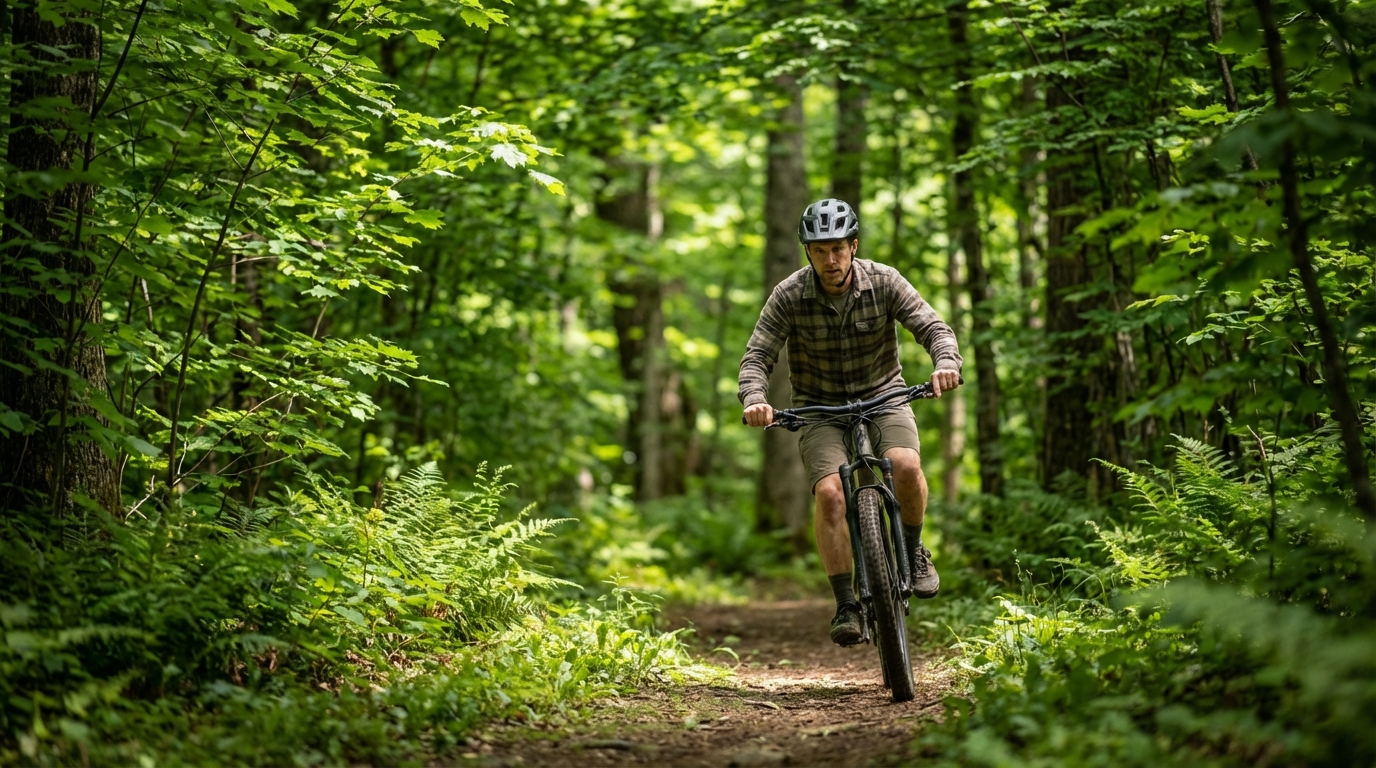
Under the proposal, the superintendent could authorize bicycle use on approximately 37 miles of multi-use trails, including existing routes and new trails that will be constructed.
The rule would also allow horseback riding on the 5.4-mile Houchin Ferry North/Ollie Ridge Road.
According to the NPS, the Land and Rivers Trails Management Plan identified the expanded bicycle and horse access as the preferred alternative. An assessment tied to the plan found no significant impact associated with the proposed changes.
In a separate written determination, the park concluded that bicycle use on trails identified in the rule, along with certain administrative roads that would open to bicycle use under the selected alternative, is consistent with protecting the park’s natural, scenic and aesthetic values.
The determination states the uses meet safety considerations and management objectives and would not noticeably disturb wildlife or other park resources.
According to a press release, the public comment period on the proposed rule runs from February 9 through April 10. Comments must be submitted through the Federal Register website as part of the formal rulemaking process.
Mammoth Cave National Park encompasses 52,830 acres in south central Kentucky and preserves geological, biological and historical features associated with the world’s longest cave system. The park supports a range of surface and cave-related recreational opportunities.
The NPS employs more than 20,000 people and manages more than 430 national parks nationwide. The agency also works with communities across the country to preserve local history and expand access to recreation.
