
Outdoor Hospitality News
For owners, operators, team members, and anyone else interested in camping, glamping, or the RV industry.
News for October 21, 2026




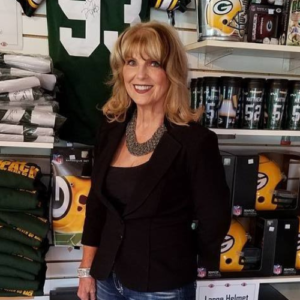
[00:00:45] Brian Searl: Welcome everybody to another episode of MC Fireside Chats. My name is Brian Searl with Insider Perks and Modern Campground, excited to be back here for a first week of July episode. It’s Canada Day, it’s a holiday for me, but I’m here working with you guys because where else would I be? On a great podcast with great guests and great things to talk about.
So, excited to be back here for July 1st, 2024, or a couple days away from an American holiday as well. So we’ll get some updates on that. So we’ve got our recurring guests here, Scott Bahr. I’ll quickly let you introduce yourself in a second, Scott. Simon Neal and Phil Ingrassia.
And then we got special guests, Tina Severson and Lori Severson, who are both, got their hands in all kinds of things around the industry as always. And then we’ve got Ward as well. So let’s just go around the room and briefly just introduce everybody. We’re going to start with our recurring guest, Scott. Go ahead.
[00:01:29] Scott Bahr: Uh, Scott Bahr, Cairn Consulting Group. We’re market research and analysis.
[00:01:37] Brian Searl: Whoever wants to go next. Feel free to.
[00:01:43] Phil Ingrassia: I’m Phil Ingrassia, President RV Dealers Association US.
[00:01:48] Brian Searl: Welcome, Phil. Simon?
[00:01:51] Simon Neal: Uh, yeah, Simon, founder and CEO of Campmap. We help outdoor hospitality businesses and groups improve marketing and guest experience with premium digital maps.
[00:02:00] Brian Searl: Welcome back, Simon. Appreciate you. Tina and Lori?
[00:02:04] Lori Severson: Tina, I’ll let you go first and I’ll fill in where you leave off.
[00:02:07] Christina Severson: Okay. So Lori and I are with Severson and Associates. We’re an association management company that oversees the Wisconsin Association of Campground Owners. KOA Owners Association, and then we also have the Campground Owners Expo show that we put on ourselves in Branson.
Um, so basically all industry related. And then when Lori is, you know, not busy and hanging out and doing nothing, she’s also running her own campground in Wisconsin.
[00:02:33] Brian Searl: Awesome. Welcome to both of you. Uh, Lori, do you have anything to add?
[00:02:36] Lori Severson: No, I don’t think so. Except for, uh, we also run the Gilbert Brown Foundation. So he’s a former Green Bay Packer player and so that’s what we do in our spare time.
[00:02:45] Brian Searl: Awesome. Well, welcome both of you. And last but not least, Ward. Can we hear you, Ward? I don’t know if it’s me or if it’s Ward, but everybody else looks like they’re moving except Ward, so. Yeah, he’s a little frozen. Okay, cool.
Uh, so generally how we do this is we’ll typically start the show and we’ll say to our recurring guests, uh, Simon, Scott, and Phil, is there anything that you guys feel has come across your desk since the last time we were all on a show together? I believe at the beginning of June. Anything that’s come across your desk that you think is important that we should be talking about in the industry?
[00:03:29] Phil Ingrassia: Well, we had some, uh, for US RV shipments and sales, we’ve got some new, kind of revised 2024 prognostications that came out, um, last month. Um, and, you know, the industry, it’s no secret in the US has been, uh, pretty flat to down single digits, um, you know, throughout 2024. And that pattern is going to catch up with us through the year.
It looks like we’re going to be right around 310,000 units. Earlier this year, they were projecting 350,000. But the war, gas prices, consumer sentiment, it’s kind of been a perfect storm to kind of, you know, lower those projections through the end of the year. So that’s, that’s kind of where we are now.
Um, I was working on, um, something on used units for our, um, membership magazine and I did, there, there is some, um, good news in the used sector. Uh, both on the wholesale side and the, uh, and the sales side. Um, you know, it’s, it’s driving affordability issues and things like that. So for RV dealers, um, used sales are, are holding up. Uh, new are probably going to be, uh, down probably 10, 10 percent for the year.
[00:04:54] Brian Searl: And just for our audience to set the expectation, like this is not a problem with the RV industry. This is a macroeconomic picture, right? Like everything is in weird shape right now, right?
[00:05:05] Phil Ingrassia: Right, absolutely. Um, you know, it’s consumer sentiment is what the industry has traditionally followed as far as new unit sales go. And, um, in the US consumer sentiment numbers, uh, they’re creeping back up a little bit with, uh, some of the war news that has come out. But still not ideal.
And of course, we’re missing a big chunk of the season in, uh, May and June where typically we do a higher number of sales. So right now they’re not thinking that we’re going to be able to pick it up enough in the, uh, third and fourth quarter of the year.
[00:05:45] Brian Searl: Scott, what do you think about when you look at data? Like you’re obviously the big data guy, right? What do you think about when you look at some of the different data, both from a macroeconomic picture and from RV industry and put all of it put together? Take it wherever you want.
[00:05:56] Scott Bahr: Yeah, I think, you know, to build on what Phil was just saying, that, um, we did, you know, the early season stuff when people are making a lot of their plans, at least their mindset, um, you know, gets in that mode during that time, even if they don’t even lock down their plans. 100 percent their mind is taking them somewhere. Their intent sometimes is taking them, uh, in the direction whether it’s buying an RV or taking a trip.
And it felt like everybody’s minds were put on pause for a bit. And, you know, I wonder, and, you know, hopefully we’ll have some research coming out soon that we can, uh, verify or not some of this, is that I, I wonder what the difference will be between the set of consumers who would originally, who were originally planning on purchasing an RV, who said, ah, I’m going to wait. Will they continue? Will they still do that?
And what percent of the business is more spontaneous where someone doesn’t plan well in advance and they just one day get up and say, ah, I’m going to buy an RV. Now I know that’s probably not huge, and Phil, maybe you know the answer to that. I, I kind of, as I was saying that, I wished I had actually measured that in one of my studies. But, um, it, it does make me wonder about that. Will there be pent up demand? Uh, will people, or will they wait till the next cycle of next year?
[00:07:30] Phil Ingrassia: Yeah, I mean, our studies have shown that typically, because it’s a discretionary purchase, an RV, people take their time. Um, they’re, you know, it’s not like a car where it’s coming off lease or you’re looking at a big repair bill. Typically, uh, people will, you know, spend three to six months looking before they make that purchase.
And of course, um, with, with some of the interest rate issues, the war issues, the gas price issues, all that has kind of, uh, put things on hold. I will say, you know, uh, historically, used sales are showing that there is demand there, but it’s an affordability factor. So used values are holding up.
That typically portends that new sales will, you know, will catch up eventually. So we will see a bump in new sales, uh, probably in 2027. Uh, because it’s just, I think what Scott’s getting at is there’s a lot of people just on the sidelines right now.
[00:08:40] Brian Searl: Sorry for any background noise if you guys can hear it. Apparently my lawn care people decided to come right during the show and are trimming right outside my window. So, uh, that’s fun. Uh, just garbage trucks last week and I can’t, I just can’t sit outside. It’s the life of me.
Um, so what, what do we think Phil is the outlook here? Like I know there’s, there’s lots of things that could change and there are things that we are hopeful that will change, right? Like maybe the war is winding down. Depends on what day I guess you look at the headlines.
Uh, but maybe the war is winding down. But generally speaking, if you take out the war out of everything else, are we optimistic for the way the economy is heading into 2027? I know this is very early and you really don’t have an idea, but just your general gut.
[00:09:19] Phil Ingrassia: Yeah, typically what we’ll see is after, you know, this is an off-year election, so we’ll have the election kind of get settled. That should tee us up for a better, uh, 2027. Um, it’s just really hard to know right now because, I mean, the war news changes sometimes daily. And it has throughout the spring and early summer.
And so, uh, you know, we just need some consistency, uh, in some of these macroeconomic, uh, things that are, you know, buffeting us a little bit right now. But I think in general, uh, when you look at what Thor Industries is saying, Winnebago, um, and their public statements, Camping World, some of the other, uh, big companies, um, they, they are looking for a rebound in 2027.
[00:10:12] Brian Searl: Okay, good. Well, we’ll continue to be hopeful then. Welcome back, Ward. Hopefully you can hear us now. Can you hear us? All right, maybe Ward can’t hear us. Can’t hear anything yet. Uh, Simon or Scott, did you have anything on your minds that you wanted to talk about?
[00:10:31] Simon Neal: Yeah, I have a couple of, um, articles I read this last week that are really promising actually. Um, so there’s two sets of data that came in, one for Croatia and one for Spain. Um, so the Croatian one, uh, is kind of general hotels and outdoor hospitality combined. But the results from January to May are actually up 5 percent in total arrivals from last year and 7 percent in overnight stays.
So this is kind of, I don’t think two months ago anybody would have said that, but it’s really coming strong now and it’s looking positive. Um, and then the Spanish one is even better actually. This is focused completely on outdoor hospitality. Uh, the data’s come from the Spanish Federation of Campsites and they’re indicating a record-breaking summer.
So occupancy rates close to 90%, um, with August almost full capacity for kind of glamping, bungalow style accommodation, which is proving really popular. Uh, so this is great news, a great signal. Uh, and they’re actually seeing an increase of 10 percent in advanced bookings. So again, like a few months ago, I think none of this was expected. It’s coming in strong now. People are planning for the summer, planning for the holidays, and this nice weather is probably helping at the same time.
Um, so that’s two pretty good signals at least from Europe that, you know, the summer is actually going to be pretty positive for the industry.
[00:11:57] Brian Searl: Do you have a sense, or is there any data that it might be just because Europeans are staying closer to home in Europe this summer? Because I know the same thing is happening in Canada, that’s why I ask. Like our industry is doing pretty well this summer, all data points that we’ve heard, but that’s also because they’re, well, they’re not going to the United States like they were in the past.
[00:12:15] Simon Neal: Yeah, I mean, I think it’s interesting that for sure, there’s another study on the long haul travel that that’s kind of flat or down. Uh, so I think you can have the regular customers from Europe who are going camping as usual, but then you’re probably having this other part of the sector who’d normally fly away, who are now going glamping at the same resorts, but they’re going into the cabins, they’re going into the mobile homes.
So that could be it. I don’t have the figures to back it up, but that’s probably a pretty good assessment of that push.
[00:12:45] Brian Searl: And is the heat impacting anything in Europe?
[00:12:48] Simon Neal: Um, I don’t know. Ward, he, he mentioned they were, they were getting some feedback from their customers, but for sure people are just not used to it. It’s a bit of a struggle sometimes, but I don’t think it would impact travel directly. I mean, it’s just a bit of a hardship.
[00:13:05] Brian Searl: I don’t know what country this is from. I saw a video on X that somebody shared. I wasn’t actively looking for it, but a video of people hanging out in IKEA for the air conditioning in Europe somewhere. I can’t remember what country it was.
[00:13:11] Simon Neal: Yeah, they’re all just lounging around IKEA. Because air conditioning, for those of you who don’t know, is not as big in Europe as it is in the United States.
Yeah. Especially Northern Europe, it’s very rare. So everybody really struggles when the temperature goes up a bit.
[00:13:30] Brian Searl: Yeah. Uh, do we have Ward back yet or no? Can you hear us, Ward? Or can we hear you? I guess is the better question. Not yet. Okay.
[00:13:44] Ward Wijngaert: [inaudible]
[00:13:44] Brian Searl: I think he’s frozen. Okay. Uh, Lori and Tina, what are you guys seeing this summer so far? I guess let’s start with Lori because you own your own campground.
[00:13:54] Lori Severson: I do. Um, I would, I would say that our campers are definitely booking later. A lot of last minute bookings. And I think, um, the main thing is that they really expect that premier experience. Uh, they’re looking for, they’re looking at reviews a lot closer. They’re looking at, um, feedback from, um, other campers, their friends, family, that kind of thing.
And then I think it’s important for campground owners to make sure that we’re using every square inch of revenue base so that we can offer them what they might like to do. Uh, they do tend to be spending more once you get them here. So that’s, um, I think that’s a big piece of the puzzle.
[00:14:44] Brian Searl: Okay, so all things are good at Lori’s campground. Is what we’re hearing.
[00:14:47] Lori Severson: They are. And, and pretty much in Wisconsin.
[00:14:51] Brian Searl: Okay, that was my follow up question. So you already knew, you’re too smart for me. Yeah. So, okay. And is there no differences? Like, like what we’re hearing in some of the other industry on a macro level, obviously there are micro pockets that are doing wonderful in the United States, you know. Uh, we’ve got a lot of clients who are up seven, eight percent, we’ve got some that are flat, we’ve got some that are down.
Um, but mostly the long term stays are solid or even up in a lot of places. And then the short term transients are a little iffy. So you’re not seeing any of that? Pretty much holding steady in Wisconsin or?
[00:15:21] Lori Severson: I think the big thing is, um, the booking part of it, you know, is where they are booking way more last minute. Um, we had definitely had a soft, uh, June just weather based. Um, but boy, it picked up towards the end and I think that that really, um, made a difference. And like I said, um, the big thing was, um, not necessarily just overnight camping per se, but, um, I, I think the spending habits once they get here, um, they seemed like they still had the money to spend and wanted to, to spend it.
Uh, the seasonal, um, camping I think is still going very strong. We haven’t seen a lot of, uh, a lot of, uh, recession in that at all. Um, but I do think, I do think that all of a sudden, uh, especially in Wisconsin, everybody kind of perked up and said, oh, you know what, I think I maybe better do some shows this winter and I better, you know, start, uh, putting my marketing back together and some of those kinds of things.
Um, where we may have had it, I’m not going to say easy, but we may have had it, um, simpler, if you will. Now I, I believe you have to work at it a little bit. You have to make sure that you have all your ducks in a row and that you are definitely, um, you know, getting your, your themed weekends out there, what makes you different out there. You’re really working to attract that customer and you’re making sure that that guest experience is great.
Uh, I think any of the campgrounds that are struggling, I would tell you that that is the biggest thing that we see is that that guest experience is lacking once they, once they get there. And boy does that make a difference in the world. Um, it, it, people just don’t want to spend, uh, spend top dollar, um, for the same experience. I mean, they want to be, not even in, but the same thing that they get everywhere else, right? Something different needs to be…
Right. Yep. What’s attracting them?
[00:17:14] Brian Searl: Yeah, it’s for everybody, right? Scott, you and I have had conversations about this. Like generally, what is your thought, Scott? I know you can touch on experiences, but also the, we, you and I have had conversations about gas prices going up, maybe it’s a boom for our industry. There’s a certain period where it might not be a boom for our industry and it’s negative. Now gas prices have fallen, but you also, you and I have kind of talked about like, maybe it’s too late for the consumer to change their behavior.
But maybe we’re wrong and maybe it’s going better than we thought about, at least in Wisconsin, right? Based on Lori’s anecdotes. So what do you think of all that?
[00:17:47] Scott Bahr: I, I feel like, you know, the, um, as, as we’ve talked about for the last few months is that the, the intent is there. We, we see that. We, we don’t see this huge drop off. I mean, it’s almost like you would expect to see people saying, yeah, I’m just not into it or it’s like, I, I’m just not going to go.
So, um, it, it to me it feels like if they can get out, if they can make it, they’re, they’re going to do it. I feel like, you know, what, um, Lori was just talking about in terms of the experience too, is like, they’re willing to pay as long as what they get matches the price. Right. It’s like, they just need a match.
It’s like, they, they want to get, you know, I just, I did, I did a talk a couple weeks ago and I had called it a 200 person focus group with all RVers. And, um, the, it ended up being like, I don’t know, an old Phil Donahue show where I was walking around with a microphone and everybody was offering feedback and, uh, just solving each other’s problems.
But what I heard was a lot of optimism in the room, but they kept going back to, it’s like, as one woman said that I really liked what she said, she goes, I just want to know what I’m paying for, but I also want to know, um, I don’t want to know exactly what I’m getting, I want to know what I’m not getting as well.
And, you know, I like how she flipped that a little bit. And that seemed to be, you know, there are a lot of heads nodding in the room, a lot of people agreeing with that. So that’s what they’re looking for. You know, they’re going to look at that price point and then they’re going to find a place that matches that price point more than anything.
So, um, it, it seems to me that, you know, the, the consumer, the guest is being a little bit more discriminating. Yeah. These days. And again, you know, you mentioned earlier the idea of reading more reviews. The reviews are, are big. The pictures, everybody, a lot of them are skeptical of pictures now. It’s getting that way. Yeah.
But there’s a little skepticism there, uh, just on the pictures anyway. But, um, that, that just the access to information and what they have. And so they feel like they’re making better decisions. The, the industry overall, I feel like is, and we’ve, we’ve done a bunch of research on this too, the idea of risk in booking.
That, that that we’ve seen a decline in that. That the, the guest, the person booking it has, uh, has less risk when they, when they’re trying to book their, their campsite. And I know that there’s, there’s a lot of talk about that in, especially in camping, that it is more risky than booking a hotel room. Yeah. But like three times as risky.
And yet the…
[00:20:40] Brian Searl: Just to clarify, because it’s not standardized, is what you’re talking about.
[00:20:43] Scott Bahr: Right, exactly. Correct. Exactly. So, um, you know, the, the guest sometimes doesn’t, you know, they’re, they’re not 100 percent sure. They, if they book a Hilton, a room at the Hilton, they pretty much know what they get. Right. Right. A room at a place they’ve or a campsite at a place they’ve never been, they, there’s a little bit of trepidation there.
So, but, you know, again, we’re, we’re seeing, um, you know, the desire, you know, the weather obviously, I’m in Maine and it’s our heat index is over 100, maybe tomorrow. But if you’re in Boston, it’s even worse. So we’ve actually seen a bigger volume or in the area where I’m, I’m sitting right now, already this week, people started leaving the Boston area to come up here.
I just, I stay in contact with the local campgrounds and businesses just to see how they’re doing. And so, um, it’s, we, we’ve already seen an uptick in this area because, oh, you know, people are coming up to go to the lakes and the rivers and everything to cool down. So for us, it’s been a bit of a benefit. I think once we hit the weekend, it’ll be even better, especially for the 4th of July.
[00:21:53] Lori Severson: And, and Brian, don’t get me wrong. Um, it, it’s definitely, uh, good operators have to have their heads on straight, for sure. Um, and it, it really does, um, the environment is not conducive to tired operators. Um, sometimes operators that don’t maybe look at, um, their information on a daily or weekly basis kind of thing.
So, um, it’s, I think it’s very, very important to recognize that, uh, some of how your numbers look has got to do with you.
[00:22:26] Scott Bahr: Sure, yeah. As an individual owner. And also your marketing too, right? I’m sorry, I didn’t mean to talk over you.
[00:22:34] Lori Severson: No, 100%. No, 100%, Brian. And that’s what I was getting at. You have to really, I feel like you, you have to really, um, feel that like in the beginning, like you had to start this in January and say, oh boy, this is going to be a tougher year. We’ve got some of these things.
And, and our themes have to be more, our theme weekends have to be more over the top than they have been in the past. And I think there was a, a small period of time when people thought after COVID, uh, especially owners, they were like, oh, okay, hey, maybe this works out just great. We can just have them 10 feet apart and, and let them do their own thing and life will be good.
Well, you know, that is not how it works. They want that, they want that experience. They don’t mind paying, but they want a high-end experience. And the, the payoff, the win or lose is when you look at that little kid’s face and they’re looking up at mom or dad or grandma and grandpa and they’re giving them that smile of approval. That’s what it takes. Once you, once you get that smile and that nod, that’s your payback. That says, okay, we made it. We’ve got it.
[00:23:36] Brian Searl: Well, and there’s two sides here to marketing, right? Like Scott and I were going to talk about this on Outlier and then we ended up deciding to cancel today’s show because we both are too busy and it’s a holiday for me. So we’re going to do it next week. We’re going to do a deep dive into marketing.
And one of the things that I’ve wanted to talk about for a while is that disconnect between like, I consider adding theme weekends and stuff like that part of the operational experience that can lead into and inform your marketing to make it better. But what you’re doing is improving the on-the-ground experience that makes your marketing better because you’re telling the truth.
Whereas I feel like there’s a lot of owners who are just jumping into marketing maybe for the first time headfirst thinking like, just get me business. And then what ends up happening is the end result of the experience is not always consistent or not what is perhaps portrayed or conceived or perception, perceptualized, is that a word? Uh, perceived, uh, by the campground guest on the website.
And so then that leads to the disconnect and it loops into the uncertainty that Scott was talking about about it’s not just always the same as a hotel, three times more unlikely. I think some of that is still people just don’t have quite that grasp or polish of marketing that the hotel industry does.
[00:24:46] Lori Severson: 100%. And because it’s got, it’s got to be the truth. Tina probably won’t even remember this, but one of my nephews, um, was into dragons at one time. And so we wanted to take him to the Dells. It was during the winter, so we took him to the Dells and said, oh my gosh, this is going to be the greatest thing. This is such a huge dinosaur. He’s going to get such a kick out of this. He’s seven years old.
And when we got there, he was taller than the dinosaur. So all of a sudden that, it just, it was like, okay, so much for this. It’s just like, not what I, you know, perceived. And then, and that was a big letdown. And that first impression, when that first thing goes sour, you got a lot of making up to do, you know.
So it’s, it’s hard to come back from some of that. So you’re absolutely right, you know, you’re, and, and as campground owners, we do a lot of fake it till you make it, you know. Let’s throw this together and we’ll, we’ll put it in the brochure and we’ll make it happen when it, when it comes time. And, and that’s not always the best program.
[00:25:42] Brian Searl: Especially as we move into these new generations, right, Scott? Like we have some data on this.
[00:25:46] Scott Bahr: Yeah. Oh yeah. Yeah, there’s, there’s definitely a difference in how they, how they shop, how they pick where to stay, um, and you know, whether or not they’ll, um, come back is, uh, you know, it’s, it’s kind of all up in the air at this, at this point.
But yeah, the younger generation is, is, uh, a little bit more fickle, but they also, you know, they don’t, they’re a little less likely to respond to kind of a lot of traditional messaging and approaches. Uh, you know, we, we’ve been doing a lot of work, uh, with this group, especially the, the low engaged group, you know, the people that only, you know, take like one or two trips a year.
And they want, they want to be, things to be a little bit more self-directed. They don’t want it to, they don’t want it to be really intense. They want to kind of say, you know, kind of, you got to have the offerings there and then they’ll decide.
Yeah. And it’s the same thing with socialization. Um, it’s, they aren’t necessarily, they are less social. I’ll just say that straight up. However, it needs to be qualified that they’re a little bit more picky in their socialization. I mean, okay, as I mentioned earlier, I know you’re from Wisconsin, I’m from Northern Michigan. And there everybody just meets everybody. You walk up and say, how you doing, where are you from? Yeah. Oh, I know someone from Detroit, you know, it’s like, um, there’s like a few million people there, but it doesn’t matter.
Gen Z is more along the lines of, I don’t want that. I want to have fewer, but I want them to be a little bit more meaningful, a little bit more in depth. So it’s a very different group. It’s a just a very different group. It’s really, really fascinating. And we just, we have a lot of work to do to, to keep them going, to bring them in, to get them to buy RVs, Phil, and to get them, uh, you know, staying at, at, at their campsites more than once or an extra night.
It’s possible, but it has to be slow, but I, I feel like it’s very achievable. We’re, I feel much more positive. I, I always tell people last year, last fall, I, I did a, uh, a couple sessions for a class, um, for a university in California. It was, they were doing a, uh, a segment, their architecture class on, uh, glamping.
And so at the end of it, I asked the class of about, it was close to 30 students, how many had ever been camping? And not one hand went up. Wow. And I was, I expected it to be low, but I didn’t expect it to be none. None. Yeah. And I was like, all right, here’s, here’s our challenge right here. It is right in front of me.
[00:28:38] Lori Severson: I think you’re right on with that, Scott. Yeah, I think you’re right on with that, Scott. I think that so many times, especially with that particular group, they want to have a lot to choose from, but they want to make the choice, you know. So some of them are very creative and they want to go ahead and do their own thing, you know.
And some of them not so much. They really want something that’s more guided and, and okay, I just take the kids here and this happens. I just do this and this happens, you know. Um, so it really is about having, um, the variety to offer those clients so that no matter which of those areas they fall into, they can, um, they can be happy and, and have those happy kiddos.
[00:29:19] Brian Searl: We want the big dinosaurs.
[00:29:20] Lori Severson: Yes. The huge.
[00:29:23] Scott Bahr: I mean, the smaller, the smaller raptor dinosaurs are kind of cool anyway, right? Like they’re about my height. The new raptors.
[00:29:30] Lori Severson: Yeah. They’re not so cool when you’re expecting this seven foot dragon kind of dinosaur. So that’s expectations though. That leads into that. It is. It is. You know, and, and I think it goes from, you know, the parents’ expectations to the child’s expectations. And bottom line, the child’s is the one that matters.
Yeah, for sure. You know, mom and dad, grandma and grandpa, they’ll pay, they’ll pay the price if they, as long as they get the, the payback. If the receipt is in that smile that says, you made my lifetime adventure.
[00:30:11] Brian Searl: Exactly. Phil, do you have any data on how the differences are between like the RV industry and what more of the younger generation are wanting? Or is it the same that Boomers want or?
[00:30:21] Phil Ingrassia: Well, I, yeah, I think that, um, you know, one of the things is if you look at product types, okay, um, you know, 15 years ago, the product type mix is a lot different than it is now. You know, the, the, if you would have told me 10 years ago that van campers were going to outsell Class A motorhomes, I wouldn’t have believed you.
But look at, look at what’s going on with the van camper market. Um, look at even the, the, the Type C market. Yeah. We’re getting to see much more of a European style in these newer motorhomes that Thor, Winnebago, Forest River are coming out with. Much more drivable, much more maneuverable, um, and more, and less, I guess, uh, you know, less, uh, you know, hard, less intimidating, I guess is what I’m getting at.
So, uh, and then we’ve got the off-road, uh, the more rugged travel trailer, uh, segment that’s coming in. So all these people, um, the younger buyers, that’s well documented, but they are also pushing the manufacturers. And to their credit, I think the manufacturers are much more flexible and doing better research on what, what, you know, meeting the market where it is versus trying to, you know, shove big fifth wheels down everybody’s throat.
[00:31:46] Brian Searl: So is this, is this a combination of, or isolated to the generation and the economy? Or is it a blend of people are trading down because they’re a little bit more affordable, but also they’re Gen Z, Gen A, whatever, younger millennials?
[00:32:00] Phil Ingrassia: Well, you know, we talk about this K-shaped economy, right? Van campers are not cheap. They are more expensive than Type Cs now. So, I mean, you can buy, you know, you can spend anywhere from 120 to 300,000 on a van camper these days. So it isn’t that they’re more affordable, they’re just, they’re, they’re meeting the need of this younger buyer who wants maybe a little bit more adventure, some isn’t just going to park in one spot for an extended period. They’re going to be out and about.
And, uh, and I think that that’s, that’s a big, big part of the, the van camper, you know, pretty much explosion we’ve seen the last five, six years.
[00:32:51] Brian Searl: Which generally means then we can infer that that probably is a selection that they want and probably won’t change in the near future or even the longer term future. So then how does that impact, and whoever wants to answer this, right, maybe Scott, maybe somebody else, but how does that impact how we build campgrounds? Because we’ve talked and had conversations with Simon before about how European campsites are designed for those smaller type campers already and don’t require as much build cost to put into them. So does it change how we design campgrounds? Not now, but if it continues for five years?
Ward Wijngaert: Um, I, I, I, I think it’s, uh, sorry. I think it’s, uh, it’s, uh, uh, the, the, the ca the van campers are just. The new, the new generation who introduce themself in our, in our business, but buying vans and, and, and, and, and as you just said, expensive vans. Uh, we see that they come, they don’t come into our campsites.
So, uh, they only start coming to our campsites when they have children or when they are, uh, retired. And so this is when they buy their RVer or their bigger motor homes. And so, um, I don’t think we have to reshape the campsites for the guests, uh, at, in, in our, in our case, we do it on we to attract the more aged and biggest family, uh, to attract them.
So for us, I don’t think, I don’t think the, the, the demand can progress are, are, are a niche for us, but I think they’re the future.
What do you think, Scott, of the American market?
[00:34:30] Scott Bahr: I, I feel like, um, the. For, for quite a while. You know, the, the campgrounds were really, um, you know, indexing high on pull through sites and the, the, because the demand was definitely there.
Um, I, I’m feeling like that might, and, and other people might be able to offer something on this, it feels like that might be, um, declining a little bit, but not because it’s not just necessarily because of, um, you know, the, the size of the RV. It’s the, it’s how they operate. The RV. It’s the ability people, you know.
Yes. I’ve heard from campground owners who say that, um, you know, they’re big pull through sites, which are designed for, you know, class a’s with a tow behind or a, a, a fifth wheel. Are someone coming in with a, you know, a Tacoma and this small, uh, you know. A towable behind it, you know, a micro to even. And so anyway, it just, it feels like there’s a little bit of, of that adjustment going on.
Um, because we also know that one of the barriers to RV ownership is the, you know, the ability to, to operate them. And the, in the past, um, for us who have been around a while, we know that in RV, that used to, you know, there used to be this, um, in camping in general, this, we call it, you know, the lifecycle where someone would start off in a tent and they’d move on to a, uh, a popup.
[00:36:06] Lori Severson: Mm-hmm.
[00:36:08] Scott Bahr: And then maybe some kind of towable, uh, at, at that point maybe upgrade their towable, then maybe, uh, some kind of motor home and then maybe back down to something else when they get older park model, as they say, uh, in some places. But that was kinda the evolution. Now, the, the, um, camper van, because of the popularity.
Came with, with COVID and everything is now that this aspirational, uh, type of, uh, RV And so the, the younger, the younger folks, either the gate wanna buy one of those. And as Phil said, they’re not cheap. It’s not, it’s not the same as going out and buying, you know, a JCO popup. Um, it’s
[00:36:48] Lori Severson: Right
it’s a lot different in orders of magnitude. So it feels like there’s some delay stuff going on there. Um, I don’t, and, and I, I agree that I’m not sure if campgrounds should make really big adjustments to what’s going on right now in terms of.
[00:37:07] Brian Searl: Yeah. What about in five years? If it continues, or 10 years? If it continues.
[00:37:11] Scott Bahr: But, but why, and that may be the case.
I mean, some, some campgrounds are converting their RV sites to accommodations now. So, um, there, you know, on the ground people are making, you know, on the fly. Adjustments. And if it does continue, you will see more of it. But, um, I don’t think the industry should be too reactionary about it either.
[00:37:34] Brian Searl: Tina, what do you think of all this? Data, data from an association perspective and from a conflict perspective.
[00:37:42] Christina Severson: Um, I think as an association we look more at, um, trends that are, you know, I guess a little bit more longer term. So when you look at something like COVID, obviously that was an anomaly, you know, that was happening during a certain specific timeframe.
So I guess I would look more at things like, okay, did we make decisions based on that one year going crazy, being boom, being huge? Yes, it introduced a lot of people, new people to camping. Um, but were decisions made based on that boom versus, okay, 2019 where this is kind of more my, my baseline year, um, that I should be comparing things to.
So I think in terms of trends, that’s what I would offer there. That’s kind of more what we would look at.
Lori Severson: Right.
Brian Searl: So what would need
[00:38:27] Lori Severson: to, and, and I think Brian, the funny thing is. I think the funny thing, Brian, is with the VIP, um, spaces, um, even the vans, that that’s what they want. You know, you and I, I know Tina will know this just because of some of her reservation staff that she’s had to work with, but they, you, you’ll have a beautiful van that could very easily fit into a great small space.
They don’t want a great small space. They want a big VIP space. That’s what they want, and they’ll pay more for it, you know? Um, but that’s what they want. They want the chair already set up there for ’em. They want that nice pad. They want the, the fireplace, the grill already for me, and I’ll pull right on up.
And, and I, I, I’m not really concerned about what, what fits or doesn’t fit as far as my, the vehicle that I’m driving, the RV that I’m driving.
[00:39:19] Brian Searl: Is that backed up by your data, Scott? Because, like from what I am, Ward, correct me if I’m wrong, but from what seemed to imply. Those people are staying away from the traditional campsites. Right?
Lori Severson: Well, we don’t really see that
[00:39:33] Ward Wijngaert: The van. The van customers. Yeah. But I, I, I, I, I agree with the premiumization.
Brian Searl: But is it, is it the same level of premiumization that way? They’re still looking for that flat 90 foot long patio site with the furniture? Are they looking for a different level of premiumization because they are clearly in the type of rig they’re driving, right. I don’t think, I know it’s speculation.
[00:39:57] Lori Severson: Kind of yes and no, Brian, because I think one of the things that you gotta look at is they do have a, they do have a very nice space inside, right? And all compartmentalized, but I’m not compartmentalized when you’re outside, you know, now, now give me that space. Now I want that space.
Um, because you can’t, you can’t be confined in a small area forever, especially when you’re camping. That’s just not what camping is about either. So I do think that those VIP space. Places are really important, and I will agree on it. It’s very different in, uh, the European areas and other areas where many land and spaces is just not as available.
But I think, um, especially where it is, I think they are looking for those, those nice, spacious places to park.
[00:40:45] Brian Searl: I think we probably agree. I think it just depends on how each individual park on the micro level defines VIP. Right. Like when I, when you say VIP, to me, I think what we’ve had traditionally is VIP in this industry for a long time, which is what I just described.
Not even pull through. Like what, but you can have a VIP site with a lot of outdoor space that isn’t the same as that.
[00:41:04] Lori Severson: Correct.
[00:41:05] Brian Searl: And so
[00:41:07] Lori Severson: I believe that’s the new VIP space. Right. The, um, the, the long, um, the long space is not necessarily what it’s all about. Um, we, they seem to like and for a better. Lack of better words, I’ll say a fatter space.
They want wider, they want more, you know, they want more, they want more space to spread out and do their thing, you know, in, in that, in that group. So it doesn’t necessarily have to be like, okay, I just need to make sure that I can get everything that I own parked. It’s more about this is my private space to have my fa family thing with it.
It kind of goes back to what Scott was saying about those folks being, um, you know, wanting at more private air, you know, and, and with just those few friends versus a thousand friends.
[00:41:52] Brian Searl: Yeah.
[00:41:53] Christina Severson: Yeah. Mm-hmm.
[00:41:54] Brian Searl: That’s a little bit more challenging for the way most, on a macro level. Obviously there are exceptions that, uh, campgrounds are designed now that in many cases, looking at the traditional campground that’s been built since the sixties, that means taking two sites and making them one, doesn’t it?
[00:42:08] Lori Severson: Mm-hmm. It definitely, it definitely can. Um, but it also can, it also can teach you how to make use of sort of those, I’ll call ’em, uh, border kind of sites. You know, where you’ve got, like, I’ve got like a site and a quarter over here, or I’ve got, you know, this is a little hill site area that I really can’t do with any else.
It’s a little extra thing how you can put something around that space and all of a sudden, instead of a crappy site now that’s your VIP site. You know, and it doesn’t, it doesn’t necessarily, it just has to look like it’s got that extra space.
[00:42:44] Brian Searl: That’s true. That’s fair. It’s all about the perception of the site and the privacy.
That it’s the story I tell about, like, I tell the same story about Ireland. When we went there, we stayed in a, like a container home, and it’s an Airbnb that somebody had along the river. It was in the backyard of their house, but you took a path down and by the time you got there, like there was a whole hedge between him and the house.
And you knew he was like a hundred feet away, but there’s no way you, once you forgot about him, you never remembered he was there. Right. I didn’t hear anything else, so it’s, yeah, you’re very right there.
Ward. We keep getting disconnected. I wanna give you a chance to tell us what you do before you get disconnected again.
[00:43:18] Ward Wijngaert: It’s been a complete disaster. It’s, it’s, it’s a heavy storm here when, uh, oh, I’m losing connection all the time. I’m sorry.
[00:43:26] Brian Searl: That’s okay. Please tell us what you, tell us a little about what you have going on for people who don’t know you.
[00:43:32] Ward Wijngaert: Oh no, sorry. Uh, my name, my name is Ward. Uh, I work for the Yelloh! Village franchise, uh, premium campsites. So, uh, about the topic today, for example, in terms of pitches for the RVs, we, I completely agree. Uh, we like to upgrade them with, uh, private sanitaries, for example, to, to, to, to make them more premium.
And, uh, this is how, how, how we keep on attracting these customers who before maybe wouldn’t come into our, because our, our sites are expensive. Um, but, uh, again, uh, we think this is the future. Quality, quality is the future. And, uh, this is what our brand stands for in terms of differentiation with other, other campsites.
Uh, we are a franchise. We operate in three countries: Spain, Portugal, and France. And, um, I would like, I would love to discuss more about the premiumization of, of, in terms of pitches because, uh, we had a phenomenon of installing too many accommodations the last two years. We see a trend of recovering more land to offer more pitches because the RV business is a, is a booming business.
So this is something, uh, we’ve seen and of course, uh, pitches are much more affordable and they don’t require so many investment and they don’t require so many maintenance. So, uh, the biggest business trend in the, in terms of, we see them in recovering pitches and, and of course, premiumizing these pitches with private barbecues, uh, private sanitaries, private views, private gardens. Even, I know in Croatia, for example, in Croatia, there are even offering private swimming pools on the pitch.
[00:45:29] Lori Severson: But wait, that’s really what it’s all about though, isn’t it? It is that personal VIP experience. So it can be, I love my dog more than my children, so I want to have a space there, not, not me honey, but…
Yeah, thanks.
Yeah, that they have more space, uh, for the dog, if you will, or the other person wants that great river view, or the next person just wants to make sure that I just have a place to cook outside. You know, so that, that VIP experience is different, right? It needs to be sort of customized for that person. And that’s really when you can, um, when you can make that work, right?
[00:46:09] Brian Searl: Yeah, I mean, we see that, like we’ve seen that in micro doses in, like when we go to trade shows and conferences, like I was in a session that was led by, I think Amir Harpaz at OHI either last year, I think it was last year. And he was, we were talking about at the time, like just how the early economic picture was having people struggle a little bit with transients even last year, because 2023, right, 2024 was down over 2023. Too many years happening all at once.
Um, but, but people raised their hands and talked about their unique sites in there. They talked about their shade canopy sites. They talked about their sites where they added, you know, pet play pens, stuff like that. And I raised my hand and I said, you guys already have the answer. It’s uniqueness, it’s differentiation, it’s the experience of those sites because those sites will fill a niche need for an audience that doesn’t have that everywhere and they will come to you as a result. You don’t need to reach out to all RVers, you need to pick your niche and grab it and go.
So I think that’s interesting to see where the future goes with that and the ability of all this technology and tracking and people getting into marketing and then obviously AI and the ability of us to really niche down into our audiences and find what truly resonates with the demographics that are coming to us, that are nearby to us, the people that are going to pull out of them or not.
And then I think maybe we almost have to go through, and Scott, I’d love your thoughts on this too, like maybe we have to go through, maybe we’re a little bit behind Europe because Europe has always been this more smaller, I don’t know if it’s Class C, right, but like Class C, um, camper van type market. Maybe we have to go through this phase of like, we’re going to build a bunch of accommodations and then maybe we’ll overcorrect to accommodations and then we’ll go back. By that time, then we’ll have enough of a saturation of the camper van audience to make it worthwhile to build something that’s different from the traditional pull-through.
[00:47:57] Scott Bahr: Yeah, absolutely. I think, um, maybe it was Simon that mentioned this on one of the shows in the past, but the idea that, um, in Europe they tend to build the campground or the park with the experience in mind first. And then, then, you know, then start putting in the sites based on that. Um, it’s kind of that guest forward, uh, mindset. That’s, that’s a little bit different than, you know, not everyone obviously, I feel like we’ve, we’ve come a long way in terms of campground layout and design in the last few years, absolutely.
But it’s that, that idea that, you know, what is, you know, what is happening? Are, are we just going to see far fewer of, you know, Class As coming in and, and, you know, fifth wheels and is it going to be much more of the scaled down? If that’s so, you know, to kind of go back to what we were talking about a little bit earlier when you asked me about this, Brian, is that, you know, maybe that is what happens. Maybe the sites are just, they’re smaller, they’re more customized, they’re more, you know, boutique.
It’s like, um, you know, that, that kind of experience for the, for the person to come in and have that, uh, versus the idea of, you know, you’re parking your van in the middle of a site that’s designed for a gigantic fifth wheel or, you know, I can’t say that towing something behind it. That, um, it’s, it’s, you know, you’re kind of swimming in that, in that spot versus something that’s really designed on what you have. You know, and I think that’s what people really want. It’s like, to, to see something and have something that’s, this site is for you because you have that type of accommodation. And that to me feels like that’s the appeal, that’s kind of the future of where this is headed.
[00:49:50] Lori Severson: Scott, I love that, I love that, yeah, I love that name, boutique site. I want to steal that, is that okay?
[00:49:59] Scott Bahr: Please do.
Lori Severson: I love that. I think that is, I think that is just inspirational, you know. Um, because that, that tells you right there that you don’t have to have, you can do something unique, you can do something fun on this one site that’s different than anybody else is going to have because you have this little piece or this little thing.
[00:50:21] Brian Searl: Well, and I think they’ll get there. Like Simon, I want to, I’ll let you talk in one second. I think they’ll get there, uh, because I think again, I don’t think we’re behind Europe because of a bad thing or because we’re lagging. I think it’s because we have a different type of camper over here and we have had for a couple decades and that’s the Boomers who have been looking for something that’s been consistent and different than what Europe has offered or does offer in many cases, right? Not that they can’t go over there and enjoy Europe, but generally speaking.
And so I think that has to kind of go almost come full circle into this different expectations of these Millennials and Gen Zs who are expecting something different for the campgrounds to convert. Kind of go full circle. Go ahead, Simon.
[00:50:58] Simon Neal: Yeah, I mean, it’s the same sort of point I was going to make. Now I think it’s a massive restriction on the American market today that it’s, it’s always kind of been designed around having to accommodate a Class A and being able to deal with them. And it really dictates how you design your layout, what type of roads you need to have, the turning circles.
And in Europe, like 90 percent or more campgrounds you’re going to go to are not going to take a Class A. They’re just not going to fit. Right? So there’s a huge difference in that kind of market in the first place. But definitely having a crack at saying, right, okay, this part of the campground we’re still going to accommodate this type of size, but then let’s slowly start to change the other side and be a bit more flexible in the design, the layout, more customized, more boutique.
Uh, but that will take time. I mean, you can’t change your market overnight. That’s been the way it is in the US for, for decades.
[00:51:56] Brian Searl: All right, let’s, uh, spend the last few minutes here asking each other questions if we, if some good stuff comes out besides me asking questions. So Simon, you want to start? Do you have a question for any of those people here?
[00:52:06] Simon Neal: Uh, yeah, well I mentioned a couple of results from Croatia and Spain, Ward, that were pretty promising for the summer. So maybe do you have any indication from your guys how it’s looking?
[00:52:18] Ward Wijngaert: Well, uh, it wasn’t looking so good, uh, this winter when we opened the booking season. We have seen a big trend of last minute bookings, which we aren’t so used to it. Um, so if we, if you asked me that question in the month of April, we, we would have signed the same results as last year. But now luckily enough with the beginning of the summer, we, uh, see that everything gets, uh, gets back to normal and we are, we are, we are doing a very good season.
And, uh, so mostly France, because the biggest part in France, we operate 90 parks in, in France. There, uh, we’re getting, we’re getting, uh, ahead of, uh, of our…
[00:53:01] Brian Searl: Oh, did we lose Ward again? All right, we’ll see if he comes back in a second. Uh, hold on to that thought then. Tina, do you have any questions for anybody?
[00:53:12] Christina Severson: Yeah, I was just wondering, you had mentioned earlier that you had seen a, um, kind of a uptick or that things were going well in Canada and I haven’t really gotten that same sentiment from our association that we look at. I guess I’m just kind of wondering, is that more state park, local park, or not state, but province park, local park?
[00:53:30] Brian Searl: I mean, I will admit like I haven’t done the exact studies myself. Anecdotally, I’ve talked to Cara Csizmadia, who’s the president of the Canadian Camping and RV Association, who is on our show once a month. And then I have, you know, regular calls with her because we support the association and some of their marketing efforts and stuff like that.
From what I generally understand talking to her and some of the other, like there are KOA franchisees, Scott, I think are up quite a bit in, in Canada versus their US counterparts. So I think it’s just a lot of, a lot more people stayed home last year. I think a lot more people are staying home, not over 2023 than this year, but that’s holding steady. Economic picture is also keeping them closer to home. So I think it’s just a consequence of less travel outside of Canada means more camping inside of Canada.
[00:54:13] Christina Severson: Sure. Okay.
[00:54:14] Scott Bahr: I can add to that, Tina, as well. Um, last Friday I was on a call with, um, the, I don’t know her title, but she’s with the Canadian Provincial and Territorial Parks. And she said that they were, um, not huge, but that thus far in the season that they were, they were looking forward to another season of being at least marginally up a little bit. So they’re, they’re kind of taking a wait and see. The season starts a little bit later.
[00:54:45] Christina Severson: Which makes, I guess, sense based on some of the feedback that I had gotten too, because those would be people that would be coming, they’re used to some traffic coming from the US coming into their Canadian parks. So I guess that makes sense that there would be that variance there. People just staying there versus coming in. Okay.
[00:55:02] Brian Searl: Yeah, we do see that too. Like the early, again, the early anecdotal data I’ve had in conversations is that the United States people are still coming to Canada. It’s just the Canadians who, and there are still Canadians who are coming, but just not in the same numbers that they did historically.
[00:55:15] Christina Severson: Hmm. Okay.
[00:55:21] Brian Searl: I mean, again, macro picture, right?
[00:55:23] Christina Severson: Right. Yep. Yep.
[00:55:26] Brian Searl: Uh, Phil, you have any questions for anybody?
[00:55:29] Phil Ingrassia: Well, this could probably be a whole show, but one of the things that we’re seeing is, um, with the new AI forward searching going on with Google, that you search for instance an RV dealership, um, that’s the first thing that comes up is all this review, all this reputation stuff from reviews and things like this. And they’re almost scoring the dealership based on the number of, you know, Yelp reviews or other reviews that they see on Facebook or elsewhere.
Um, you know, what are the campgrounds, Tina, doing to kind of make sure that what’s coming up in those AI search results are accurate? Because I know the dealers that I work with are very concerned about that. And it’s unfair the way it’s being done because if you’re a small dealership and you only have 10 reviews and eight are positive, you come out great. If you’re a large dealer and have, you know, sell 30,000 units a year, sure you’re going to have more, you know, just based on, on size, you’re going to have more negative reviews. Um, how are you guys working through that?
[00:56:36] Christina Severson: I think education is going to be a huge, um, piece to all of that because part of it is making sure that, you know, what you have out there and published is accurate. Um, that what’s being scraped for, um, those AI bots and use is, you know, reflecting what you really have in terms of your amenities and, um, making sure that you are on all the sites that would give you reviews.
Um, reaching out to people that give you those negative reviews and trying to correct that in some way. Um, making sure that, you know, you keep that communication up and going. Um, but then I also think, um, educating just on, you know, like we have our fall workshops and we have other, um, conventions that come up and I think that those are going to be key, you know, key classes that we have going forward. Just making sure that people are aware of it and then how to combat it a little bit.
Um, because like you said, part of it is just, it’s, some of it’s really out of your hands, which stinks. I mean, it’s, but just making sure that you’re keeping as much accurate information as possible on your website. The pictures are accurate, they’re not made up, they’re not ChatGPT, you know, they’re, they’re real, um, they’re real pictures, they’re real people having fun that you’ve gotten a waiver for. Um, we talked about some of that stuff with legalities and things like that, but…
[00:57:46] Lori Severson: Yeah, Phil, that’s a good question. I, I feel like all around AI, you’re right, we could have a whole conversation on how is that impacting the industry in general. Um, it’s tough. Having even, you know, like on your site, you know, now there’s options obviously to have, um, a little chat bot, little friend help out with answering reservations or questions that you might have. And are they giving accurate information or is it something that’s just being sourced? Um, yeah. It’s scary. If you, if you ask me, it’s scary.
[00:58:15] Brian Searl: I think it’s probably easier for campgrounds, Phil, than it is for anything else because I think the RV industry is more comparable to like, let’s say the airlines. You know, no matter how good you set expectations, there’s always going to be somebody who complains about the airline in some way or fashion, right?
[00:58:28] Lori Severson: Well, we get complaints too.
[00:58:32] Brian Searl: Sure. But I think your challenge is a little bit more of an uphill climb. But like what I would encourage like any business to do is just, yes, they are heavily weighting reviews, user generated content. So the answer there is, yeah, if you’re a small dealership and you’re only selling 10 units, that’s a problem. But like try to make sure that all those 10 units, when they come to your dealership, have the correct expectation, they’ve seen good photos, the service is good, so that the chances that they leave you a good review are higher.
And then it’s, you know, most people don’t leave good reviews when it comes to any business. They go on and scream when they leave bad reviews. So I think it’s making sure that not only do as many of those 10 people have a good experience as possible, but I’m somehow encouraging them to leave a review. Not incentivizing, but encouraging.
[00:59:12] Christina Severson: Mm hmm. Mm hmm. Yeah, we do have like a checklist outside of a lot of our campgrounds in Wisconsin in particular that would include that as part of the checkout process that you would ask, you know, how was your experience? Oh, would you mind leaving a review? Hopefully it’s a positive one, you know, can I count on a positive review? I mean, just asking that ahead of time, um, before they leave. That might be good for dealerships too.
[00:59:34] Brian Searl: I mean, you’re right, this is a whole show. Like, and we only have less than a minute left. So I’m going to go a couple minutes over here. Uh, but, but generally speaking, I think this is just evolving so fast, Phil, that where we are now is it’s not going to stand still. I was reading a study this morning from somebody who, who mentioned that if a brand, now that you have personalization in Google, you can connect your Gmail and your photos and everything else and it personalizes your search results just to you.
That if you, if Google, if Gmail finds a brand that you have emailed with in the past or you’re on their list and it sits in your Gmail inbox, they’re 53 percent more likely to show up in AI overviews to that person.
[01:00:10] Lori Severson: Crazy.
[01:00:10] Brian Searl: So I think this stuff is going to evolve really quickly because then what’s going to happen is people are going to see that study and then they’re going to start spamming everybody under the sun with their emails thinking that that’s going to improve their brand presence. And then, you know, so it’s just a, it’s a constant moving target. I think it gets better over time. And eventually what the goal is, is I think is to deliver the best answer, period, to the consumer. That’s always, I think, been Google’s goal. They don’t care about the RV industry or the campground industry. It’s the best answer that keeps people coming back to Google. So I think it eventually evens out, hopefully, shakes out the right way for people who are offering a good dealership experience.
Uh, we’re about out of time, so I want to go around and just let everybody give their final thoughts and then where they can find more information. Uh, Lori, you want to start us off?
[01:00:52] Lori Severson: Sure. Sure. Um, we have, uh, I’ll, I’ll talk about COE. We have, uh, the Campground Owners Expo coming up here in December. Um, so you can check out that website and, um, we would love to connect with some of you guys. Come on over and, uh, volunteer to be speakers for us and get that information out there. Good to see you again, Phil.
[01:01:16] Brian Searl: Awesome. Thanks for being here, Lori. Scott, final thoughts and where can they find out more about Cairn Consulting?
[01:01:20] Scott Bahr: I had a question for Phil and I’ll just kind of throw this, this out there because I saw this headline last week on Toyota having an EV that battery that goes 1,100 miles. And knowing that Toyota is entering into the RV market a little bit more, um, how that might, you know, change the industry a little bit, or if at all. Um, but what the, the future of that might be. I thought that was, and it’s, it’s not a lithium ion battery either. That was the other part of that. So I thought that was super interesting and just, I don’t know. I’m not a prognosticator, but it just seemed like to me it was a big deal and, uh, it didn’t get a lot of attention.
[01:01:58] Phil Ingrassia: But yeah, there’s, there’s a lot of, um, uh, thoughts about that. Um, one is a little bit of a look back because auto manufacturers have got a very checkered past in the RV business. That’s just, I mean, you can just Google it and see all the ones that have failed.
[01:02:16] Scott Bahr: Right, right.
[01:02:17] Phil Ingrassia: So, um, there’s a little, part of the issue is I think the car dealers sell cars, right? That’s what they do. And, and RV dealers sell RVs and they’re selling a, you know, an experience. So I think the jury’s still out on that.
I think, um, the big thing on, on electric that we’ve seen is the, the towing capacity. And once you hook something up to those batteries, where’s that, where does the towing capacity go? And, um, that seems to be the big bugaboo now. Hopefully, you know, the battery technology will take off and, and handle some of that. But I mean, the Ford Lightning was way over promised and under delivered. And so that’s why Ford hung that up.
[01:03:03] Brian Searl: All right, Phil, final thoughts and where can they learn more about RVDA?
[01:03:09] Phil Ingrassia: Well, we have a convention coming up too, and we’re going to be talking about AI issues as well as just, um, general economic issues at our conference. It’s, uh, coming up, uh, November 12th through the 15th at Paris Las Vegas. So, um, people who are interested can go to rvda.org to find out more information on that.
[01:03:30] Brian Searl: Awesome. Thanks for being here, Phil. Uh, Simon, final thoughts and where can they learn more about Campmap?
[01:03:35] Simon Neal: Yeah, I think just positive signals coming from, uh, Europe at least at the moment. So hope that passes over to the US as well. Um, yeah, you can find more about us at campmap.com. Uh, you can reach us, book a meeting, find information there, or find me on LinkedIn.
[01:03:52] Brian Searl: All right. Thank you guys for joining us for another episode of MC Fireside Chats. Like I said earlier, we don’t have another episode of Outlier today. Scott and I are taking the week off. We’ll be back next week. We’re going to do a deep dive into marketing and some other stuff like that. So until then, we will see you next week on another episode of MC Fireside Chats. Thanks guys. Appreciate you all.
[01:04:07] Scott Bahr: Bye everybody.
[01:04:07] Lori Severson: Thank you.