

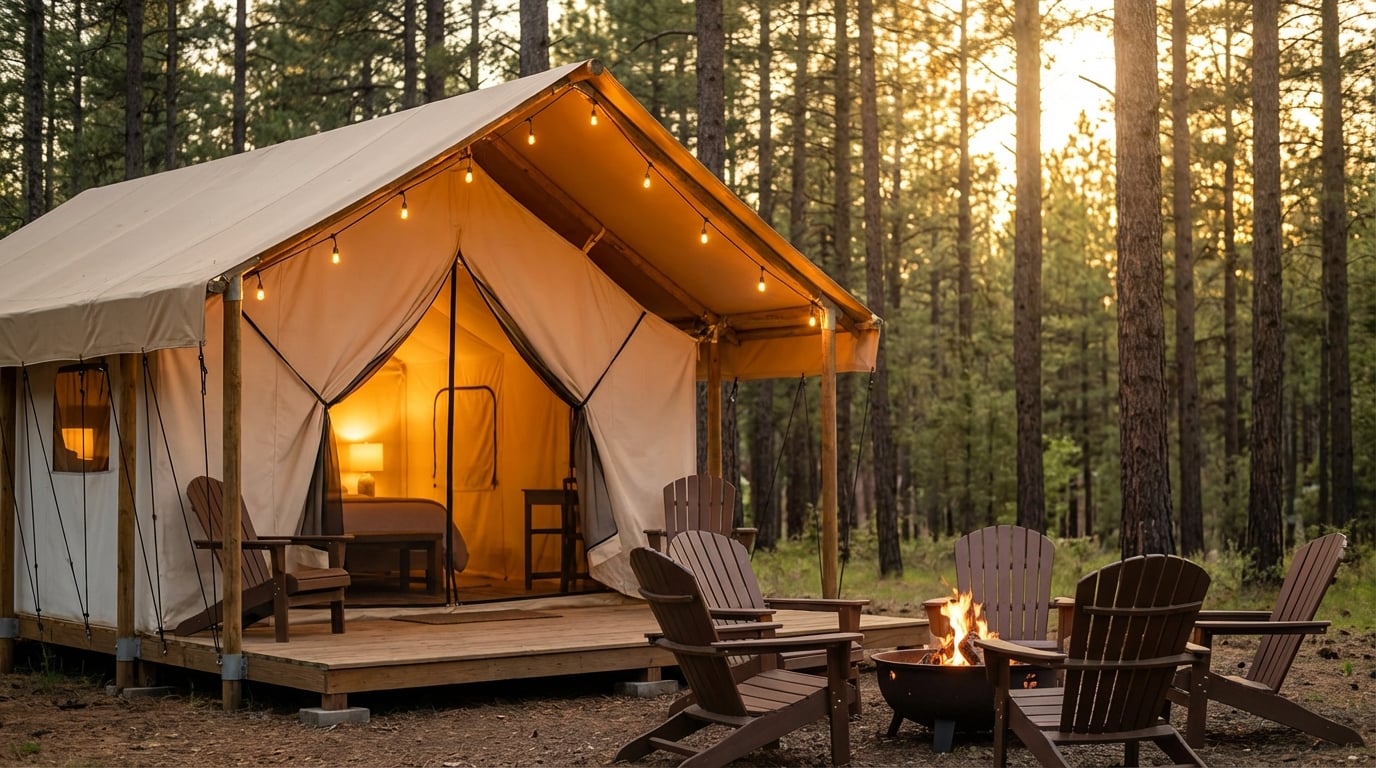

Visit Shreveport-Bossier and the Entrepreneurial Accelerator Program have announced Destination 318’s return, a $100,000 tourism business competition now accepting applications from entrepreneurs across Caddo and Bossier Parishes. The second-year initiative, which specifically targets outdoor recreation and sports among its funding categories, offers campground operators, RV park owners, and glamping resort developers an opportunity to secure capital for projects that enhance the regional visitor economy. Applications remain open until Friday, Feb. 27, 2026, at 4 p.m.
Outdoor hospitality operators should recognize that their business model naturally aligns with the competition’s tourism development goals. RV parks, campgrounds, and glamping resorts generate overnight stays, making them attractive candidates for tourism-focused funding. As general industry guidance, properties that incorporate experiential elements tend to perform well in competitions of this nature, including those offering guided outdoor activities, partnerships with local outfitters, or programming that highlights regional heritage and culture.
The competition seeks proposals that align with the region’s Destination Master Plan, with targeted categories including outdoor recreation and sports, hospitality, arts, culture, and entertainment. As background context for applicants, proposals in tourism competitions typically benefit from demonstrating clear visitor demand and economic impact potential while addressing identified gaps in the local visitor economy. Operators considering an application should document their current visitor demographics and spending patterns beforehand, as this baseline data strengthens projected economic impact claims and helps articulate how expansion plans serve the broader tourism mission.
Participants must attend three mandatory educational workshops hosted by the EAP, covering marketing strategies, sustainable business modeling, and scaling for long-term success. Rather than viewing these requirements as obstacles, outdoor hospitality entrepreneurs should recognize them as professional development opportunities. Marketing strategies for tourism businesses typically emphasize digital presence, review management, and partnerships with destination marketing organizations, while sustainable business modeling helps operators project realistic occupancy rates and understand break-even points across seasonal fluctuations.
Many operators entering tourism competitions lack formal business training, making the educational component beneficial regardless of whether they ultimately win funding. Long-term viability in outdoor hospitality increasingly depends on understanding emerging trends, topics that structured business workshops often address.
Winners will receive a share of the $100,000 prize funding along with professional support services designed to ensure long-term viability. Partner organizations providing these services include Bonvenu Bank, Bradley Murchison Kelly & Shea, and Carr, Riggs & Ingram CPAs and Advisors, offering legal and accounting assistance to successful applicants. This combination of capital and expertise addresses two needs that emerging outdoor hospitality businesses frequently encounter.
Legal assistance proves particularly important for glamping and experiential hospitality ventures, which often involve guest waivers, employment considerations for seasonal staff, and contract negotiations with activity partners or vendors. Campground and RV park operators navigate complex requirements including zoning, environmental permits, health department regulations, and specialized liability concerns that benefit from expert guidance. Having access to professional legal counsel can help operators avoid costly mistakes during critical growth phases.
Accounting expertise helps outdoor hospitality businesses manage seasonal cash flow, develop appropriate depreciation schedules for infrastructure like hookups and bath houses, and properly categorize improvement expenses versus routine maintenance. These financial considerations differ significantly from traditional hospitality operations, making specialized guidance essential for sustainable growth. The professional support package transforms Destination 318 from a simple grant competition into a comprehensive business development program.
The program emphasizes creating new visitor experiences, driving economic impact, and building a stronger sense of place for residents and tourists. The initiative, which launched in 2025, aims to turn local concepts into authentic tourism experiences that showcase the unique identity of the Shreveport-Bossier area while fulfilling unmet needs in the visitor economy.
Outdoor hospitality operators preparing applications should consider projects that address common visitor experience enhancements. Examples include developing trail connectivity between properties and regional attractions, creating unique glamping accommodations reflecting local culture and geography, or installing amenities that extend seasonal visitation periods. The key is demonstrating how a proposed project fills an identified gap while creating authentic experiences that draw visitors to the region.
As general industry guidance, eco-friendly infrastructure investments also appeal to environmentally conscious travelers. Operators who can articulate sustainability benefits alongside economic impact may find their proposals particularly competitive. Whether proposing solar installations, water conservation systems, or habitat restoration projects, connecting environmental improvements to visitor appeal strengthens any application.
The competition invites both entrepreneurs and existing businesses to submit proposals aimed at enhancing the local visitor experience. For campground, RV park, and glamping operators in the Shreveport-Bossier region, Destination 318 represents an opportunity to fund expansion projects while gaining professional business development support that addresses the unique challenges of the outdoor hospitality sector. With the Feb. 27, 2026, deadline approaching, interested operators should begin documenting their visitor data and refining their project proposals to demonstrate clear alignment with regional tourism goals.
