


Maryland will launch its new AgriTrails initiative on Feb. 1, 2026, creating a program that connects the state’s agricultural and aquaculture businesses with outdoor recreation opportunities across public lands and state parks. The Maryland Department of Agriculture and the Maryland Department of Natural Resources developed the program after receiving a $100,000 grant from the National Park Service Chesapeake Gateways, with the collaborative effort designed to guide residents and visitors through adventures highlighting “Maryland Grown Food and Fun” while boosting economic vitality in Chesapeake Bay Gateway communities.
This state-level investment in agritourism infrastructure represents a model for campground and RV park operators throughout the mid-Atlantic region, demonstrating how public programs can drive tourism traffic to areas where outdoor hospitality businesses already operate. Properties positioned near designated trail stops stand to capture overnight visitors seeking convenient base camps as they explore the seasonal offerings, while the program’s structure offers a replicable framework for operators anywhere looking to build their own local partnerships.
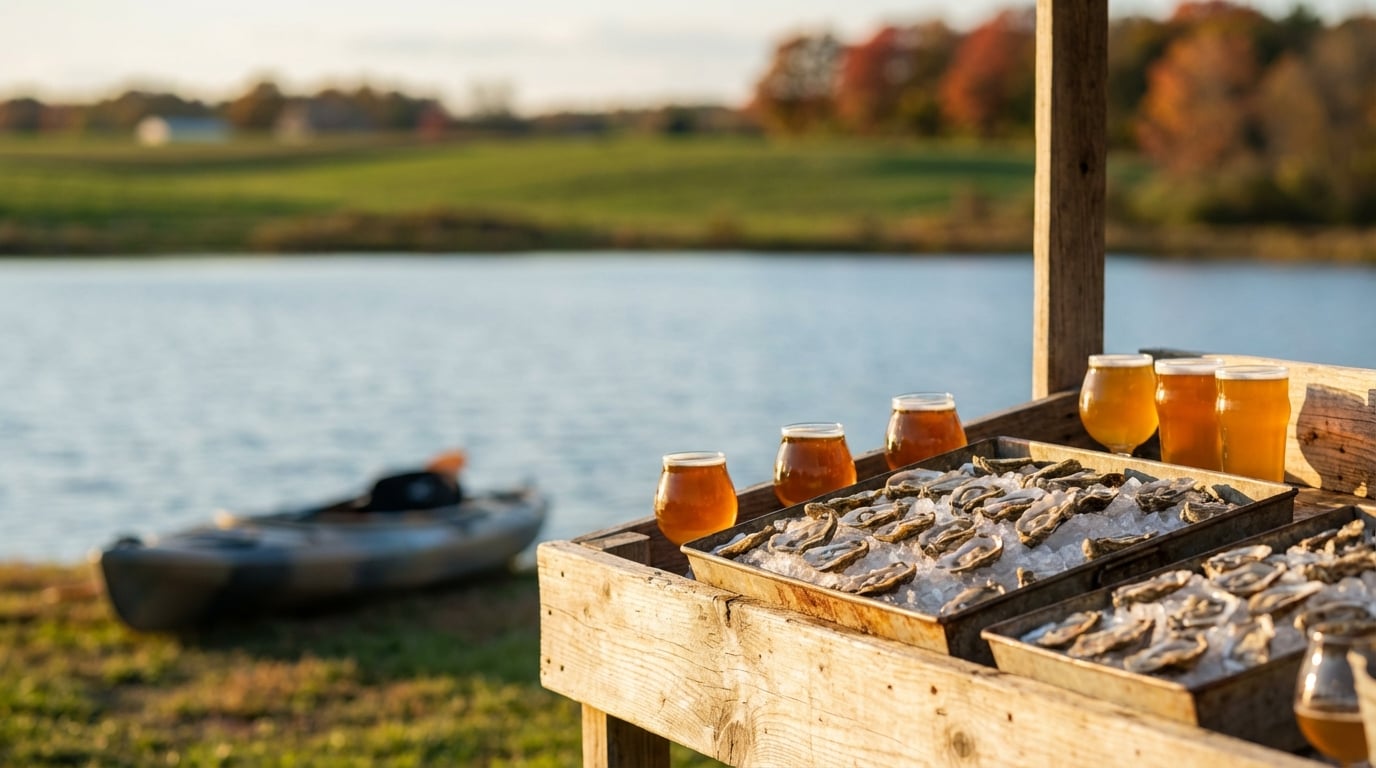
The 2026 calendar year will feature three distinct AgriTrails, each timed to coincide with specific seasons and local harvests. The first trail, titled “Sip & Shuck,” runs from February through March and pairs local breweries, distilleries and restaurants featuring Maryland oysters and ingredients with nearby outdoor recreational activities. The “Maryland’s Best Ice Cream Trail” follows from Memorial Day through Labor Day, while the “Bikes & Brews” trail rounds out the fall season from September through November.
This seasonal structure illustrates an approach that outdoor hospitality operators can replicate in their own markets. Aligning campground programming with local harvest calendars and agricultural festivals helps capture tourism traffic during shoulder seasons when occupancy might otherwise lag. Properties that coordinate special events around regional food traditions connect guests to the agricultural rhythm of the area, creating memorable experiences that encourage extended stays and return visits.
“Through the National Park Service Chesapeake Gateways grant, we have the opportunity to showcase Maryland’s agricultural resources, while also highlighting Maryland’s outdoor recreation. Sip & Shuck is an example of a marketing campaign that shines a light on Maryland’s rich agricultural products,” said Kevin Atticks, Maryland Department of Agriculture Secretary.
The initiative draws upon Maryland’s substantial agricultural and natural resource base. According to state officials, more than half of the Chesapeake Bay lies within Maryland’s borders, supporting numerous working waterfronts and communities dependent on Bay resources. The state is home to more than 280 dairy farms, 475 commercial shellfish operations, 800 licensed oyster harvesters and 500,000 acres of public land available for recreation.
These statistics highlight partnership potential for campground and RV park operators in the Chesapeake region. Creating reciprocal marketing agreements with local agricultural businesses costs little to implement but can meaningfully drive occupancy. Campgrounds that display brochures and offer discount vouchers for partner farms while those agricultural venues recommend overnight accommodations create a mutual referral system benefiting both parties. Properties that bundle overnight stays with farm experiences or tasting tours create value propositions attracting guests who seek immersive regional experiences rather than simple transient stops.
“In Maryland, oysters aren’t just food, they’re part of our culture, our economy, and our environment. Maryland’s outdoor experiences are just as distinctive as our local flavors. Sip & Shuck brings that story to life by pairing Maryland-grown food with outdoor adventures, helping people experience how the Chesapeake Bay, local farms, and our state’s beautiful recreation spaces are all connected,” said Sandi Olek, Director of the Maryland Department of Natural Resources’ Office of Outdoor Recreation.
The AgriTrails program utilizes the Bandwango digital passport platform, accessible at marylandsbest.net/agritrails. Participants can learn about specific stops along each trail, check in at designated locations and compete for prizes, according to the state’s announcement. The digital integration promotes Bay-friendly consumer practices while fostering deeper understanding of Maryland’s natural, cultural and agricultural heritage.
This adoption of digital passport technology reflects a broader industry trend. Many campgrounds and RV parks now implement their own digital check-in systems that reward guests for visiting on-site amenities or exploring nearby attractions. Adding gamification elements such as badges, points, leaderboards and prize competitions tends to increase guest participation and encourages longer stays. Properties near AgriTrails stops can promote the digital passport program to guests while exploring complementary digital engagement at their own properties, perhaps creating property-specific trails highlighting amenities or nearby attractions not included in the state program.
The initiative aims to increase awareness, appreciation and economic vitality across Chesapeake Bay Gateway communities while supporting local agribusinesses. Program goals include encouraging Bay-friendly consumer practices, fostering greater understanding of Maryland’s natural, cultural and agricultural heritage, and connecting residents and visitors with local farms and producers. The state plays a vital role in protecting its natural resources while supporting local agriculture and expanding equitable access to nature.
The National Park Service Chesapeake Gateways program, which funded this initiative, was established by Congress in 1998 as a partnership network and community assistance program coordinated by the National Park Service. Headquartered in Annapolis, the program serves the full 41 million-acre Chesapeake Bay watershed. Grants advance the Chesapeake Bay Initiative Act of 1998 to enhance stewardship, heritage and outdoor tourism economies throughout the region.
For outdoor hospitality operators beyond Maryland, this initiative serves as a replicable model. Properties not directly on trail routes can use the AgriTrails framework as a template for developing their own localized agritourism partnerships, approaching nearby farms and producers with collaborative proposals that mirror the state program structure. Maintaining an updated database of local agricultural partners and their seasonal offerings allows staff to make informed recommendations, positioning any property as a knowledgeable local resource regardless of whether a state-sponsored program exists in their market.
As Maryland’s AgriTrails initiative demonstrates, states are increasingly investing in programs connecting food tourism with outdoor recreation. Private campgrounds, RV parks and glamping properties positioned near these trail networks stand to benefit from consumer interest in authentic, place-based experiences. Operators who build their own partnership infrastructure can capture similar benefits even without state-level support, creating the kind of integrated food-and-outdoor experiences that today’s guests actively seek.
